





The Ministry of Environment has yet to establish a mechanism to collect fees amounting to several million rupees from supermarkets and other institutions following the ban on the free distribution of lightweight polythene shopping bags to customers.
The initiative was introduced as part of efforts to reduce environmental pollution, with a portion of the money collected from customers, ranging from Rs. 3 to Rs. 5 per bag, expected to be channelled to the Environmental Authority Fund.
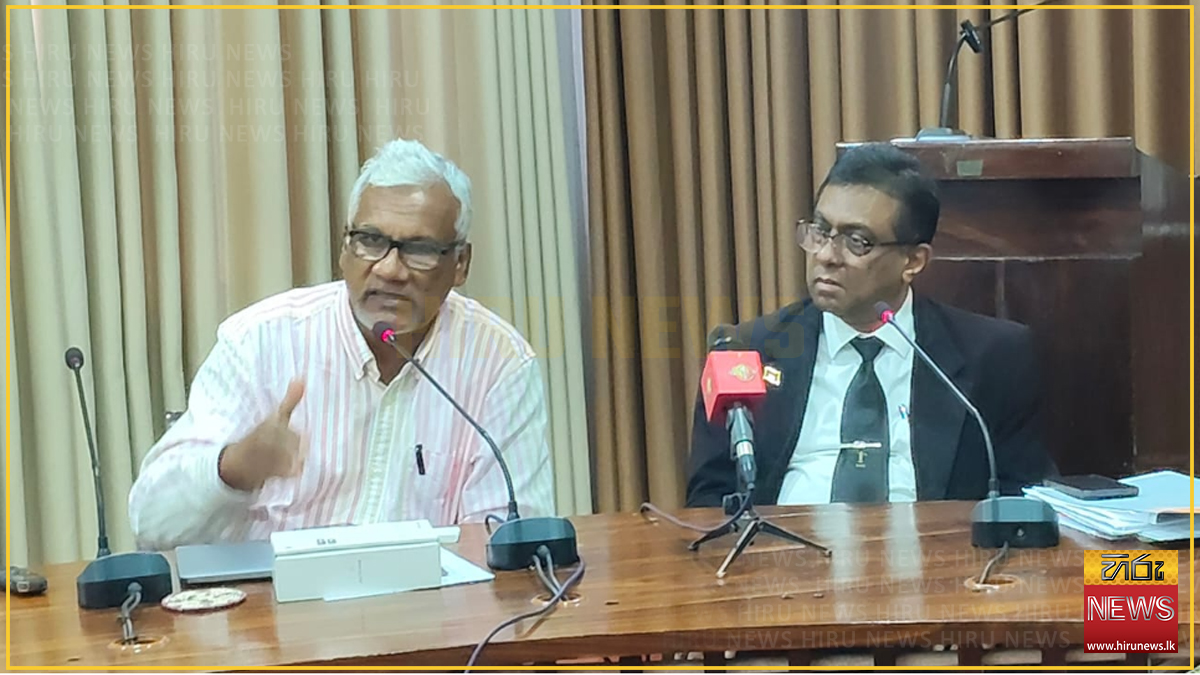
This was disclosed by Chairman of the Centre for Environmental Justice, Hemantha Withanage.
He said that due to this delay, supermarkets are saving over Rs. 50 million per month. “It has also become an income generator for them,” he said.
“This is because they now get paid by customers for polythene bags that were previously issued free of charge.”
He said the implementation of the government’s ban and the Central Environmental Authority’s regulations on the free distribution of polythene bags was a timely move and had somewhat reduced the issue of polythene waste.
However, he noted that while customers in many countries, including developed nations and even some African countries, have adopted the practice of carrying their own bags when shopping at supermarkets, this culture is yet to be embraced by Sri Lankans.
“But we see it coming,” he said.
“Sri Lankans should try to change their lifestyles and carry a bag when they go shopping. Then this will not be an issue.”
Meanwhile, Senior Attorney-at-Law Dr. R. Ravindranath Dabare said that a Parliamentary Act had established an Environmental Fund that could be used for emergency assistance.
“Part of the revenue from polythene bag sales should also go towards this fund. But for almost a year, this has not happened. This is pure negligence,” he said.
He said that if the fund had been active and levies were collected regularly from supermarkets and other institutions required to contribute to it, more than Rs. 100 million could have been collected.
“Part of this money could have gone towards cleaning the environmental damage caused by Cyclone Ditwah,” he added.
“These lapses show the inefficiency of government officials in addressing this issue,” he said.
More than 130 countries have fully or partially banned polythene and single-use plastic bags in an effort to combat global pollution.
Kenya introduced one of the world’s strictest bans in 2017, making the manufacture, import or use of polythene carrier bags illegal. Both Kenya and Rwanda impose severe penalties, including prison terms of up to four years or heavy fines.
(Shirajiv S.)
Latest News
Sampath Bank brings Google Pay to Sri Lankan card users

Monaco bombing suspect found dead in Kyiv

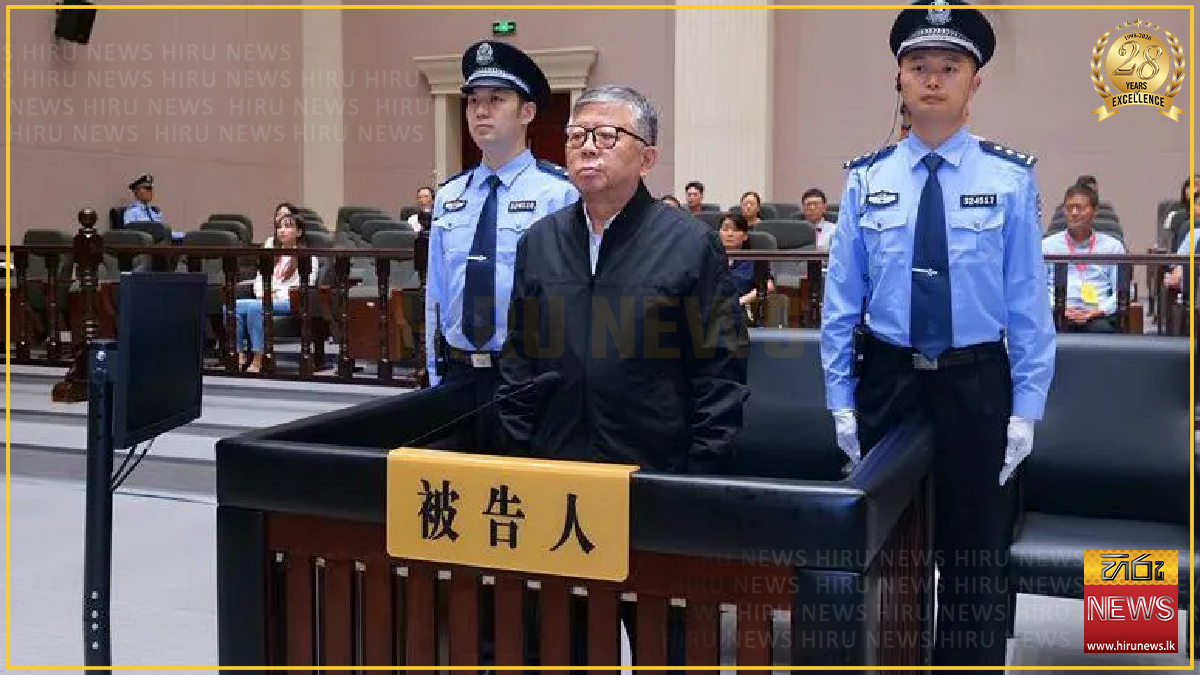
Chinese official sentenced to death in record bribery case
Fuel limitations no more for ministers and public officials

Blasts rock Damascus during Macron visit

Court orders postmortem for 27 victims of Negombo Prison clash

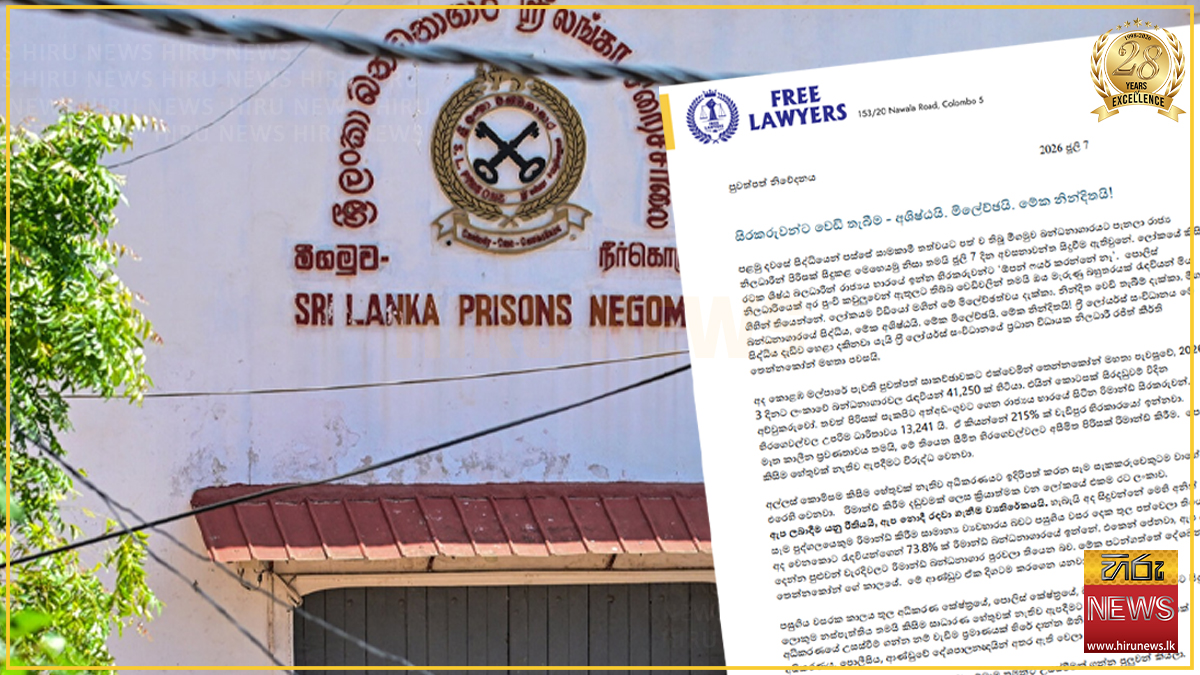
Free Lawyers condemn shooting of inmates at Negombo prison
Krrish deal case called for November 16

6 suspects linked to narcotics trade arrested

Environment Ministry yet to establish mechanism to collect polythene bag levies