Share Post


False claims circulating in affected areas include allegations that Ebola doesn't exist, that health workers are deliberately infecting people or harvesting their organs, and that the Ebola response is a money-making scheme.
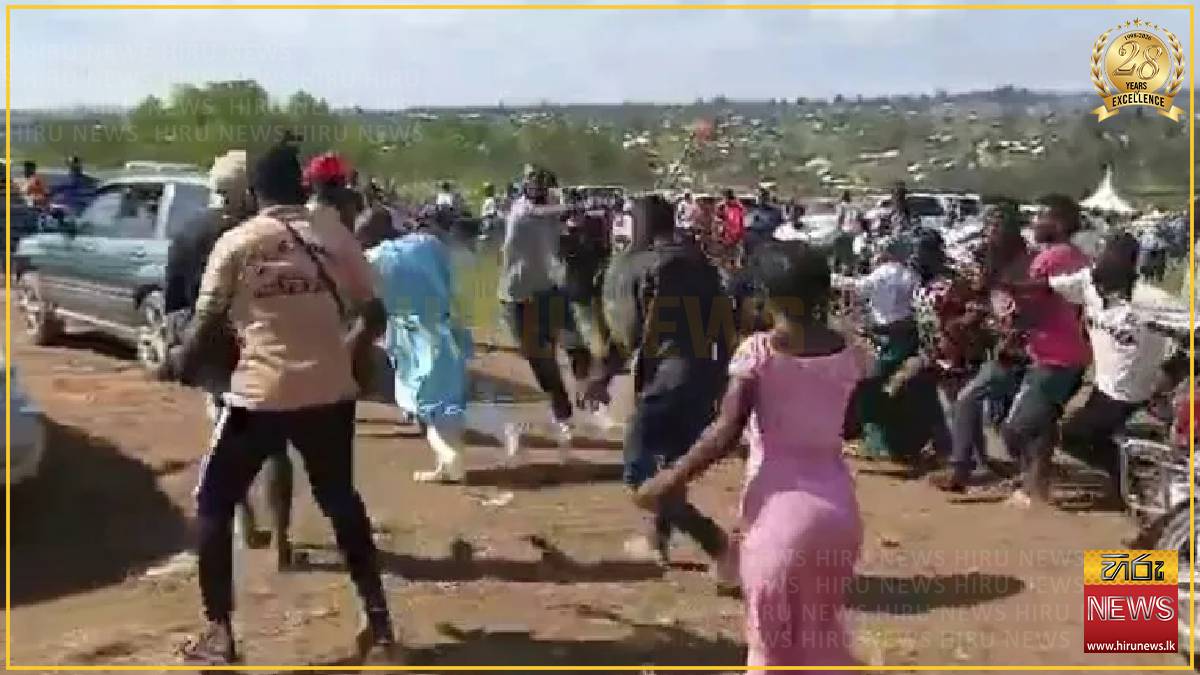
BBC Verify identified 12 cases of community resistance to Ebola control measures, seven of which we have been able to verify using social media footage. These include attacks on treatment facilities, assaults on health workers, and repeated attempts to interfere with safe burial procedures for people who died from the disease. The true number is likely to be higher as incidents may happen in remote areas and go unreported.
Most recently, on 1 July, people set fire to an Ebola treatment centre in Bafwabango, Ituri province, the epicentre of the outbreak. Local media reported that a police officer was killed following clashes over the body of a person suspected to have died from the virus.
Ebola spreads through direct contact with infected bodily fluids and victims' bodies can remain highly infectious after death. Health workers had wanted to bury the victim safely - though this measure has repeatedly faced resistance during the outbreak amid baseless claims that Ebola is not real.
The current outbreak is linked to the Bundibugyo species. While there is still no approved vaccine or treatment for this species, the World Health Organisation (WHO) says a trial has begun of two potential treatments - though experts caution that it could take months to complete.
Response teams from aid organisations and the Congolese authorities have been carrying out safe burials, preventing practices such as washing or touching bodies that can spread infection. Funeral rites involving contact with the deceased have played a major role in the spread of Ebola during previous outbreaks, making safe burials a key way of limiting further spread of the disease.
But health officials say misinformation is undermining those efforts.
Ebola responders in Ituri told the BBC that misconceptions about the virus and fears about what happens in treatment centres have discouraged some patients from seeking care promptly, often leaving them with little chance of recovery by the time they arrive for medical help.
-BBC
BBC Verify identified 12 cases of community resistance to Ebola control measures, seven of which we have been able to verify using social media footage. These include attacks on treatment facilities, assaults on health workers, and repeated attempts to interfere with safe burial procedures for people who died from the disease. The true number is likely to be higher as incidents may happen in remote areas and go unreported.
Most recently, on 1 July, people set fire to an Ebola treatment centre in Bafwabango, Ituri province, the epicentre of the outbreak. Local media reported that a police officer was killed following clashes over the body of a person suspected to have died from the virus.
Ebola spreads through direct contact with infected bodily fluids and victims' bodies can remain highly infectious after death. Health workers had wanted to bury the victim safely - though this measure has repeatedly faced resistance during the outbreak amid baseless claims that Ebola is not real.
The current outbreak is linked to the Bundibugyo species. While there is still no approved vaccine or treatment for this species, the World Health Organisation (WHO) says a trial has begun of two potential treatments - though experts caution that it could take months to complete.
Response teams from aid organisations and the Congolese authorities have been carrying out safe burials, preventing practices such as washing or touching bodies that can spread infection. Funeral rites involving contact with the deceased have played a major role in the spread of Ebola during previous outbreaks, making safe burials a key way of limiting further spread of the disease.
But health officials say misinformation is undermining those efforts.
Ebola responders in Ituri told the BBC that misconceptions about the virus and fears about what happens in treatment centres have discouraged some patients from seeking care promptly, often leaving them with little chance of recovery by the time they arrive for medical help.
-BBC
Latest News
Australia agrees to export uranium to India
Local
09 July 2026
Ebola rumours fuel attacks on health workers
Local
09 July 2026
Johor youth feel left behind by politicians
Local
09 July 2026
Singer Bonnie Tyler dies aged 75
Local
09 July 2026

Local gold prices decline further
Local
09 July 2026

Germany to add US Tomahawk missiles to arsenal
Local
09 July 2026

New Zealand considers joining Australia-Fiji defence alliance
Local
09 July 2026
Iran targets Gulf military facilities after US strikes
Local
09 July 2026
US military says it hit 170 targets in two nights
Local
09 July 2026
Fire erupts at Greek business facility, leaves two injured
Local
09 July 2026