



Share Post


Albanian emergency services battled a wildfire in the southern region of Mallakaster, while Hungarians cut power consumption as a heatwave and drought continued to grip large parts of southern and eastern Europe.
Europe, the world's fastest warming continent, has been ravaged by record-breaking heat and destructive wildfires this summer, with France and Spain particularly hard hit.
The focus of the heatwave has shifted, with Italy placing most of its major cities under a red heat alert as temperatures climbed to around 40 degrees Celsius (104 degrees Fahrenheit) in some areas.
The heat prompted the Vatican to move Pope Leo's first weekly general audience after the July break indoors rather than hold it in St Peter's Square. Visitors to Rome welcomed the decision as they sought relief from the sweltering conditions.
"I suppose it's better to hold it indoors because of the heat," a tourist from Mexico, Diego Amaya, said.
RECORD LOW ON THE DANUBE
Hungarian companies and households cut power consumption this week after a government appeal to ease pressure on the grid amid the severe drought. The capital Budapest is braced for the peak of the heatwave on Wednesday and Thursday, with temperatures of 40 C to 42 C (104 F to 108 F) expected.
Record-low water levels on the Danube have forced Hungary to largely shut down its sole nuclear plant, which uses the river's waters for cooling, creating an energy crisis that has stretched power supply capacity to its limits.
In Albania's Mallakaster, wildfires forced the evacuation of about 15 families along with their livestock and pets, while ground and aerial crews fought to stop the flames reaching homes near a village.
Efforts continued to tame another wildfire, likely caused by lightning, in rocky mountainous terrain south of the Albanian city of Gjirokaster.
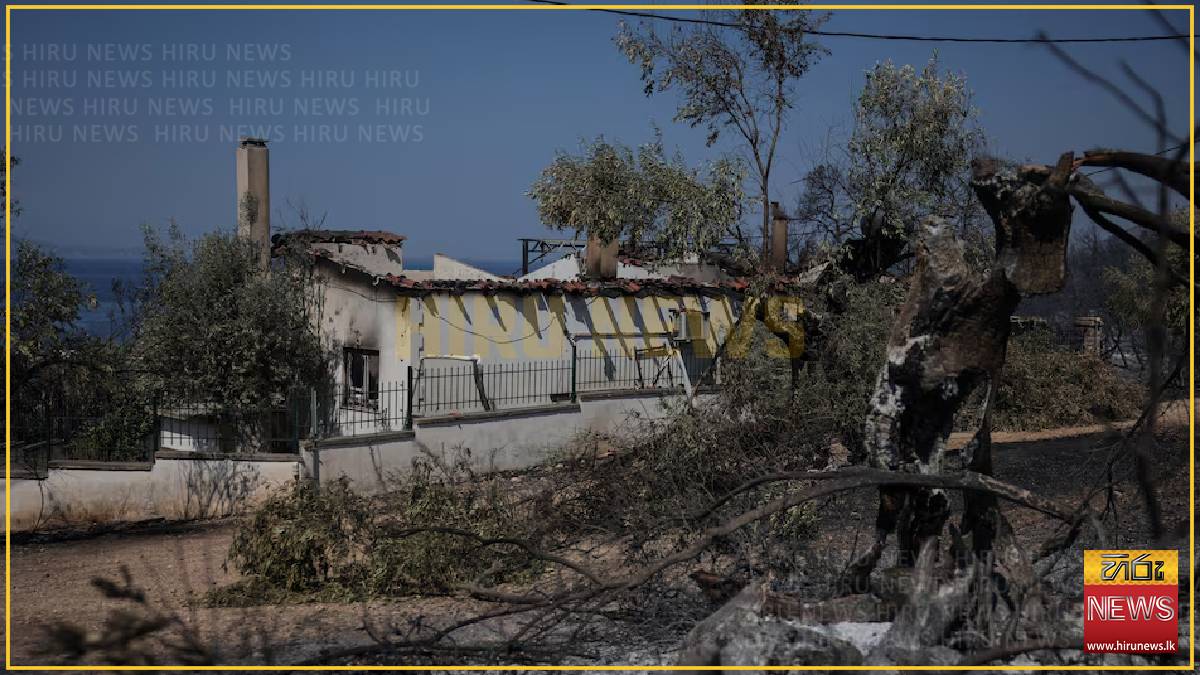
In neighbouring Greece, a wildfire possibly caused by vibrating electricity conductors and fanned by gale-force winds has burned thousands of hectares of farmland near a popular holiday destination northwest of Athens.
The blaze appeared largely contained on Wednesday, but hundreds of firefighters remained in the area to prevent flare-ups as six helicopters doused scattered smoking spots.
The hot, dry summer is taking a heavy toll on agriculture.
Britain's cereal harvest is on track to be the worst since comparable records began in 1984, according to an analysis published on Wednesday, as crops wither after one of the driest and hottest spring-summer periods on record.
-Reuters
Europe, the world's fastest warming continent, has been ravaged by record-breaking heat and destructive wildfires this summer, with France and Spain particularly hard hit.
The focus of the heatwave has shifted, with Italy placing most of its major cities under a red heat alert as temperatures climbed to around 40 degrees Celsius (104 degrees Fahrenheit) in some areas.
The heat prompted the Vatican to move Pope Leo's first weekly general audience after the July break indoors rather than hold it in St Peter's Square. Visitors to Rome welcomed the decision as they sought relief from the sweltering conditions.
"I suppose it's better to hold it indoors because of the heat," a tourist from Mexico, Diego Amaya, said.
RECORD LOW ON THE DANUBE
Hungarian companies and households cut power consumption this week after a government appeal to ease pressure on the grid amid the severe drought. The capital Budapest is braced for the peak of the heatwave on Wednesday and Thursday, with temperatures of 40 C to 42 C (104 F to 108 F) expected.
Record-low water levels on the Danube have forced Hungary to largely shut down its sole nuclear plant, which uses the river's waters for cooling, creating an energy crisis that has stretched power supply capacity to its limits.
In Albania's Mallakaster, wildfires forced the evacuation of about 15 families along with their livestock and pets, while ground and aerial crews fought to stop the flames reaching homes near a village.
Efforts continued to tame another wildfire, likely caused by lightning, in rocky mountainous terrain south of the Albanian city of Gjirokaster.
In neighbouring Greece, a wildfire possibly caused by vibrating electricity conductors and fanned by gale-force winds has burned thousands of hectares of farmland near a popular holiday destination northwest of Athens.
The blaze appeared largely contained on Wednesday, but hundreds of firefighters remained in the area to prevent flare-ups as six helicopters doused scattered smoking spots.
The hot, dry summer is taking a heavy toll on agriculture.
Britain's cereal harvest is on track to be the worst since comparable records began in 1984, according to an analysis published on Wednesday, as crops wither after one of the driest and hottest spring-summer periods on record.
-Reuters
Latest News
Iraq faces crisis as Shia armed groups defy disarmament
Local
05 August 2026

Ceuta seeks transfer of unaccompanied migrant minors to mainland Spain
Local
05 August 2026

Albania battles blazes, Hungary cuts power as Europe feels the heat
Local
05 August 2026
UN rights chief says Iran executed at least 56 people since March
Local
05 August 2026

Sheikh Hasina set for first public appearance since exile
Local
05 August 2026

Salah given hero's welcome before Trabzonspor move
Local
05 August 2026

North Korea's Kim Yo Jong warns Japan over missile tests
Local
05 August 2026

Fairly heavy rains in several areas tomorrow
Local
05 August 2026
New governor of Central Province takes oath before President
Local
05 August 2026

Rajeev Amarasuriya vehemently rejects allegations
Local
05 August 2026