




Share Post


Achieving an ambitious $36 billion export goal by 2030 requires unwavering policy consistency, enhanced global market access, supply chain reforms, and a strategic pivot toward premium, value-added products over high-volume competition, top exporters warn.
Quality and value over volume
Sri Lanka must anchor its export future on quality, sustainability, and innovation instead of trying to replicate massive manufacturing hubs like Vietnam and India, according to industry leaders speaking at the National Export Development Plan (NEDP) 2026–2030 launch. The country holds the necessary elements to meet these goals but must play to its distinct strengths by prioritizing value over volume.
Products like Ceylon Tea, Ceylon Cinnamon, and Ceylon Cashew depend heavily on premium positioning, branding, and quality differentiation rather than price wars. For instance, Sri Lanka cannot match cassia prices in the US market, but authentic Ceylon Cinnamon can command a premium if it is effectively marketed and protected. Securing this premium status demands heavy investment in domestic testing facilities and certification infrastructure to eliminate the high costs exporters face when sending samples abroad.
Regulatory hurdles and supply chains
Tightening European regulations present a growing challenge. Exporters must urgently upgrade traceability, sustainability, and responsible sourcing systems to retain access to premium markets, particularly within agriculture where climate resilience is now a prerequisite.
Direct comparisons to regional giants remain flawed because of the smaller scale of the domestic economy, though expanding beyond traditional export sectors is essential for long-term growth. While investor confidence remains intact—evidenced by significant post-crisis manufacturing investments from India—fragile domestic supply chains pose a serious threat. A clear example is the decline in local rubber production, which forces manufacturers to rely heavily on imported raw materials and demands coordinated policy intervention.
Structural reforms and market access
Exporters, especially small and medium enterprises, still battle excessive red tape and fragmented institutional support. The export process must be streamlined to stop entrepreneurs from having to navigate multiple bureaucratic hurdles. Furthermore, links between universities, research facilities, and commercial industries require major strengthening to better commercialize local research capabilities.
Sri Lanka also faces a distinct disadvantage due to a limited network of free trade agreements compared to nations like Vietnam. Expanding preferential market access is vital to driving true export diversification. Ultimately, success should be measured by the total transformation of the economy and its ability to turn rising global sustainability standards into a distinct competitive advantage through geographical indications and strict quality control.
Quality and value over volume
Sri Lanka must anchor its export future on quality, sustainability, and innovation instead of trying to replicate massive manufacturing hubs like Vietnam and India, according to industry leaders speaking at the National Export Development Plan (NEDP) 2026–2030 launch. The country holds the necessary elements to meet these goals but must play to its distinct strengths by prioritizing value over volume.
Products like Ceylon Tea, Ceylon Cinnamon, and Ceylon Cashew depend heavily on premium positioning, branding, and quality differentiation rather than price wars. For instance, Sri Lanka cannot match cassia prices in the US market, but authentic Ceylon Cinnamon can command a premium if it is effectively marketed and protected. Securing this premium status demands heavy investment in domestic testing facilities and certification infrastructure to eliminate the high costs exporters face when sending samples abroad.
Regulatory hurdles and supply chains
Tightening European regulations present a growing challenge. Exporters must urgently upgrade traceability, sustainability, and responsible sourcing systems to retain access to premium markets, particularly within agriculture where climate resilience is now a prerequisite.
Direct comparisons to regional giants remain flawed because of the smaller scale of the domestic economy, though expanding beyond traditional export sectors is essential for long-term growth. While investor confidence remains intact—evidenced by significant post-crisis manufacturing investments from India—fragile domestic supply chains pose a serious threat. A clear example is the decline in local rubber production, which forces manufacturers to rely heavily on imported raw materials and demands coordinated policy intervention.
Structural reforms and market access
Exporters, especially small and medium enterprises, still battle excessive red tape and fragmented institutional support. The export process must be streamlined to stop entrepreneurs from having to navigate multiple bureaucratic hurdles. Furthermore, links between universities, research facilities, and commercial industries require major strengthening to better commercialize local research capabilities.
Sri Lanka also faces a distinct disadvantage due to a limited network of free trade agreements compared to nations like Vietnam. Expanding preferential market access is vital to driving true export diversification. Ultimately, success should be measured by the total transformation of the economy and its ability to turn rising global sustainability standards into a distinct competitive advantage through geographical indications and strict quality control.
Latest News
SANASA Life Insurance to raise Rs. 500 mn via unlisted Tier II debentures
Local
24 June 2026

Muñoz strike sends Colombia into Knockout stage
Local
24 June 2026

Rubio kicks off Middle East trip amid Iran concerns
Local
24 June 2026

Strait of Hormuz crossings nearly triple week-on-week
Local
24 June 2026

Bank of Korea board member raises concerns about house prices
Local
24 June 2026

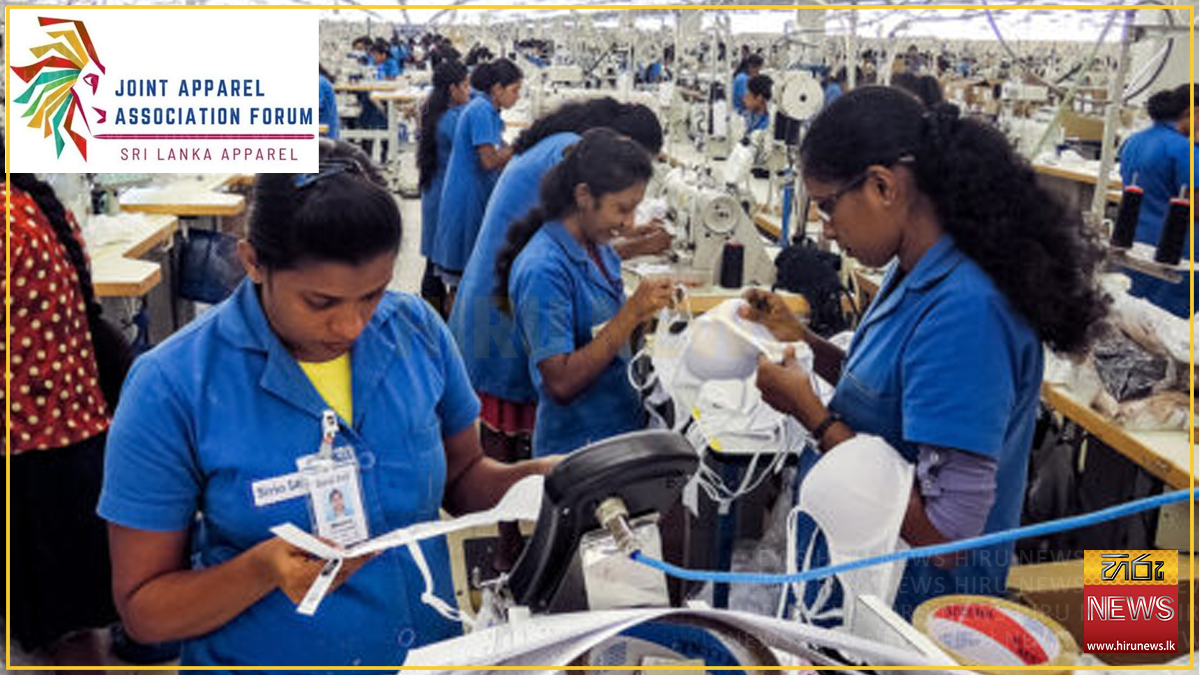
Sri Lanka apparel exports climb nearly 8% in May
Local
24 June 2026
Number of dengue patients reaches 50,000 nationwide
Local
24 June 2026

Exporters demand policy consistency
Local
24 June 2026
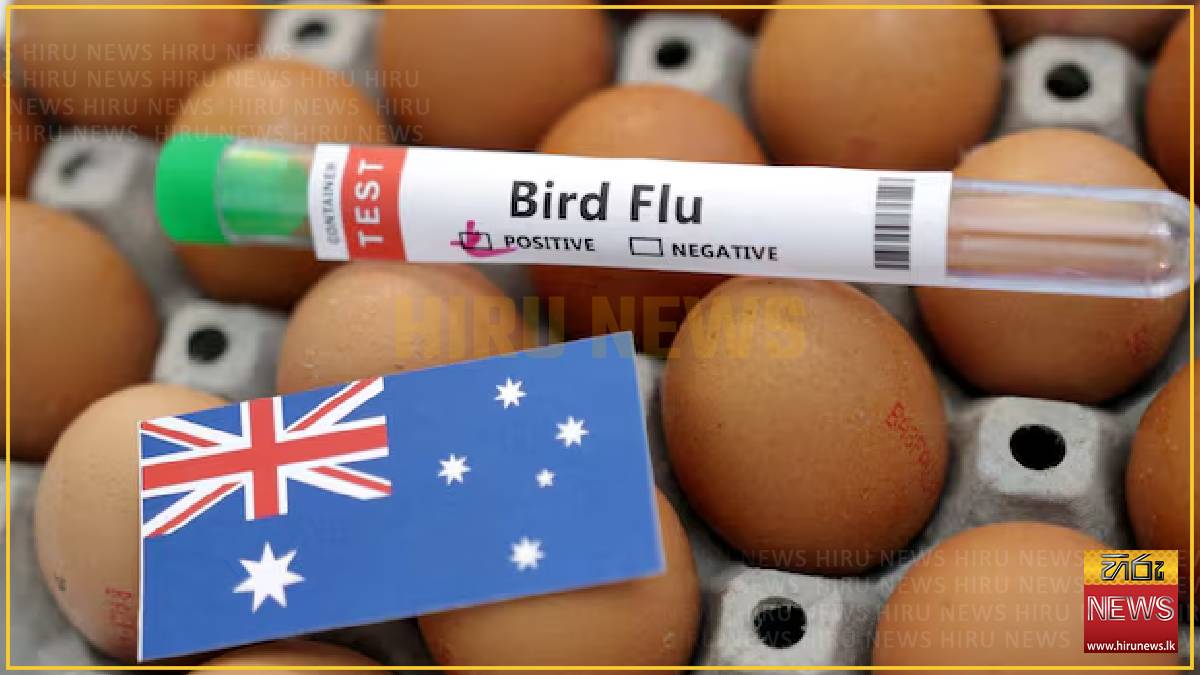
Australia ramps up bird flu testing as PNG blocks poultry imports
Local
24 June 2026
SL assumes CASP AP chairmanship as CAASL hosts 21st regional aviation security meeting
Local
24 June 2026