




The European Union’s Packaging and Packaging Waste Regulation (PPWR) entered into force in February 2025 and generally applies from August 12, 2026, introducing legally binding requirements for all packaging placed on the EU market, including imports from Sri Lanka. The regulation introduces new obligations on recyclability, recycled plastic content, reuse, harmonised labelling, Extended Producer Responsibility (EPR) and traceability, making packaging compliance an essential requirement for businesses seeking continued access to the European market.
These requirements will have significant implications for Sri Lankan exporters, particularly in the tea, spices, seafood, processed food, beverage and FMCG sectors, as well as local packaging manufacturers serving export-oriented industries.
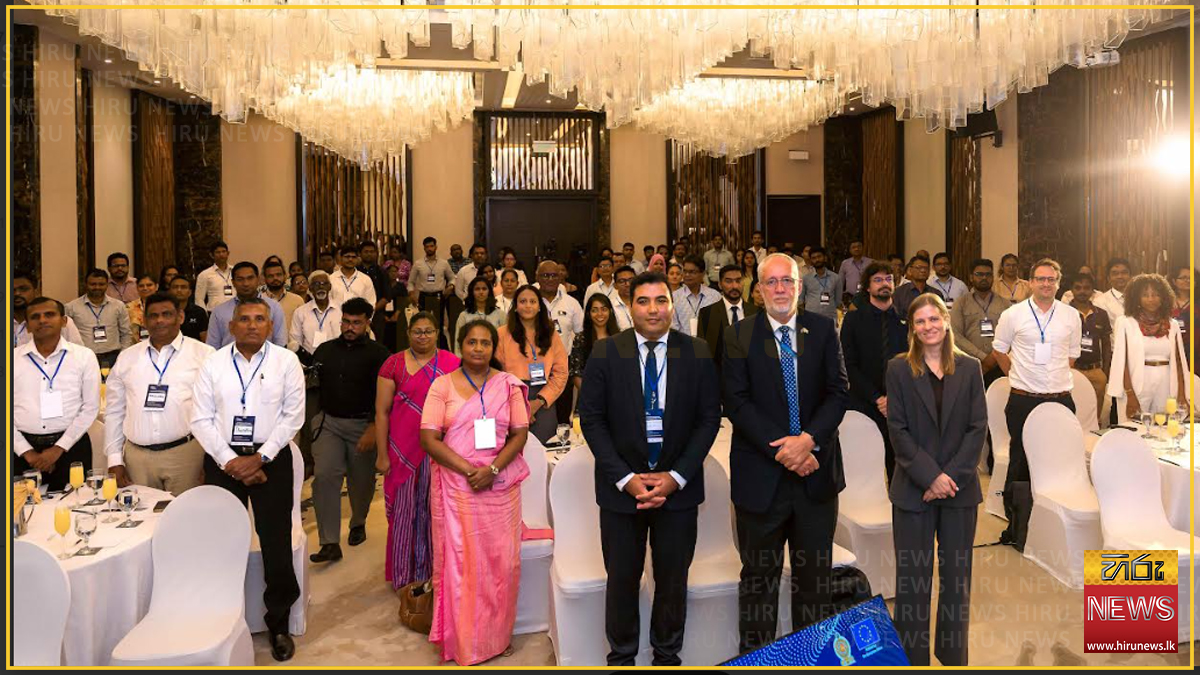
To support Sri Lanka’s food export industry, packaging manufacturers, printing and related service providers, government institutions, industry associations, certification bodies and development partners, a seminar on the EU’s Packaging and Packaging Waste Regulation was organised in Colombo on July 13 and 14, 2026. The two-day event equipped more than 100 representatives of Sri Lankan businesses with practical knowledge and tools to prepare for one of the most significant regulatory changes affecting exports to the European Union.
“As the Packaging and Packaging Waste Regulation begins to apply, early preparation will be essential to help businesses adapt smoothly, preserve access to the EU market and strengthen their position in an increasingly sustainability-driven global economy. The European Union is pleased to support Sri Lanka in building the knowledge, partnerships and practical readiness needed for this transition,” said Dr Johann Hesse, Head of Cooperation, Delegation of the European Union to Sri Lanka.
The seminar was organised with support from the European Union through the CIRCULAR – Circular Economy in the Food Sector Project, jointly implemented by Expertise France, the Food and Agriculture Organization of the United Nations (FAO) and Deutsche Gesellschaft für Internationale Zusammenarbeit (GIZ) GmbH.
Mahmoud Gaballah, Project Manager of the CIRCULAR Project at Expertise France, said, “The transition to sustainable packaging is no longer simply an environmental aspiration; it is becoming a business imperative. Through the CIRCULAR Project, we are promoting knowledge, innovation and resource efficiency to help Sri Lankan industries prepare for the future while building more sustainable and resilient value chains in the food sector.”
Throughout the two-day seminar, international experts translated the PPWR’s complex legal and technical requirements into practical business guidance.
Nishan Perera, President of the Sri Lanka Institute of Packaging, noted, “For Sri Lanka’s export-driven food and packaging sectors, understanding these complex EU regulations is very important. The resource people at this seminar were very informed about the regulations, and their expertise was very helpful for us to build a definitive and comprehensive roadmap.”
The CIRCULAR Project supports Sri Lanka’s transition towards a circular economy by reducing food loss and waste and tackling single-use plastic pollution.
Latest News
MDF, Thema Collection explore way forward for Lanka’s wellness tourism
Surge launches apartment management platform with free lifetime access

Union Bank among Lanka’s Top 20 women-friendly workplaces
Zelenskyy says wartime elections could ‘destroy’ Ukraine
U.S. Ambassador-designate Eric Meyer arrives in SL
HNB FINANCE relocates Nelliady branch

NCE invites exporters to apply for Export Awards 2026
Consumer Affairs Authority seizes thousands of counterfeit SLS water bottles
Colombo Chief Magistrate orders IDH Sudda case recalled for October 5

Sri Lanka backs 7.5 billion rupee loan plan for paddy purchasing