




Share Post


Today marks the 70th anniversary of the Sri Lanka Navy.
Sri Lanka, situated in the middle of the sea lanes of the Indian Ocean, was always a magnet for sea farers. In 1937 the Ceylon Naval Volunteer Force (CNVF) was established. After World War II CNVF was absorbed into the Royal Navy as Ceylon Royal Naval Volunteer Reserve (CRNVR).
After gaining independence from British rule, a nucleus of 100 officers and men were ready to form the Regular Navy. On 9th December 1950 the Navy Act was enacted and the Royal Ceylon Navy was formed.
In 1972, with the introduction of new constitution the Royal Ceylon Navy was renamed as the Sri Lanka Navy.
Sri Lanka, situated in the middle of the sea lanes of the Indian Ocean, was always a magnet for sea farers. In 1937 the Ceylon Naval Volunteer Force (CNVF) was established. After World War II CNVF was absorbed into the Royal Navy as Ceylon Royal Naval Volunteer Reserve (CRNVR).
After gaining independence from British rule, a nucleus of 100 officers and men were ready to form the Regular Navy. On 9th December 1950 the Navy Act was enacted and the Royal Ceylon Navy was formed.
In 1972, with the introduction of new constitution the Royal Ceylon Navy was renamed as the Sri Lanka Navy.
At the beginning of the civil war in the 1980s the navy increased the fleet of patrol boats by introducing the fast attack craft. The weapon systems on these were upgraded with time as the Sea Tigers resorted to using sophisticated suicide craft against naval craft. In addition two locally built Jayasagara class Off Shore Patrol Craft added to the fleet to carry out anti-smuggling operations and coastal surveillance.
During this time the navy took part in its first amphibious operation in its history. The size of the force along with the fleet increased in the years of war. In the early 80’s a land combat force was created which was first limited itself to base defence and as its numbers increased it took part in offensive operations against the LTTE along with the Sri Lanka Army.
An elite naval Special Forces unit called the Special Boat Squadron was created in the late 80’s based on the British Special Boat Service.
In early 1990s the SLN carried out injunction with the Army its first amphibious operation code named Operation Sea Breeze followed by the lager Operation Balavegaya a year later and on the seas it began an aggressive clamp down on LTTE actives including gunrunning. It was during this time in 1992 Admiral W.W.E.Clancy Fernando, the Commander of the Navy was assassinated by a suicide bomb attack by the LTTE.
During the late part of the 1990s the Navy expanded its fleet of patrol boats to counter sea tiger craft and intercept arms shipments destine for the Tigers within Sri Lankan territorial waters.
In 2000 the Navy started to expand its surveillance capability by operating from newly acquired Offshore Patrol Vessels. In the same time conventional warfare capability was increased by the addition of missile boats.
Following the resumptions of hostilities between the government of Sri Lanka and the LTTE since early 2006, the Navy took up an active role in limiting the LTTE's use of the seas. This resulted in several major sea battles during the course of 2006, 2007 and 2009.
Vision
To develop into a naval force capable of countering Brown, Green and Blue water challenges with a formidable force structure to achieve National Security Objectives and safeguard Sri Lanka’s Maritime Interests.
Mission
To maintain, train and equip a combat ready naval force capable of achieving National Security Objectives and safeguard Sri Lanka’s Maritime Interests whilst nurturing a stable environment at sea.
Role & Task
Full range of operations in which a nation’s naval forces may be involved is vast, ranging from high intensity war fighting at one end to humanitarian assistance and disaster relief operations at the other end. This broad continuum of operations can be broken down into distinct roles, each demanding a specific approach to the conduct of operations. Accordingly, the three main roles envisaged for the SLN are; Military, Diplomatic and Constabulary.
During this time the navy took part in its first amphibious operation in its history. The size of the force along with the fleet increased in the years of war. In the early 80’s a land combat force was created which was first limited itself to base defence and as its numbers increased it took part in offensive operations against the LTTE along with the Sri Lanka Army.
An elite naval Special Forces unit called the Special Boat Squadron was created in the late 80’s based on the British Special Boat Service.
In early 1990s the SLN carried out injunction with the Army its first amphibious operation code named Operation Sea Breeze followed by the lager Operation Balavegaya a year later and on the seas it began an aggressive clamp down on LTTE actives including gunrunning. It was during this time in 1992 Admiral W.W.E.Clancy Fernando, the Commander of the Navy was assassinated by a suicide bomb attack by the LTTE.
During the late part of the 1990s the Navy expanded its fleet of patrol boats to counter sea tiger craft and intercept arms shipments destine for the Tigers within Sri Lankan territorial waters.
In 2000 the Navy started to expand its surveillance capability by operating from newly acquired Offshore Patrol Vessels. In the same time conventional warfare capability was increased by the addition of missile boats.
Following the resumptions of hostilities between the government of Sri Lanka and the LTTE since early 2006, the Navy took up an active role in limiting the LTTE's use of the seas. This resulted in several major sea battles during the course of 2006, 2007 and 2009.
Vision
To develop into a naval force capable of countering Brown, Green and Blue water challenges with a formidable force structure to achieve National Security Objectives and safeguard Sri Lanka’s Maritime Interests.
Mission
To maintain, train and equip a combat ready naval force capable of achieving National Security Objectives and safeguard Sri Lanka’s Maritime Interests whilst nurturing a stable environment at sea.
Role & Task
Full range of operations in which a nation’s naval forces may be involved is vast, ranging from high intensity war fighting at one end to humanitarian assistance and disaster relief operations at the other end. This broad continuum of operations can be broken down into distinct roles, each demanding a specific approach to the conduct of operations. Accordingly, the three main roles envisaged for the SLN are; Military, Diplomatic and Constabulary.
Latest News
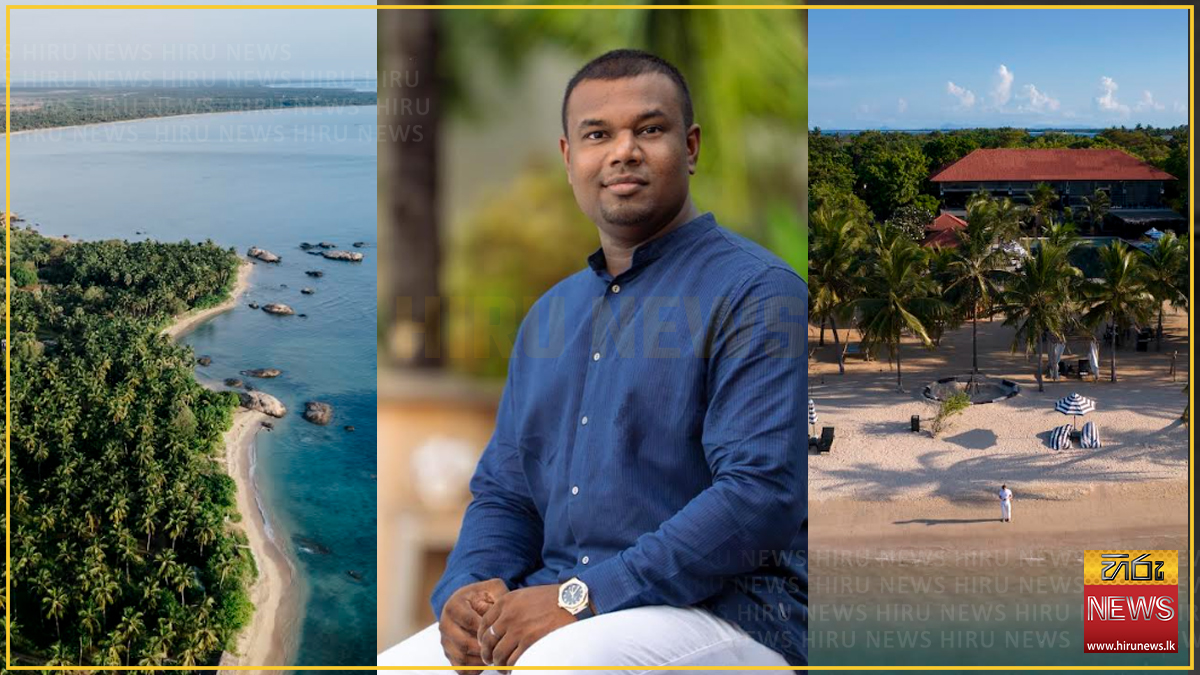
Sun Siyam Pasikudah GM elected President ECHA, eyes regional growth
Local
04 May 2026
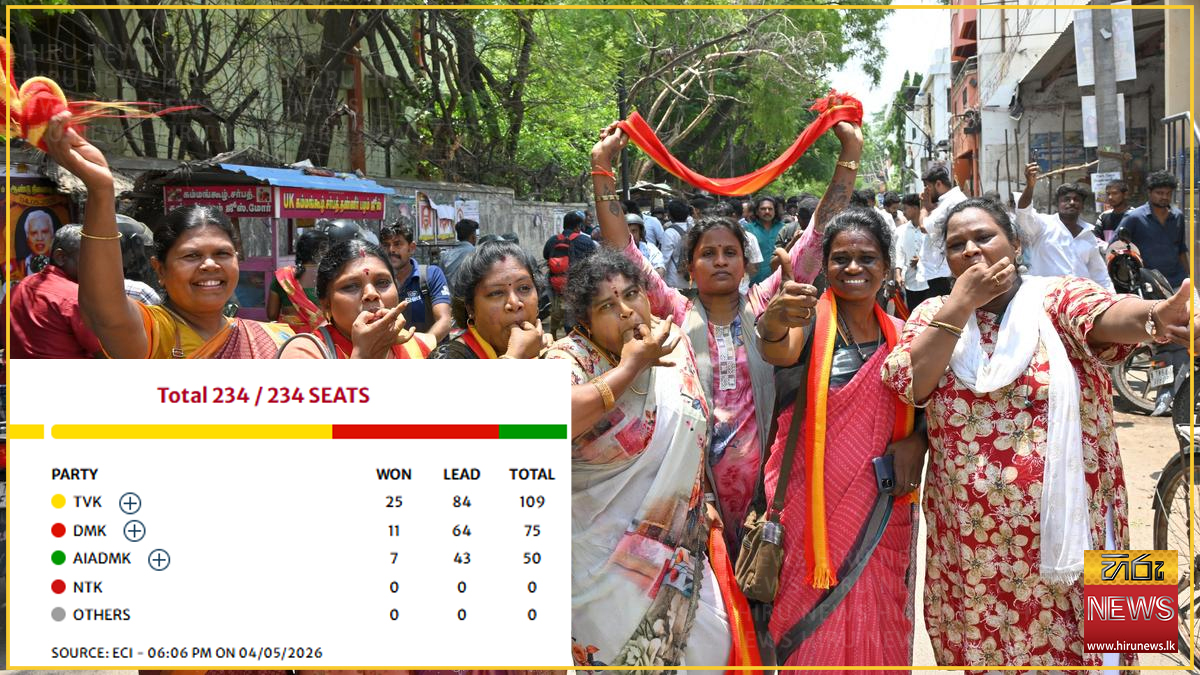
Tamil Nadu election: Stalin faces defeat
Local
04 May 2026
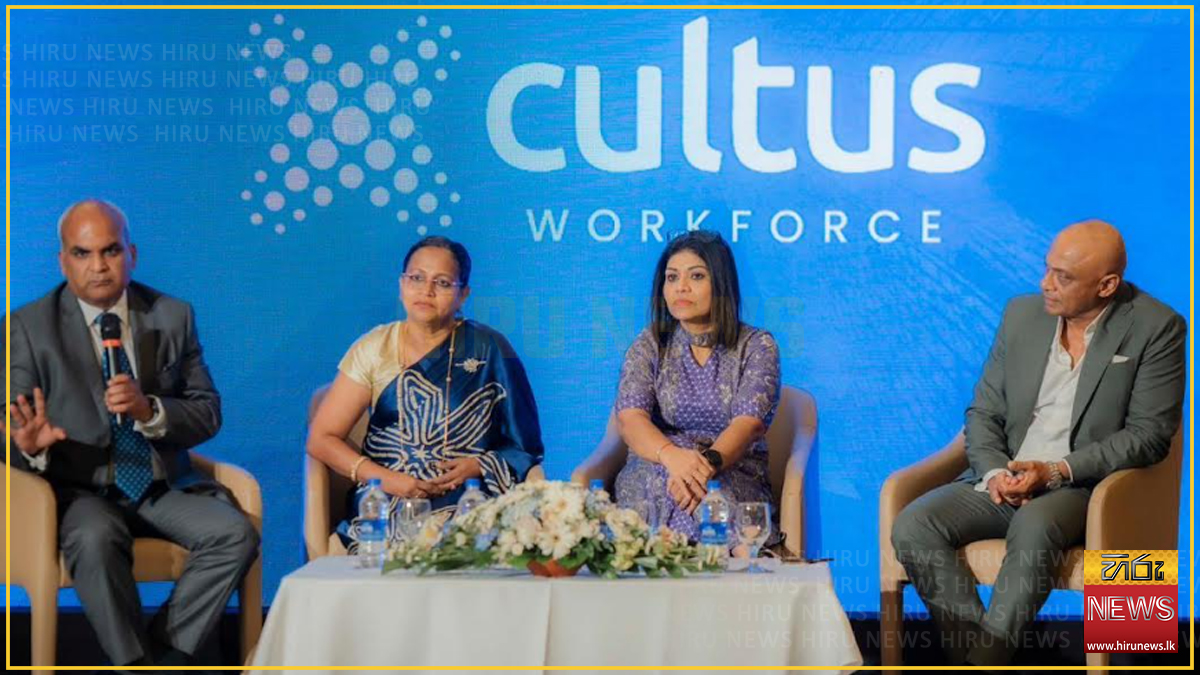
Cultus Workforce Development Services enters Sri Lanka
Local
04 May 2026
“Market gains on global optimism with strong institutional activity”
Local
04 May 2026

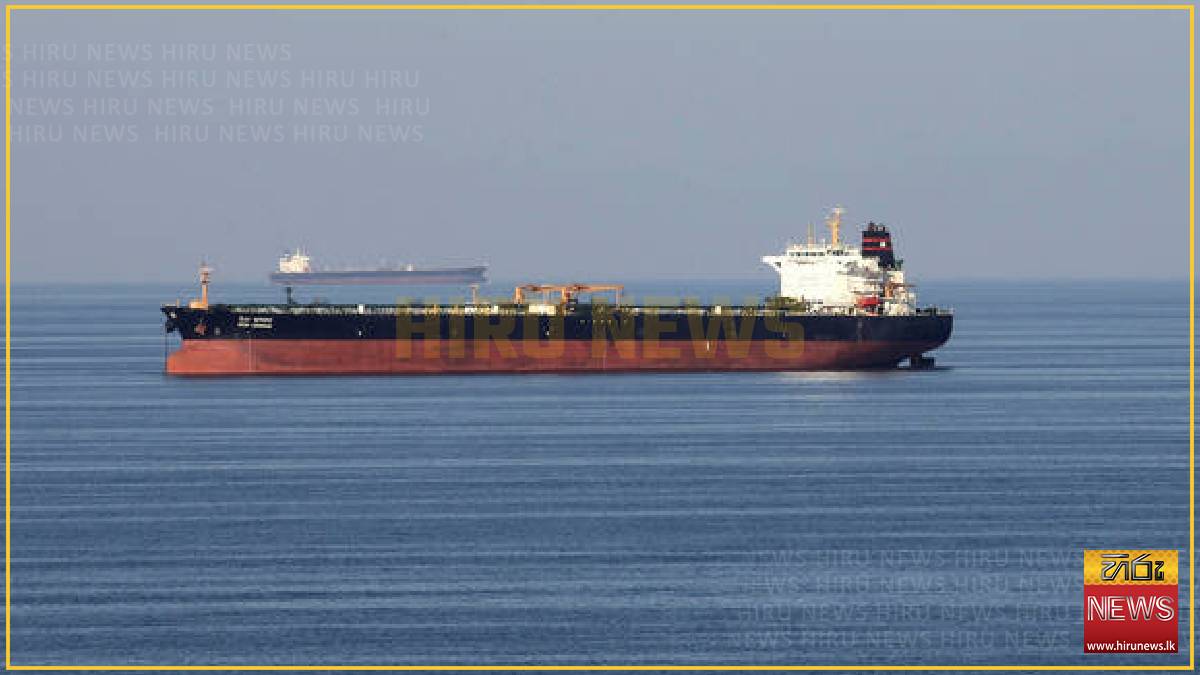
UAE tanker hit in Hormuz strait
Local
04 May 2026
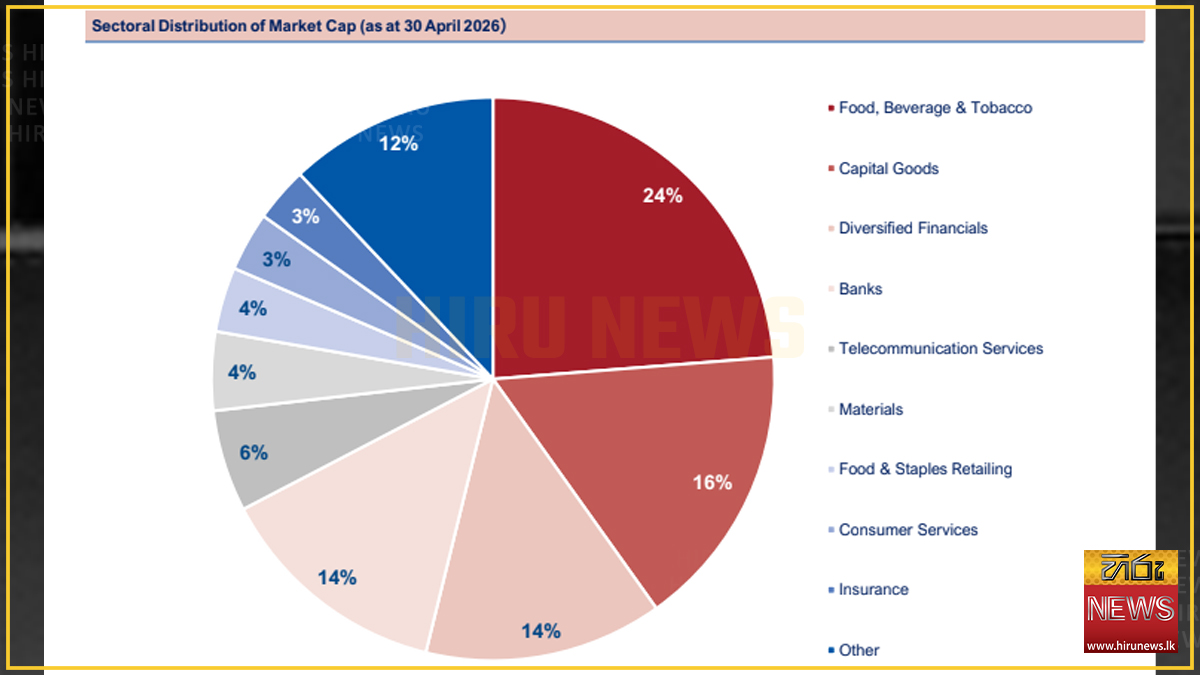
Indices rise despite declining turnover in April
Local
04 May 2026
Mels Automobiles appointed authorised importer for BMW vehicles
Local
04 May 2026

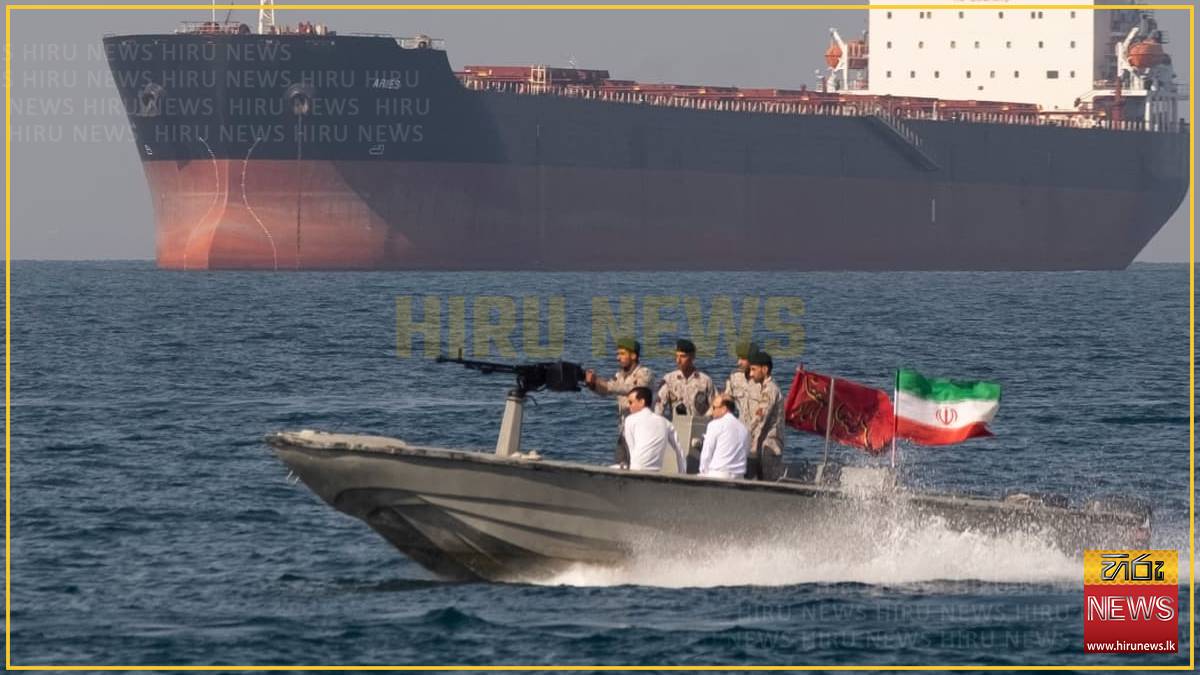
IRGC warns it will strike ships in Hormuz
Local
04 May 2026
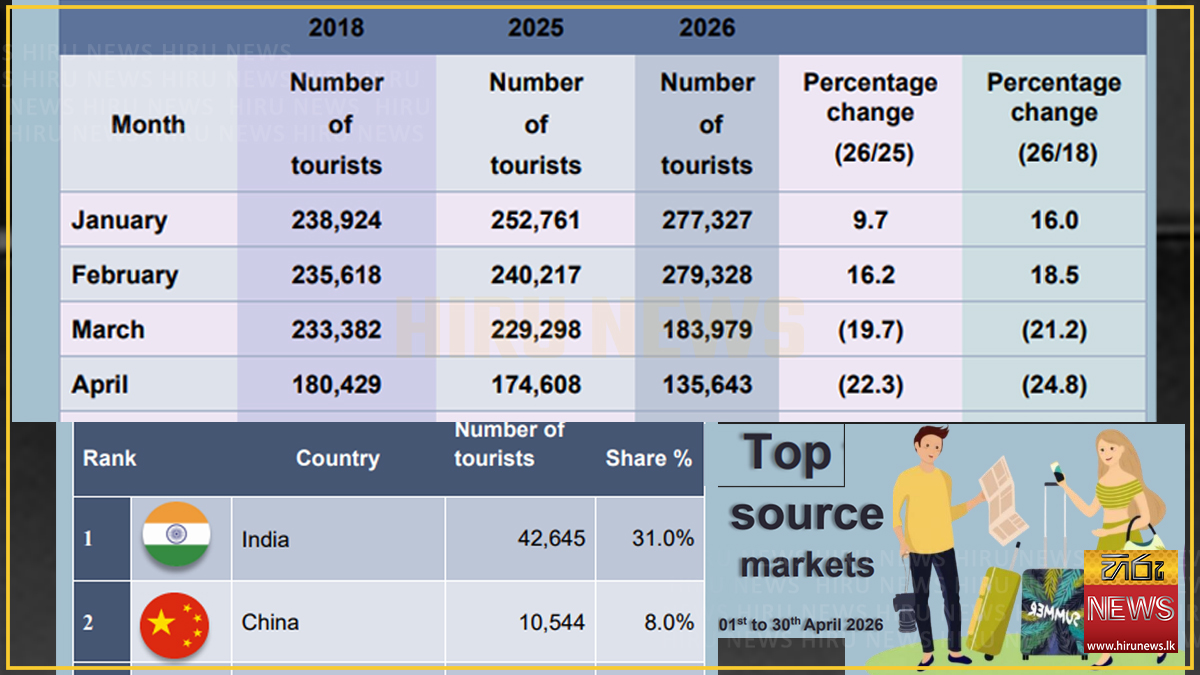
April tourist arrivals hit yearly low as SL records decline in visitors, earnings
Local
04 May 2026
Oil prices jump as Iran claims strikes on US ship
Local
04 May 2026