Share Post


Thai Pongal, also known as Pongal, is a vibrant and multi-day harvest festival celebrated primarily by the Tamil community. Falling in the Tamil month of Thai, usually on January 14 or 15, it holds great cultural and spiritual significance. This festival, dedicated to the Sun God Surya, mirrors the broader Indian celebration of Makar Sankranti.
Thai Pongal spans three to four days, each with its unique rituals. The festival sequence includes Bhogi, Surya Pongal, Maatu Pongal, and Kaanum Pongal, observed consecutively. These days commemorate the end of winter solstice and the commencement of the sun's journey northwards, known as Uttarayana.
The festival derives its name from the ceremonial "Pongal," signifying the act of boiling and overflowing. A key tradition involves preparing a special dish from the newly harvested rice, boiled in milk with jaggery. This culinary ritual is a symbolic expression of gratitude for the abundance of the harvest.
A significant aspect of Thai Pongal is Maatu Pongal, a day dedicated to celebrating cattle. Cattle are bathed, their horns adorned with vibrant colors, and garlands of flowers grace their necks. Processions highlight the role of these animals in agriculture, showcasing their importance to rural life.
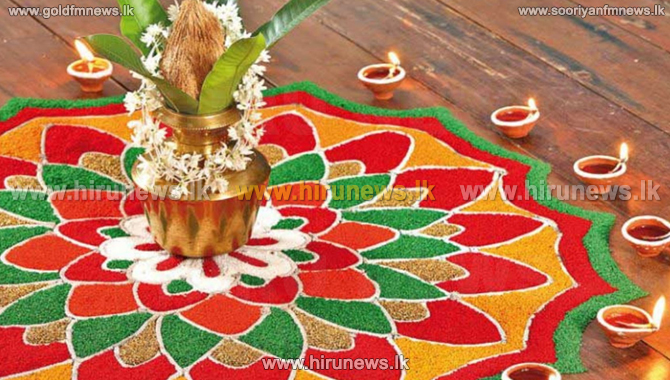
Thai Pongal is a time for various rituals, including decorating homes and temples with intricate rice-powder kolam artworks. Families come together for prayers, communal feasts, and the exchange of gifts, reinforcing social bonds and solidarity. The festival resonates with joyous gatherings and cultural festivities.
While Thai Pongal is widely celebrated in Tamil Nadu and South India, its cultural reach extends to Sri Lanka and the global Tamil diaspora. The festival serves as a unifying thread, connecting people across geographical boundaries in a shared celebration of harvest, tradition, and spirituality.
Integral to Thai Pongal is the preparation and consumption of the sweet rice dish also called Pongal. This delectable blend of rice, milk, and jaggery symbolizes not only the prosperity of the harvest but also the sweetness of communal life.
Thai Pongal, an ancient South Indian harvest festival, holds a special place in the hearts of millions, marking a time of gratitude, abundance, and communal joy. Observed during the Tamil month of Thai, typically falling in mid-January, Thai Pongal transcends cultural boundaries and embodies the spirit of unity.
Historical Significance:
With roots dating back to agrarian societies, Thai Pongal celebrates the culmination of the harvest season. Farmers express gratitude to the Sun God, Surya, for a bountiful harvest, symbolizing the cyclical nature of life, sustenance, and renewal. The festival also acknowledges the essential role of cattle in agriculture, with cows and bulls adorned in colorful decorations.
Pongal Pot:
Central to the celebrations is the Pongal pot, a traditional clay vessel used to cook the Pongal dish. This dish, prepared with newly harvested rice, jaggery, milk, and an assortment of nuts and spices, is symbolically significant. The act of allowing the pot to overflow represents prosperity and the abundance of the harvest.
Traditions and Rituals:
Thai Pongal is a time for families to come together, engaging in traditional rituals that foster a sense of togetherness. Homes are adorned with intricate kolam (rangoli) designs, and the aroma of freshly cooked Pongal wafts through the air. Devotees visit temples, offering thanks for the agricultural blessings bestowed upon them.
The Cultural Tapestry:
Thai Pongal transcends regional and cultural boundaries, fostering a sense of unity among diverse communities. The festival is not only celebrated in homes but also in schools, workplaces, and public spaces, emphasizing the cultural diversity that enriches society.
Feast and Fellowship:
The festive table is adorned with an array of delectable dishes, symbolizing the diversity of the harvest. Families and friends gather to share a joyous feast, reinforcing the bonds of kinship and community. Traditional music and dance further enhance the celebratory atmosphere.
Modern Relevance:
In contemporary times, Thai Pongal carries additional significance as a day to reflect on environmental sustainability and responsible farming practices. Discussions surrounding organic farming, conservation of traditional seeds, and the protection of agricultural biodiversity are integral to the festival's evolving narrative.
As Thai Pongal dawns, it brings with it the promise of a new beginning, a time to express gratitude, and an opportunity to strengthen the fabric of community life. In the tapestry of cultures, Thai Pongal stands as a testament to the enduring values of unity, tradition, and the eternal cycle of nature's bounty. May the festival illuminate homes with joy, prosperity, and the enduring spirit of togetherness.
Thai Pongal spans three to four days, each with its unique rituals. The festival sequence includes Bhogi, Surya Pongal, Maatu Pongal, and Kaanum Pongal, observed consecutively. These days commemorate the end of winter solstice and the commencement of the sun's journey northwards, known as Uttarayana.
The festival derives its name from the ceremonial "Pongal," signifying the act of boiling and overflowing. A key tradition involves preparing a special dish from the newly harvested rice, boiled in milk with jaggery. This culinary ritual is a symbolic expression of gratitude for the abundance of the harvest.
A significant aspect of Thai Pongal is Maatu Pongal, a day dedicated to celebrating cattle. Cattle are bathed, their horns adorned with vibrant colors, and garlands of flowers grace their necks. Processions highlight the role of these animals in agriculture, showcasing their importance to rural life.
Thai Pongal is a time for various rituals, including decorating homes and temples with intricate rice-powder kolam artworks. Families come together for prayers, communal feasts, and the exchange of gifts, reinforcing social bonds and solidarity. The festival resonates with joyous gatherings and cultural festivities.
While Thai Pongal is widely celebrated in Tamil Nadu and South India, its cultural reach extends to Sri Lanka and the global Tamil diaspora. The festival serves as a unifying thread, connecting people across geographical boundaries in a shared celebration of harvest, tradition, and spirituality.
Integral to Thai Pongal is the preparation and consumption of the sweet rice dish also called Pongal. This delectable blend of rice, milk, and jaggery symbolizes not only the prosperity of the harvest but also the sweetness of communal life.
Thai Pongal, an ancient South Indian harvest festival, holds a special place in the hearts of millions, marking a time of gratitude, abundance, and communal joy. Observed during the Tamil month of Thai, typically falling in mid-January, Thai Pongal transcends cultural boundaries and embodies the spirit of unity.
Historical Significance:
With roots dating back to agrarian societies, Thai Pongal celebrates the culmination of the harvest season. Farmers express gratitude to the Sun God, Surya, for a bountiful harvest, symbolizing the cyclical nature of life, sustenance, and renewal. The festival also acknowledges the essential role of cattle in agriculture, with cows and bulls adorned in colorful decorations.
Pongal Pot:
Central to the celebrations is the Pongal pot, a traditional clay vessel used to cook the Pongal dish. This dish, prepared with newly harvested rice, jaggery, milk, and an assortment of nuts and spices, is symbolically significant. The act of allowing the pot to overflow represents prosperity and the abundance of the harvest.
Traditions and Rituals:
Thai Pongal is a time for families to come together, engaging in traditional rituals that foster a sense of togetherness. Homes are adorned with intricate kolam (rangoli) designs, and the aroma of freshly cooked Pongal wafts through the air. Devotees visit temples, offering thanks for the agricultural blessings bestowed upon them.
The Cultural Tapestry:
Thai Pongal transcends regional and cultural boundaries, fostering a sense of unity among diverse communities. The festival is not only celebrated in homes but also in schools, workplaces, and public spaces, emphasizing the cultural diversity that enriches society.
Feast and Fellowship:
The festive table is adorned with an array of delectable dishes, symbolizing the diversity of the harvest. Families and friends gather to share a joyous feast, reinforcing the bonds of kinship and community. Traditional music and dance further enhance the celebratory atmosphere.
Modern Relevance:
In contemporary times, Thai Pongal carries additional significance as a day to reflect on environmental sustainability and responsible farming practices. Discussions surrounding organic farming, conservation of traditional seeds, and the protection of agricultural biodiversity are integral to the festival's evolving narrative.
As Thai Pongal dawns, it brings with it the promise of a new beginning, a time to express gratitude, and an opportunity to strengthen the fabric of community life. In the tapestry of cultures, Thai Pongal stands as a testament to the enduring values of unity, tradition, and the eternal cycle of nature's bounty. May the festival illuminate homes with joy, prosperity, and the enduring spirit of togetherness.
Latest News
Sun Siyam Pasikudah GM elected President ECHA, eyes regional growth
Local
04 May 2026

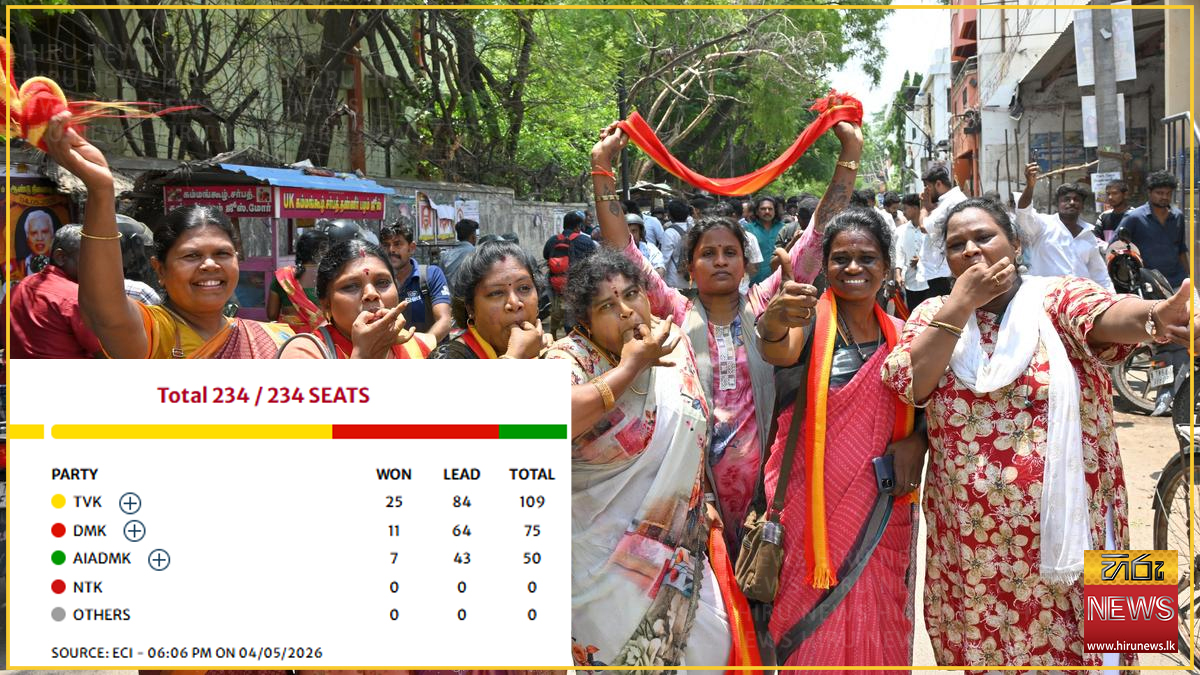
Tamil Nadu election: Stalin faces defeat
Local
04 May 2026
Cultus Workforce Development Services enters Sri Lanka
Local
04 May 2026

“Market gains on global optimism with strong institutional activity”
Local
04 May 2026

UAE tanker hit in Hormuz strait
Local
04 May 2026

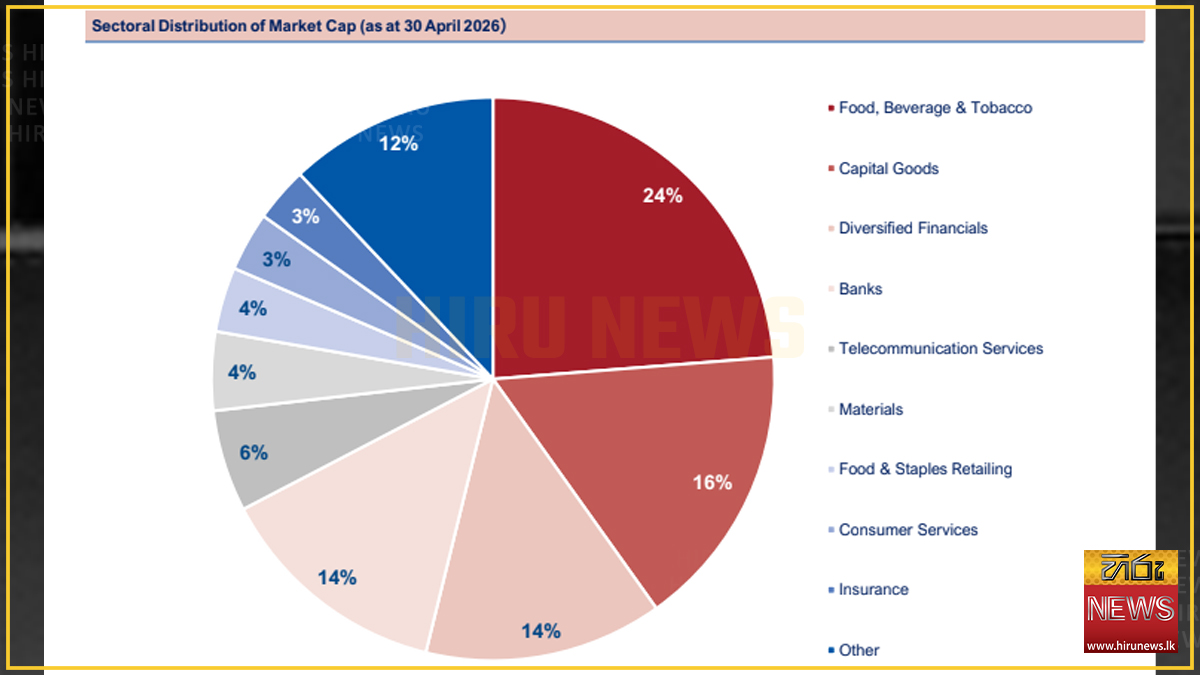
Indices rise despite declining turnover in April
Local
04 May 2026
Mels Automobiles appointed authorised importer for BMW vehicles
Local
04 May 2026

IRGC warns it will strike ships in Hormuz
Local
04 May 2026

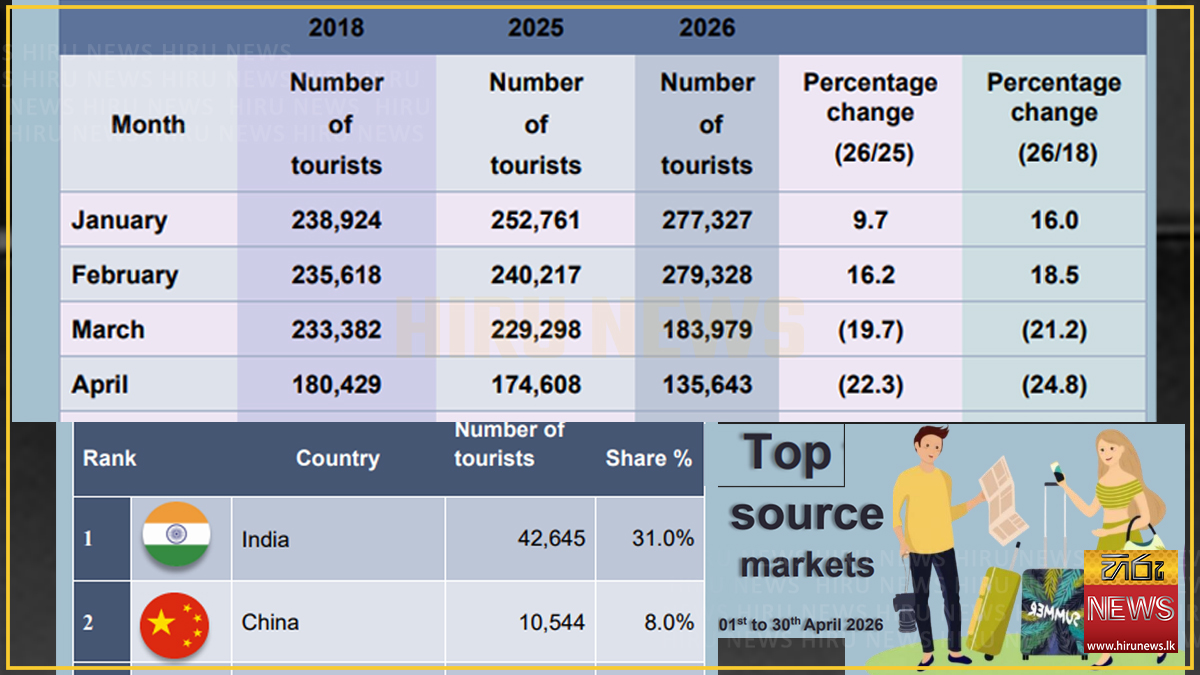
April tourist arrivals hit yearly low as SL records decline in visitors, earnings
Local
04 May 2026
Oil prices jump as Iran claims strikes on US ship
Local
04 May 2026