Share Post


Today marks the celebration of Thai Pongal, a festival that is of great significance to the Tamil community in Sri Lanka. While this joyous occasion is widely celebrated across the Tamil diaspora, Thai Pongal holds a unique place in Sri Lankan culture, symbolizing the deep-rooted agricultural traditions and the vibrant cultural heritage of the Tamil people.
What is Thai Pongal?
Thai Pongal is a Tamil harvest festival celebrated annually on the first day of the Tamil month of Thai (usually around January 14th), which coincides with the sun's movement into the zodiac of Capricorn. The word "Pongal" means "to boil" or "spill over," and it is both the name of the dish prepared for the occasion and the name of the festival itself. The festival is a way of giving thanks for the harvest and the bounty of nature.
The primary focus of Thai Pongal is to honor the Sun God (Surya), who is believed to bring prosperity through his warmth and energy. The festival also honors cattle, especially cows and oxen, which play an integral role in farming and agricultural work.
The Significance of Thai Pongal in Sri Lanka
In Sri Lanka, Thai Pongal holds immense importance, especially in the Northern and Eastern provinces where Tamil culture thrives. The festival is a time for families to come together and celebrate the hard work and dedication of farmers, who contribute significantly to the island's agricultural output.
For the Tamil people of Sri Lanka, Pongal is not just a festival; it's a symbol of gratitude and renewal. The preparation of the Pongal dish, made from newly harvested rice, sugarcane, and other ingredients, signifies abundance and good fortune in the year ahead.
Traditions and Customs of Thai Pongal
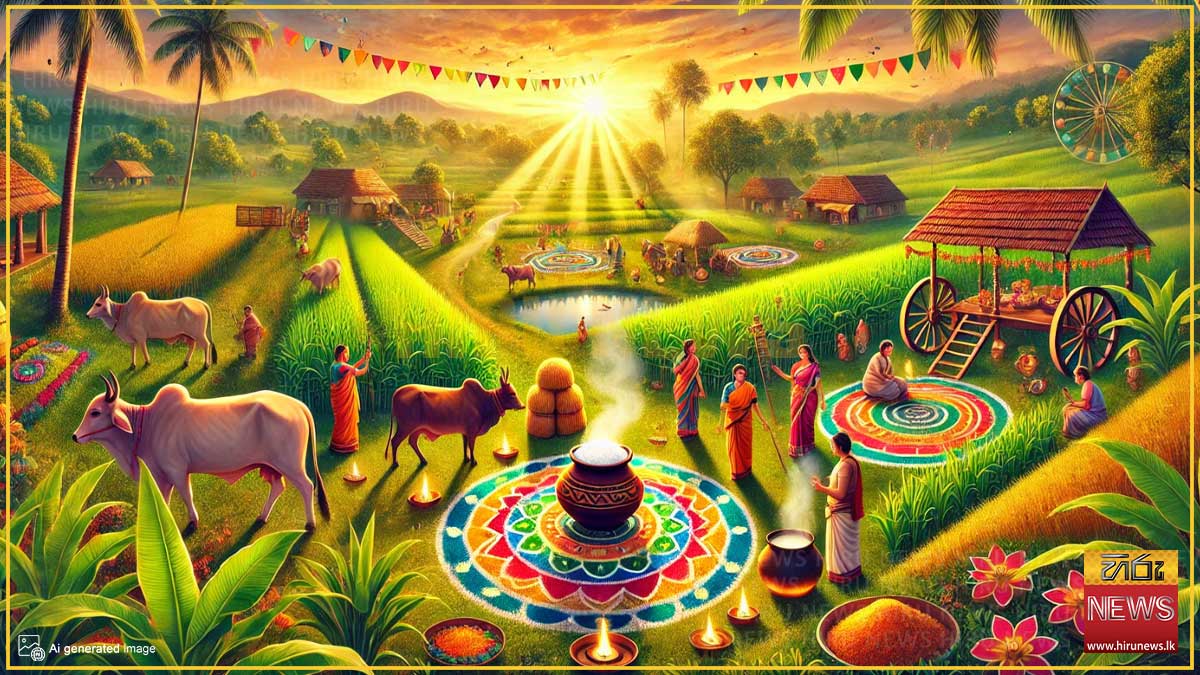
The festivities begin with early morning prayers, where families gather to offer their thanks to the Sun God. The home is cleaned, and a small alter is set up to honor the gods, often adorned with flowers, fruits, and sugarcane. The Pongal dish itself is cooked in an open space, traditionally on an open fire, as the rice is allowed to boil over as a symbol of prosperity and abundance.
In addition to cooking and feasting, another key component of Thai Pongal is the worship of cattle. The cows and oxen that assist in plowing fields and carrying heavy loads are washed, decorated with garlands, and sometimes even painted. It is a celebration of their vital role in sustaining rural livelihoods.
Kolam (the art of drawing intricate patterns on the floor using rice flour) is another important cultural activity during Pongal. These beautiful patterns are meant to invite prosperity and good fortune into the home.
Food and Feasts
No celebration is complete without food, and Thai Pongal is no exception. The festival’s most famous dish, Pongal, is a sweet, sticky rice dish made from new rice, milk, jaggery, and spices. This dish is cooked as a symbol of the harvest and shared with family and friends. Other traditional Tamil foods like vadai (fried lentil donuts), sambar (a spicy lentil stew), and payasam (sweet rice pudding) also form an integral part of the celebrations.
Pongal as a Time for Unity
Thai Pongal is more than just a festival of harvest; it is a time for fostering community spirit. Families come together to share the bounty of the season, exchange gifts, and visit relatives and neighbors. It is a celebration of unity, family bonds, and the importance of togetherness.
In Sri Lanka, where different ethnic groups and religions coexist, Thai Pongal serves as an important reminder of the shared agricultural roots that bind people together. It is a time when the Tamil community comes together not only to celebrate their own culture but also to engage in acts of generosity and solidarity.
Thai Pongal in Modern Sri Lanka
As Sri Lanka continues to modernize, the celebration of Thai Pongal remains rooted in tradition while also evolving. Young people in urban areas may not always be involved in the agricultural aspects of the festival but still celebrate by cooking Pongal, spending time with family, and embracing the cultural values of gratitude and renewal.
Moreover, as Sri Lanka embraces its multicultural identity, Thai Pongal has become an occasion for cross-cultural exchange. Sri Lankans of various ethnicities often join in the festivities, partaking in the food, customs, and celebrations of the Tamil community.
A Festival of Gratitude
Thai Pongal is more than just a harvest festival. It is a celebration of nature's gifts, a recognition of hard work, and a time to express gratitude for the year's blessings. In Sri Lanka, it holds a special place in the hearts of the Tamil community, reminding them of their agricultural heritage and the importance of family, community, and unity. As the Pongal dish boils over, it is a reminder that abundance, both material and spiritual, is to be shared with others.
Whether in rural fields or bustling urban neighborhoods, Thai Pongal serves as a symbol of hope, renewal, and the power of gratitude—a tradition that continues to thrive in Sri Lanka today.
What is Thai Pongal?
Thai Pongal is a Tamil harvest festival celebrated annually on the first day of the Tamil month of Thai (usually around January 14th), which coincides with the sun's movement into the zodiac of Capricorn. The word "Pongal" means "to boil" or "spill over," and it is both the name of the dish prepared for the occasion and the name of the festival itself. The festival is a way of giving thanks for the harvest and the bounty of nature.
The primary focus of Thai Pongal is to honor the Sun God (Surya), who is believed to bring prosperity through his warmth and energy. The festival also honors cattle, especially cows and oxen, which play an integral role in farming and agricultural work.
The Significance of Thai Pongal in Sri Lanka
In Sri Lanka, Thai Pongal holds immense importance, especially in the Northern and Eastern provinces where Tamil culture thrives. The festival is a time for families to come together and celebrate the hard work and dedication of farmers, who contribute significantly to the island's agricultural output.
For the Tamil people of Sri Lanka, Pongal is not just a festival; it's a symbol of gratitude and renewal. The preparation of the Pongal dish, made from newly harvested rice, sugarcane, and other ingredients, signifies abundance and good fortune in the year ahead.
Traditions and Customs of Thai Pongal
The festivities begin with early morning prayers, where families gather to offer their thanks to the Sun God. The home is cleaned, and a small alter is set up to honor the gods, often adorned with flowers, fruits, and sugarcane. The Pongal dish itself is cooked in an open space, traditionally on an open fire, as the rice is allowed to boil over as a symbol of prosperity and abundance.
In addition to cooking and feasting, another key component of Thai Pongal is the worship of cattle. The cows and oxen that assist in plowing fields and carrying heavy loads are washed, decorated with garlands, and sometimes even painted. It is a celebration of their vital role in sustaining rural livelihoods.
Kolam (the art of drawing intricate patterns on the floor using rice flour) is another important cultural activity during Pongal. These beautiful patterns are meant to invite prosperity and good fortune into the home.
Food and Feasts
No celebration is complete without food, and Thai Pongal is no exception. The festival’s most famous dish, Pongal, is a sweet, sticky rice dish made from new rice, milk, jaggery, and spices. This dish is cooked as a symbol of the harvest and shared with family and friends. Other traditional Tamil foods like vadai (fried lentil donuts), sambar (a spicy lentil stew), and payasam (sweet rice pudding) also form an integral part of the celebrations.
Pongal as a Time for Unity
Thai Pongal is more than just a festival of harvest; it is a time for fostering community spirit. Families come together to share the bounty of the season, exchange gifts, and visit relatives and neighbors. It is a celebration of unity, family bonds, and the importance of togetherness.
In Sri Lanka, where different ethnic groups and religions coexist, Thai Pongal serves as an important reminder of the shared agricultural roots that bind people together. It is a time when the Tamil community comes together not only to celebrate their own culture but also to engage in acts of generosity and solidarity.
Thai Pongal in Modern Sri Lanka
As Sri Lanka continues to modernize, the celebration of Thai Pongal remains rooted in tradition while also evolving. Young people in urban areas may not always be involved in the agricultural aspects of the festival but still celebrate by cooking Pongal, spending time with family, and embracing the cultural values of gratitude and renewal.
Moreover, as Sri Lanka embraces its multicultural identity, Thai Pongal has become an occasion for cross-cultural exchange. Sri Lankans of various ethnicities often join in the festivities, partaking in the food, customs, and celebrations of the Tamil community.
A Festival of Gratitude
Thai Pongal is more than just a harvest festival. It is a celebration of nature's gifts, a recognition of hard work, and a time to express gratitude for the year's blessings. In Sri Lanka, it holds a special place in the hearts of the Tamil community, reminding them of their agricultural heritage and the importance of family, community, and unity. As the Pongal dish boils over, it is a reminder that abundance, both material and spiritual, is to be shared with others.
Whether in rural fields or bustling urban neighborhoods, Thai Pongal serves as a symbol of hope, renewal, and the power of gratitude—a tradition that continues to thrive in Sri Lanka today.
Latest News
M.K. Stalin defeated in Kolathur
Local
04 May 2026
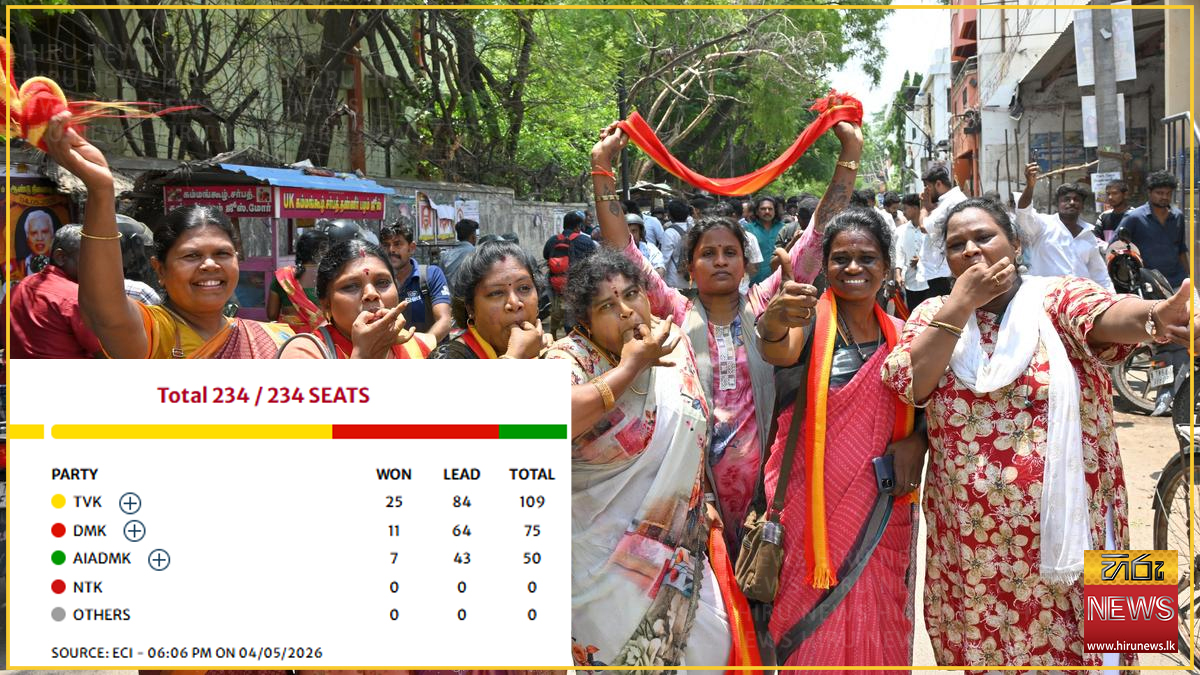
PM Modi congratulates Vijay's TVK
Local
04 May 2026

Sun Siyam Pasikudah GM elected President ECHA, eyes regional growth
Local
04 May 2026
Tamil Nadu election: Stalin faces defeat
Local
04 May 2026
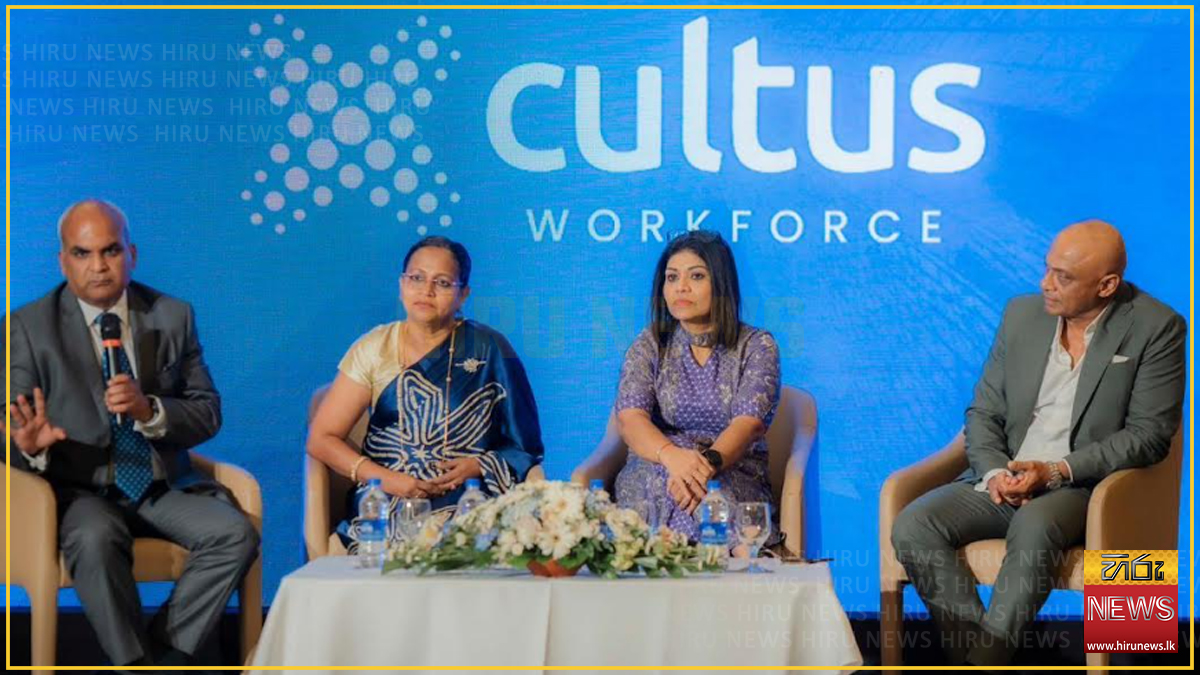
Cultus Workforce Development Services enters Sri Lanka
Local
04 May 2026
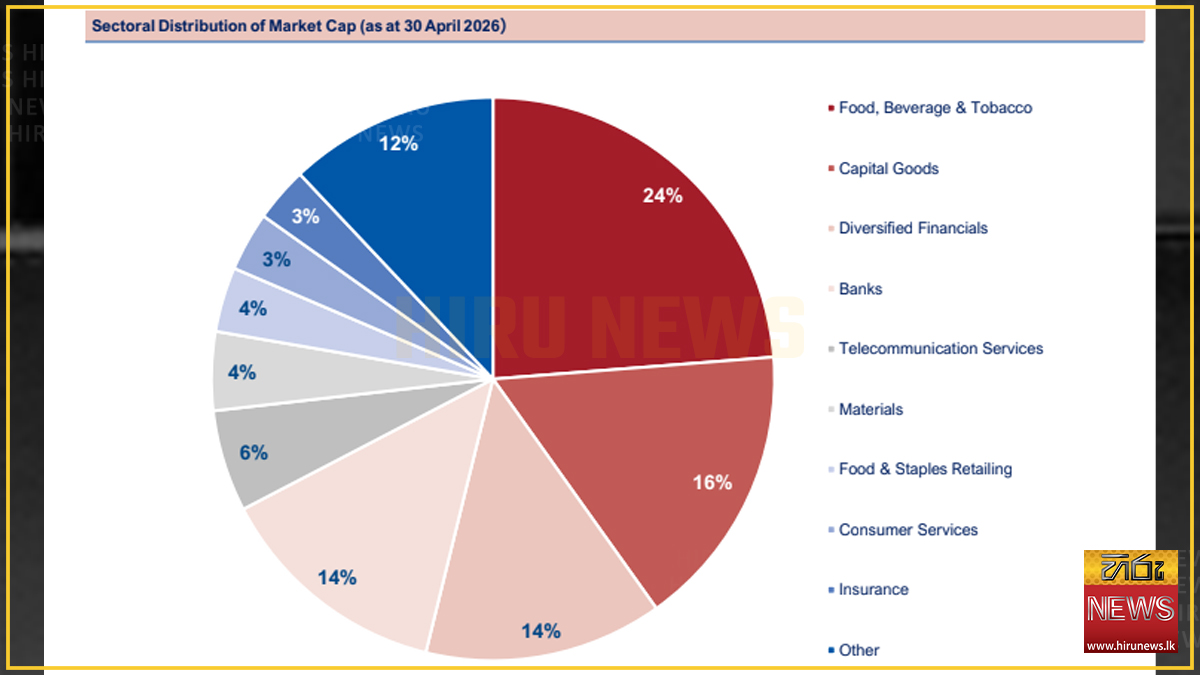
“Market gains on global optimism with strong institutional activity”
Local
04 May 2026

UAE tanker hit in Hormuz strait
Local
04 May 2026

Indices rise despite declining turnover in April
Local
04 May 2026
Mels Automobiles appointed authorised importer for BMW vehicles
Local
04 May 2026

IRGC warns it will strike ships in Hormuz
Local
04 May 2026