Share Post


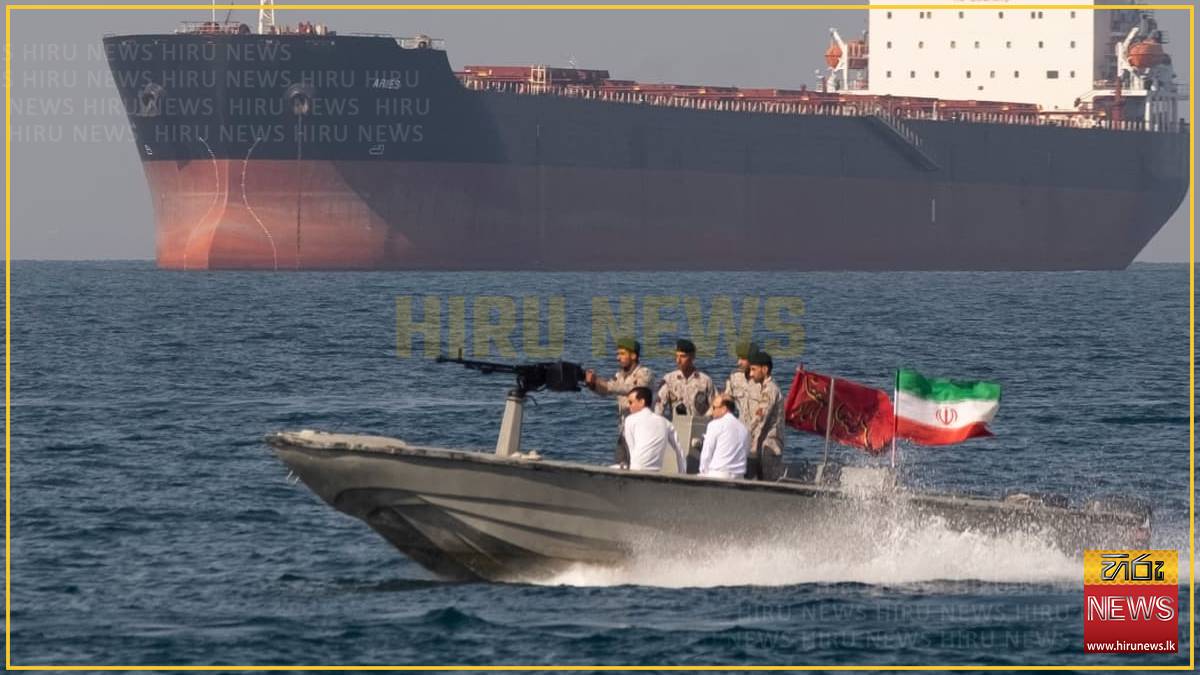
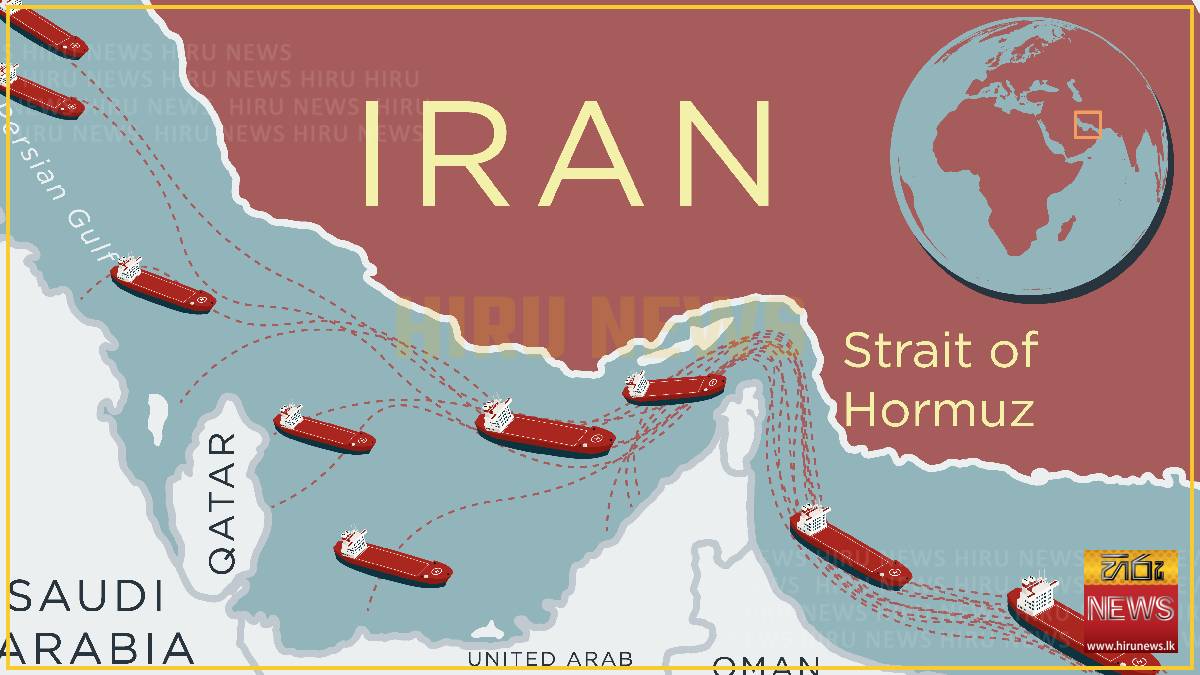
It’s been a bewildering 24 hours for seafarers hoping to transit the Strait of Hormuz, which Iran has largely blocked since the beginning of March.
The confusion began after Iranian Foreign Minister Abbas Araghchi said Friday that with a truce in Lebanon now in place, “the passage for all commercial vessels through Strait of Hormuz is declared completely open for the remaining period of ceasefire,” which expires next week.
Araghchi appeared to imply that Iran’s tight control over the Strait was being replaced with a looser arrangement whereby ships would have to cross “on the coordinated route as already announced” by Iranian authorities.
US President Donald Trump swiftly welcomed the move but then said the US blockade of Iranian ports would continue “in full force” until a full deal with Iran was reached.
This was rejected by Tehran, and one semi-official Iranian outlet – Tasnim - also criticized Araghchi for creating “various ambiguities about the conditions for passage, its details, and its mechanisms.”
“Passage through the Strait will be limited, subject to payment of fees, and under Iranian management,” noted another Iranian outlet, Mizan, which is affiliated with more hardline elements.
On Saturday, the Iranian military reiterated that transits for commercial shipping would be tightly restricted – so long as the US blockade continued.
The navy of the Islamic Revolutionary Guards Corps (IRGC) followed up with a post on X, saying: “As long as the passage of vessels from Iranian origin to Iranian destination remains under threat, the status of the Strait of Hormuz will remain in its previous state.”
Amid the uncertainty, shipping companies continue to be hesitant about using the Strait. After several tankers left the Gulf early Saturday, others appeared to be in a holding pattern.
- CNN
The confusion began after Iranian Foreign Minister Abbas Araghchi said Friday that with a truce in Lebanon now in place, “the passage for all commercial vessels through Strait of Hormuz is declared completely open for the remaining period of ceasefire,” which expires next week.
Araghchi appeared to imply that Iran’s tight control over the Strait was being replaced with a looser arrangement whereby ships would have to cross “on the coordinated route as already announced” by Iranian authorities.
US President Donald Trump swiftly welcomed the move but then said the US blockade of Iranian ports would continue “in full force” until a full deal with Iran was reached.
This was rejected by Tehran, and one semi-official Iranian outlet – Tasnim - also criticized Araghchi for creating “various ambiguities about the conditions for passage, its details, and its mechanisms.”
“Passage through the Strait will be limited, subject to payment of fees, and under Iranian management,” noted another Iranian outlet, Mizan, which is affiliated with more hardline elements.
On Saturday, the Iranian military reiterated that transits for commercial shipping would be tightly restricted – so long as the US blockade continued.
The navy of the Islamic Revolutionary Guards Corps (IRGC) followed up with a post on X, saying: “As long as the passage of vessels from Iranian origin to Iranian destination remains under threat, the status of the Strait of Hormuz will remain in its previous state.”
Amid the uncertainty, shipping companies continue to be hesitant about using the Strait. After several tankers left the Gulf early Saturday, others appeared to be in a holding pattern.
- CNN
Latest News
M.K. Stalin defeated in Kolathur
Local
04 May 2026

PM Modi congratulates Vijay's TVK
Local
04 May 2026

Sun Siyam Pasikudah GM elected President ECHA, eyes regional growth
Local
04 May 2026

Tamil Nadu election: Stalin faces defeat
Local
04 May 2026

Cultus Workforce Development Services enters Sri Lanka
Local
04 May 2026

“Market gains on global optimism with strong institutional activity”
Local
04 May 2026

UAE tanker hit in Hormuz strait
Local
04 May 2026
Indices rise despite declining turnover in April
Local
04 May 2026
Mels Automobiles appointed authorised importer for BMW vehicles
Local
04 May 2026

IRGC warns it will strike ships in Hormuz
Local
04 May 2026