


Share Post


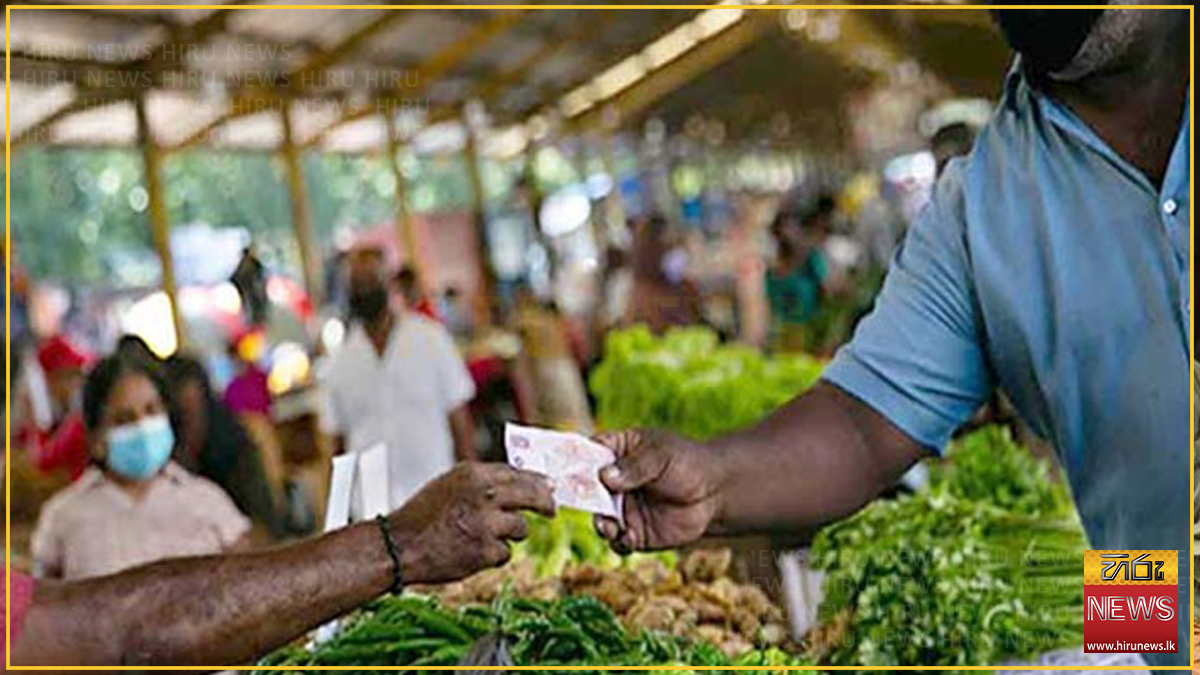
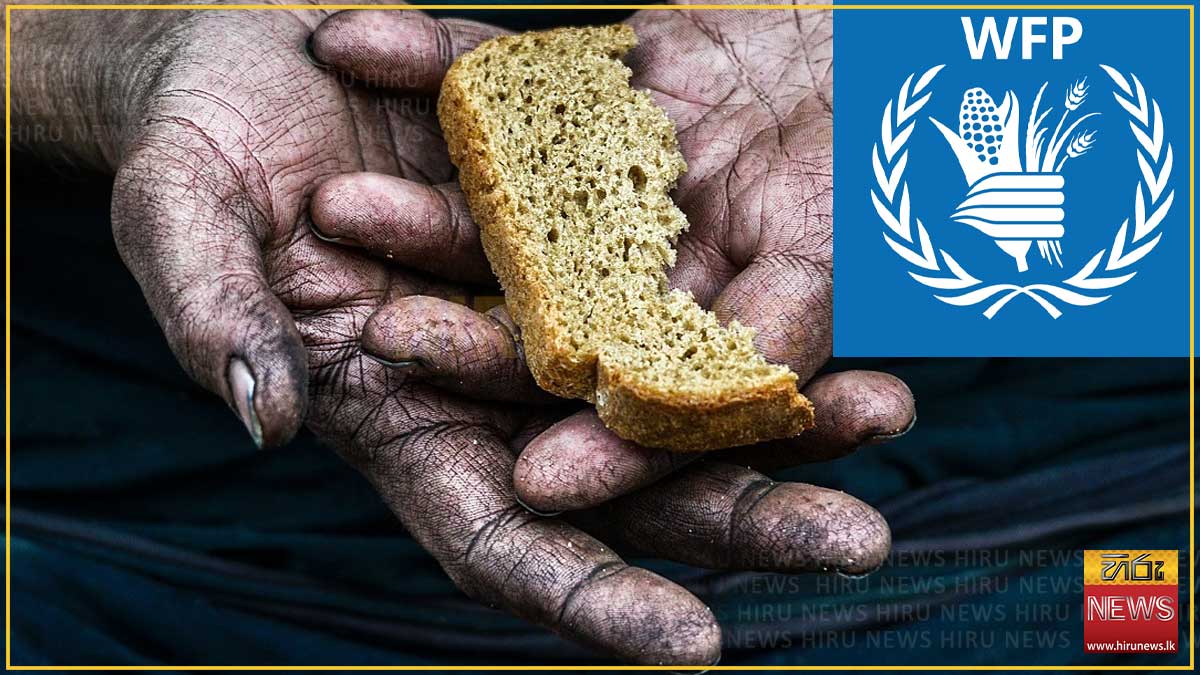
The ongoing political and military crisis in the Middle East could push an additional 1.3 million people in Sri Lanka into severe food insecurity, according to a new report released by the United Nations World Food Programme (WFP).
The report warns that millions worldwide are increasingly facing hunger and food shortages as a result of the escalating crisis.
The WFP noted that rising global prices of fuel, fertiliser, and food—driven by instability in the Middle East—have had a direct impact on vulnerable populations in poorer countries. Nations such as Sri Lanka, which are still recovering from prolonged economic difficulties, are considered particularly exposed to these shocks.
Sri Lanka’s dependence on the Middle East has been identified as a key vulnerability, with 63 percent of the country’s total energy needs sourced from the region. In addition, 44 percent of Sri Lanka’s foreign remittances and 45 percent of tea exports are linked to Gulf nations.
The WFP stated that, against a backdrop where 4.7 million Sri Lankans are already affected by food insecurity, a further 1.3 million people could struggle to meet their basic food requirements due to the worsening global situation. Apart from Sri Lanka, the crisis has also directly affected around 2.5 million people in Somalia and 2.3 million in Afghanistan.
Even if tensions in the Middle East ease in the coming months, the WFP warned that higher fuel and fertiliser prices could disrupt future harvests, potentially worsening global food shortages. Jean-Martin Bauer, Director of Food Security and Nutrition Analysis Services at the WFP, said the ripple effects of the crisis may continue to impact food systems worldwide.
The report warns that millions worldwide are increasingly facing hunger and food shortages as a result of the escalating crisis.
The WFP noted that rising global prices of fuel, fertiliser, and food—driven by instability in the Middle East—have had a direct impact on vulnerable populations in poorer countries. Nations such as Sri Lanka, which are still recovering from prolonged economic difficulties, are considered particularly exposed to these shocks.
Sri Lanka’s dependence on the Middle East has been identified as a key vulnerability, with 63 percent of the country’s total energy needs sourced from the region. In addition, 44 percent of Sri Lanka’s foreign remittances and 45 percent of tea exports are linked to Gulf nations.
The WFP stated that, against a backdrop where 4.7 million Sri Lankans are already affected by food insecurity, a further 1.3 million people could struggle to meet their basic food requirements due to the worsening global situation. Apart from Sri Lanka, the crisis has also directly affected around 2.5 million people in Somalia and 2.3 million in Afghanistan.
Even if tensions in the Middle East ease in the coming months, the WFP warned that higher fuel and fertiliser prices could disrupt future harvests, potentially worsening global food shortages. Jean-Martin Bauer, Director of Food Security and Nutrition Analysis Services at the WFP, said the ripple effects of the crisis may continue to impact food systems worldwide.
Latest News
NCE to lead exporters’ delegation to India to unlock new market opportunities
Local
21 August 2026
Tesla, automakers launch record recall in China
Local
21 August 2026

SLIM Brand Excellence marks 25th edition, entries close Sept. 25
Local
21 August 2026

Prince Harry, six others hit with £9.5m Daily Mail legal bill
Local
21 August 2026

Compensation awarded to families of slain Negombo prison officers
Local
21 August 2026
Market turnover falls 18.8%
Local
21 August 2026
Japan executes man over killing 5 people
Local
21 August 2026

Ronaldinho chases 300th goal at 46
Local
21 August 2026

MP Archchuna hints at final parliamentary address
Local
21 August 2026

Sri Lanka inflation rises in July
Local
21 August 2026