



Share Post


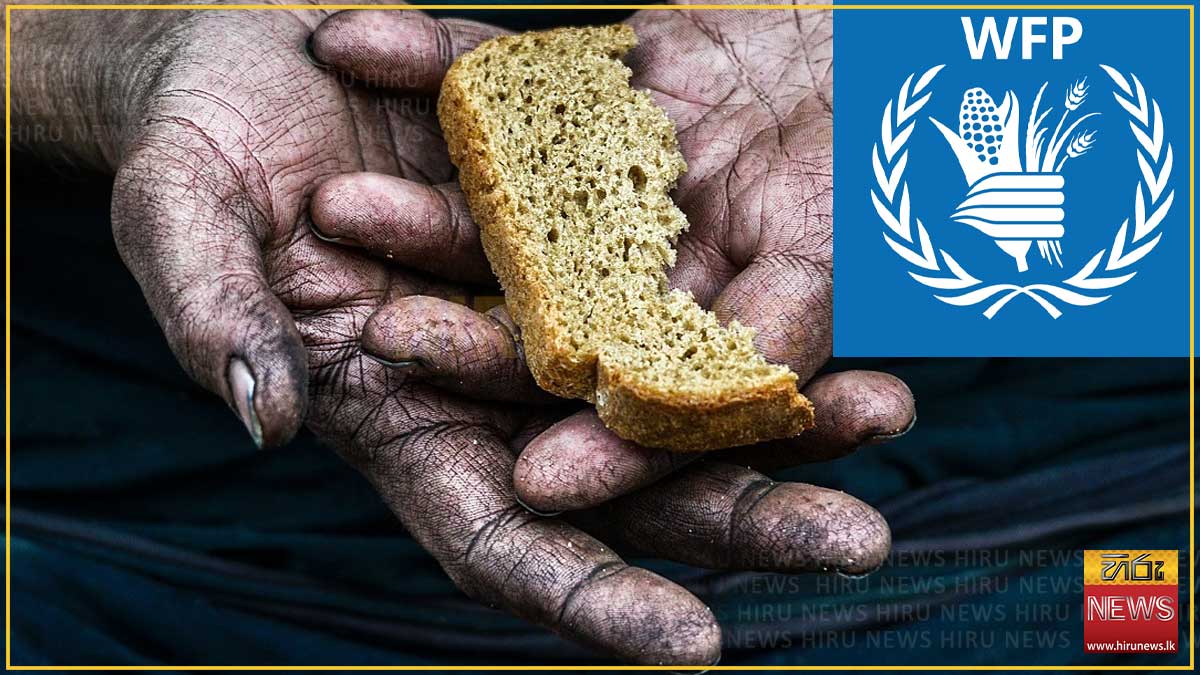
The ongoing political and military crisis in the Middle East could push an additional 1.3 million people in Sri Lanka into severe food insecurity, according to a new report released by the United Nations World Food Programme (WFP).
The report warns that millions worldwide are increasingly facing hunger and food shortages as a result of the escalating crisis.
The WFP noted that rising global prices of fuel, fertiliser, and food—driven by instability in the Middle East—have had a direct impact on vulnerable populations in poorer countries. Nations such as Sri Lanka, which are still recovering from prolonged economic difficulties, are considered particularly exposed to these shocks.
Sri Lanka’s dependence on the Middle East has been identified as a key vulnerability, with 63 percent of the country’s total energy needs sourced from the region. In addition, 44 percent of Sri Lanka’s foreign remittances and 45 percent of tea exports are linked to Gulf nations.
The WFP stated that, against a backdrop where 4.7 million Sri Lankans are already affected by food insecurity, a further 1.3 million people could struggle to meet their basic food requirements due to the worsening global situation. Apart from Sri Lanka, the crisis has also directly affected around 2.5 million people in Somalia and 2.3 million in Afghanistan.
Even if tensions in the Middle East ease in the coming months, the WFP warned that higher fuel and fertiliser prices could disrupt future harvests, potentially worsening global food shortages. Jean-Martin Bauer, Director of Food Security and Nutrition Analysis Services at the WFP, said the ripple effects of the crisis may continue to impact food systems worldwide.
The report warns that millions worldwide are increasingly facing hunger and food shortages as a result of the escalating crisis.
The WFP noted that rising global prices of fuel, fertiliser, and food—driven by instability in the Middle East—have had a direct impact on vulnerable populations in poorer countries. Nations such as Sri Lanka, which are still recovering from prolonged economic difficulties, are considered particularly exposed to these shocks.
Sri Lanka’s dependence on the Middle East has been identified as a key vulnerability, with 63 percent of the country’s total energy needs sourced from the region. In addition, 44 percent of Sri Lanka’s foreign remittances and 45 percent of tea exports are linked to Gulf nations.
The WFP stated that, against a backdrop where 4.7 million Sri Lankans are already affected by food insecurity, a further 1.3 million people could struggle to meet their basic food requirements due to the worsening global situation. Apart from Sri Lanka, the crisis has also directly affected around 2.5 million people in Somalia and 2.3 million in Afghanistan.
Even if tensions in the Middle East ease in the coming months, the WFP warned that higher fuel and fertiliser prices could disrupt future harvests, potentially worsening global food shortages. Jean-Martin Bauer, Director of Food Security and Nutrition Analysis Services at the WFP, said the ripple effects of the crisis may continue to impact food systems worldwide.
Latest News
US intercepts Iranian missiles and drones launched toward Hormuz and Gulf
Local
06 June 2026
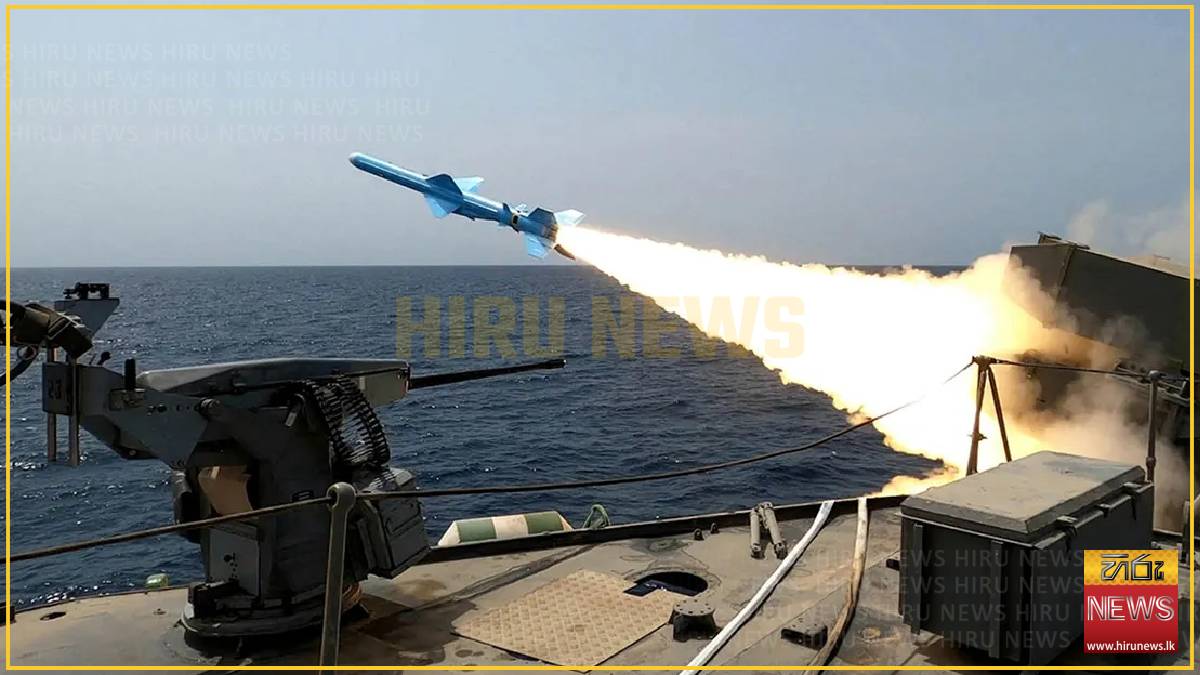
US says Iranian radar sites hit
Local
06 June 2026
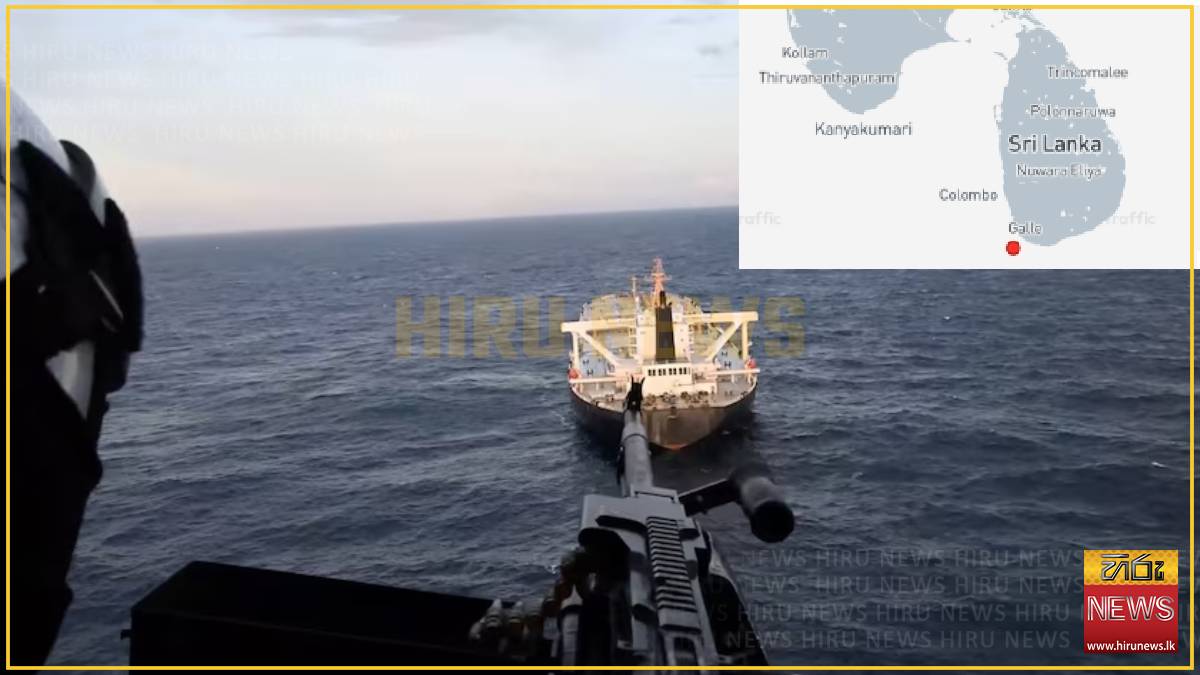
US-interdicted oil tanker last tracked off Sri Lanka coast
Local
06 June 2026
Boeing studying to boost 737 MAX plane production
Local
06 June 2026
The story of Norway's Viking World Cup photoshoot
Local
06 June 2026

Raul Castro, wanted by US, appears at event in Havana
Local
06 June 2026

Cobolli through to final as Arnaldi withdraws with virus
Local
06 June 2026

J&J beats lawsuit alleging that talc caused cancer
Local
06 June 2026

Dua Lipa and Callum Turner arrive in Sicily for wedding celebrations
Local
06 June 2026

‘The Odyssey’ first-day PLF advance ticket sales are best at AMC for any studio title since 2022
Local
06 June 2026