



Share Post


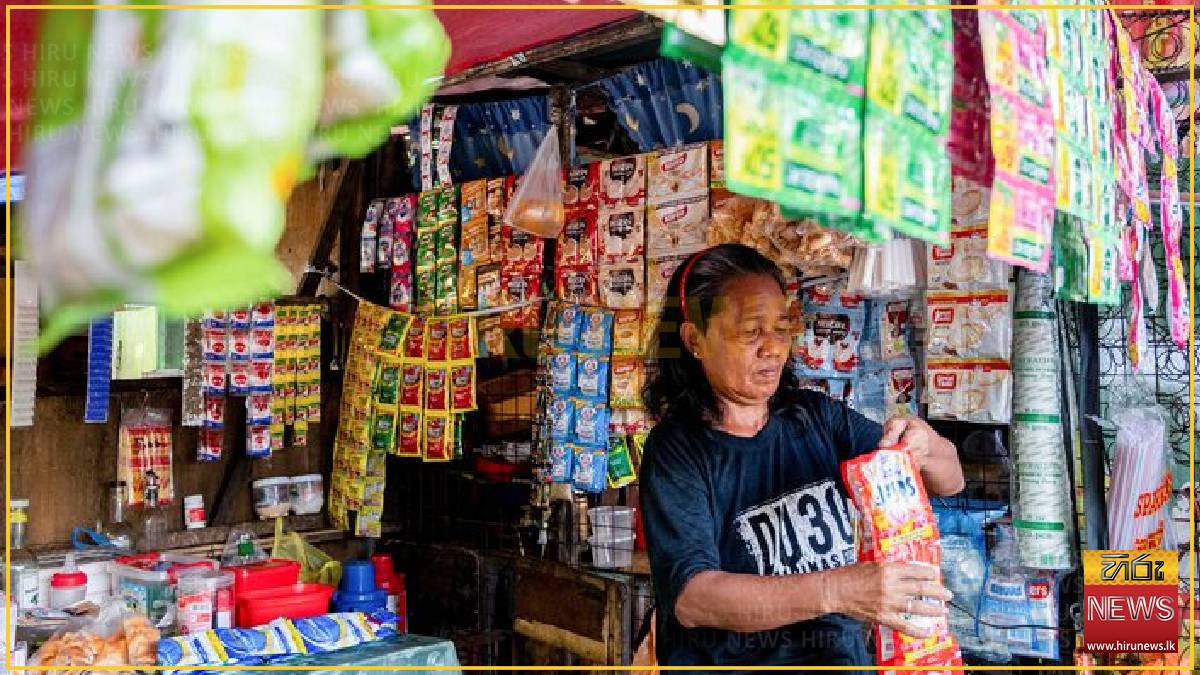
Plastic bags, wraps and pouches are among the world’s most polluting packages, yet they’re also among the hardest to recycle or replace, a problem companies are increasingly being forced to confront.
A raft of new laws aimed at tackling flexible plastic waste is set to take effect. In Europe, by 2030 much flexible plastic packaging – including for food – must contain minimum levels of recycled content.
In England, councils must start collecting plastic films and bags from household recycling bins in March 2027.
In California, businesses are facing pressure to boost flexible plastic recycling as the state targets a 65% recycling rate for single-use plastic packaging by 2032.
In response, companies are redesigning packs so they are easier to recycle, backing advanced recycling technologies and researching alternatives to plastic.
But all these efforts face major hurdles. Recycling flexible plastics still lacks the infrastructure and end markets needed to work at scale.
Replacements are often heavier, more expensive and less resilient.
“There is a tension when it comes to flexible packaging,” said Pablo Costa, Unilever’s global packaging head, at a London conference in May. “It provides consumers with fresh, high-quality, safe, essential goods for their daily lives but, as we know, the problem is structural – flexible packaging is hard to collect and hard to recycle.”
Flexible and multilayer plastics make up 80% of the plastic that leaks into the ocean, according to Pew Charitable Trusts.
They’ve grown in popularity as companies have lightweighted packaging to cut costs and emissions.
They now make up 58% of plastic packaging globally, according to Pew, yet account for under 4% of plastic packaging waste sent for recycling through formal systems.
The rest is landfilled, burned, dumped or littered.
For Unilever, flexibles – which make up 28% of its packaging – have become a reputational issue as activists including Greenpeace, continue to target the company for using small multilayer sachets in emerging markets.
Although Unilever has tested refill schemes to replace sachets, consumer uptake is weak.
The schemes are limited to a handful of brands and locations, while shoppers must remember containers and deal with the messy business of decanting.
Reusable packaging that’s prefilled by brands solves some of that friction, but creates new problems.
Rigid containers can have much higher carbon emissions than lightweight flexibles if not reused enough times, while the cost of returnable systems can put them out of reach for the low-income consumers that sachets were originally designed to serve.
To tackle sachet waste, Unilever is now looking beyond plastic. It has 60 scientists exploring ways to use more coated paper. “Paper will play a central role in the solution,” said Costa.
Other companies, including Nestle, Mars, PepsiCo, and Babybel cheese owner Bel Group, have also been switching to paper for some products.
However, coatings that sufficiently block moisture, oxygen and grease can impede recyclability, and progress has been slow.
Bio-based plastics also face many of the same recycling challenges as traditional ones. While some are compostable, the infrastructure to compost them largely doesn’t exist.
Given these limitations, many companies are looking to recycling technologies. Belgium, France, Germany and other European countries have for decades collected plastic bags and films from households and sorted them from other recyclables for traditional mechanical recycling, in which plastic is cleaned, shredded and remelted into new pellets.
While mixed plastic waste is commonly turned into decking and furniture, over the past decade recyclers in Europe have begun separating plastics by type, so these can be used to make products including trash bags and drainage systems, said Mike Jefferson, technical director at the Circular Economy for Flexible Packaging initiative, an industry consortium.
Europe is now creating incentives for companies to find new markets for recycled plastic. From 2030, many plastic packages used for products like food, cosmetics and detergents, except those made from PET plastic, are expected to include at least 10% recycled plastic, while other plastic packaging will need 35%. By 2035, companies will also have to show that their packaging is being recycled at scale. That means there must be collection bins, sorting facilities, recyclers that can handle the material, and buyers for the recycled plastic.
“The important thing is that it changes the economics because you have to do this, otherwise your packaging cannot go on the market,” says Jefferson.
Europe’s regulation is expected to drive demand for chemical recycling technologies that can handle the types of plastic waste that mechanical recyclers struggle with, including heavily printed, coloured or contaminated films. These include pyrolysis, gasification and solvent-based processes.
But the technologies remain contested. Many are energy-intensive, and some can create hazardous emissions or byproducts.
Solvent-based processes also depend on chemicals, which must be carefully managed and recovered.
Environmentalists say some projects described as chemical recycling have produced fuels or chemical feedstocks rather than meaningful volumes of new plastic.
The economics are tough, too. Chemically recycled plastic costs significantly more than virgin plastic, while European recyclers also face competition from cheaper imported recycled material.
The European targets that could help create stronger demand do not take effect until 2030. In May, Viridor, owned by KKR & Co, said it was considering ceasing its European chemical recycling operations, blaming market pressures and a lack of regulatory clarity.
Some recyclers are trying to improve the quality of mechanically recycled plastic without breaking polymers down into oil, gas or chemical building blocks. These technologies aim to keep the plastic intact while removing colour, odours, additives and other contaminants that limit where recycled material can be used.
Nextek, a UK-based plastics-recycling consultancy, has developed a process that uses carbon dioxide under high pressure to draw odours, food residues and other trapped substances out of used polyethylene and polypropylene without melting the plastic. The CO₂ passes through the plastic and carries unwanted molecules away, while the polymer itself remains intact.
Another group of technologies, known as dissolution, uses solvents to separate and purify polymers without breaking their chains. Klaus Wohnig, chair of a new European association for dissolution recyclers, compares it to washing tomato sauce from spaghetti: the plastic stays intact, while colour, additives and impurities are removed.
Today, heavily printed and coloured household flexible plastics can’t be used to make clear shrink and stretch film. Wohnig says dissolution could tackle that limitation – and others – but the technology still needs stable waste streams, careful pre-sorting and regulation that will motivate brands to invest.
In England, the new scheme to collect flexible plastic from households is expected to create a surge in bags and wraps available for recycling. But much of this has nowhere to go. Many UK recyclers have closed in recent years amid competition from cheaper imported plastic that industry executives say is sometimes falsely marketed as recycled because verification is weak.
“The processing capacity simply is not there,” said Jacob Hayler, executive director of the Environmental Services Association, who expects that most of what’s collected will need to be chemically recycled. The trade body is calling for some flexible plastic collections to be delayed. It says the UK government should tighten checks on imported plastic claiming to have recycled content and instead raise the tax on virgin plastic.
This week, an industry-backed group launched a project to examine what money, facilities and policy support the UK would need to recycle far more plastic bags, wrappers and films. Just 7% of flexible plastics in the UK are recycled, according to nonprofit WRAP.
In the U.S., companies are currently focused on meeting California’s targets. The state law could send between 400,000 and 800,000 tonnes of post-residential polyethylene film into a system that does not yet have enough companies to handle it, said Shannon Bouton, chief executive of Delterra, on a recent webinar about film recycling.
The environmental nonprofit is working on a project funded by Swiss packaging company Amcor and Kraft-Heinz to test which products could be made from polyethylene film discarded by consumers, and what it would take to make the process economically viable.
The US Flexible Film Initiative, a project funded by brand owners and packaging companies, is testing whether flexible plastics that today end up in kerb-side bins can be separately baled at California recycling sorting plants then sent to companies that recycle the material, if both parties are paid subsidies.
The effort is intended to determine what level of operational funding is needed for flexible plastics to be profitably sorted and recycled. Such costs could eventually be covered through extended producer responsibility systems, including the programme being created under California’s packaging law.
Since December, the scheme has directed more than 1.5 million pounds (680,000 kilograms) of film and flexible material from recycling sorting plants to reclaimers, said Maite Quinn, the initiative’s executive director. Any longer-term subsidies would likely need to come
“What we’re learning is that flexible film recycling is possible,” said Quinn. “But it requires an operational subsidy.”
-Reuters
A raft of new laws aimed at tackling flexible plastic waste is set to take effect. In Europe, by 2030 much flexible plastic packaging – including for food – must contain minimum levels of recycled content.
In England, councils must start collecting plastic films and bags from household recycling bins in March 2027.
In California, businesses are facing pressure to boost flexible plastic recycling as the state targets a 65% recycling rate for single-use plastic packaging by 2032.
In response, companies are redesigning packs so they are easier to recycle, backing advanced recycling technologies and researching alternatives to plastic.
But all these efforts face major hurdles. Recycling flexible plastics still lacks the infrastructure and end markets needed to work at scale.
Replacements are often heavier, more expensive and less resilient.
“There is a tension when it comes to flexible packaging,” said Pablo Costa, Unilever’s global packaging head, at a London conference in May. “It provides consumers with fresh, high-quality, safe, essential goods for their daily lives but, as we know, the problem is structural – flexible packaging is hard to collect and hard to recycle.”
Flexible and multilayer plastics make up 80% of the plastic that leaks into the ocean, according to Pew Charitable Trusts.
They’ve grown in popularity as companies have lightweighted packaging to cut costs and emissions.
They now make up 58% of plastic packaging globally, according to Pew, yet account for under 4% of plastic packaging waste sent for recycling through formal systems.
The rest is landfilled, burned, dumped or littered.
For Unilever, flexibles – which make up 28% of its packaging – have become a reputational issue as activists including Greenpeace, continue to target the company for using small multilayer sachets in emerging markets.
Although Unilever has tested refill schemes to replace sachets, consumer uptake is weak.
The schemes are limited to a handful of brands and locations, while shoppers must remember containers and deal with the messy business of decanting.
Reusable packaging that’s prefilled by brands solves some of that friction, but creates new problems.
Rigid containers can have much higher carbon emissions than lightweight flexibles if not reused enough times, while the cost of returnable systems can put them out of reach for the low-income consumers that sachets were originally designed to serve.
To tackle sachet waste, Unilever is now looking beyond plastic. It has 60 scientists exploring ways to use more coated paper. “Paper will play a central role in the solution,” said Costa.
Other companies, including Nestle, Mars, PepsiCo, and Babybel cheese owner Bel Group, have also been switching to paper for some products.
However, coatings that sufficiently block moisture, oxygen and grease can impede recyclability, and progress has been slow.
Bio-based plastics also face many of the same recycling challenges as traditional ones. While some are compostable, the infrastructure to compost them largely doesn’t exist.
Given these limitations, many companies are looking to recycling technologies. Belgium, France, Germany and other European countries have for decades collected plastic bags and films from households and sorted them from other recyclables for traditional mechanical recycling, in which plastic is cleaned, shredded and remelted into new pellets.
While mixed plastic waste is commonly turned into decking and furniture, over the past decade recyclers in Europe have begun separating plastics by type, so these can be used to make products including trash bags and drainage systems, said Mike Jefferson, technical director at the Circular Economy for Flexible Packaging initiative, an industry consortium.
Europe is now creating incentives for companies to find new markets for recycled plastic. From 2030, many plastic packages used for products like food, cosmetics and detergents, except those made from PET plastic, are expected to include at least 10% recycled plastic, while other plastic packaging will need 35%. By 2035, companies will also have to show that their packaging is being recycled at scale. That means there must be collection bins, sorting facilities, recyclers that can handle the material, and buyers for the recycled plastic.
“The important thing is that it changes the economics because you have to do this, otherwise your packaging cannot go on the market,” says Jefferson.
Europe’s regulation is expected to drive demand for chemical recycling technologies that can handle the types of plastic waste that mechanical recyclers struggle with, including heavily printed, coloured or contaminated films. These include pyrolysis, gasification and solvent-based processes.
But the technologies remain contested. Many are energy-intensive, and some can create hazardous emissions or byproducts.
Solvent-based processes also depend on chemicals, which must be carefully managed and recovered.
Environmentalists say some projects described as chemical recycling have produced fuels or chemical feedstocks rather than meaningful volumes of new plastic.
The economics are tough, too. Chemically recycled plastic costs significantly more than virgin plastic, while European recyclers also face competition from cheaper imported recycled material.
The European targets that could help create stronger demand do not take effect until 2030. In May, Viridor, owned by KKR & Co, said it was considering ceasing its European chemical recycling operations, blaming market pressures and a lack of regulatory clarity.
Some recyclers are trying to improve the quality of mechanically recycled plastic without breaking polymers down into oil, gas or chemical building blocks. These technologies aim to keep the plastic intact while removing colour, odours, additives and other contaminants that limit where recycled material can be used.
Nextek, a UK-based plastics-recycling consultancy, has developed a process that uses carbon dioxide under high pressure to draw odours, food residues and other trapped substances out of used polyethylene and polypropylene without melting the plastic. The CO₂ passes through the plastic and carries unwanted molecules away, while the polymer itself remains intact.
Another group of technologies, known as dissolution, uses solvents to separate and purify polymers without breaking their chains. Klaus Wohnig, chair of a new European association for dissolution recyclers, compares it to washing tomato sauce from spaghetti: the plastic stays intact, while colour, additives and impurities are removed.
Today, heavily printed and coloured household flexible plastics can’t be used to make clear shrink and stretch film. Wohnig says dissolution could tackle that limitation – and others – but the technology still needs stable waste streams, careful pre-sorting and regulation that will motivate brands to invest.
In England, the new scheme to collect flexible plastic from households is expected to create a surge in bags and wraps available for recycling. But much of this has nowhere to go. Many UK recyclers have closed in recent years amid competition from cheaper imported plastic that industry executives say is sometimes falsely marketed as recycled because verification is weak.
“The processing capacity simply is not there,” said Jacob Hayler, executive director of the Environmental Services Association, who expects that most of what’s collected will need to be chemically recycled. The trade body is calling for some flexible plastic collections to be delayed. It says the UK government should tighten checks on imported plastic claiming to have recycled content and instead raise the tax on virgin plastic.
This week, an industry-backed group launched a project to examine what money, facilities and policy support the UK would need to recycle far more plastic bags, wrappers and films. Just 7% of flexible plastics in the UK are recycled, according to nonprofit WRAP.
In the U.S., companies are currently focused on meeting California’s targets. The state law could send between 400,000 and 800,000 tonnes of post-residential polyethylene film into a system that does not yet have enough companies to handle it, said Shannon Bouton, chief executive of Delterra, on a recent webinar about film recycling.
The environmental nonprofit is working on a project funded by Swiss packaging company Amcor and Kraft-Heinz to test which products could be made from polyethylene film discarded by consumers, and what it would take to make the process economically viable.
The US Flexible Film Initiative, a project funded by brand owners and packaging companies, is testing whether flexible plastics that today end up in kerb-side bins can be separately baled at California recycling sorting plants then sent to companies that recycle the material, if both parties are paid subsidies.
The effort is intended to determine what level of operational funding is needed for flexible plastics to be profitably sorted and recycled. Such costs could eventually be covered through extended producer responsibility systems, including the programme being created under California’s packaging law.
Since December, the scheme has directed more than 1.5 million pounds (680,000 kilograms) of film and flexible material from recycling sorting plants to reclaimers, said Maite Quinn, the initiative’s executive director. Any longer-term subsidies would likely need to come
“What we’re learning is that flexible film recycling is possible,” said Quinn. “But it requires an operational subsidy.”
-Reuters
Latest News
Israeli attacks kill 3 Palestinians in Gaza over past 24 hours
Local
28 June 2026

Lebanon’s Aoun condemns attacks on Bahrain and Kuwait
Local
28 June 2026
Iran calls for ‘security framework’ with Gulf countries
Local
28 June 2026

Commander of Hamas naval force killed in Gaza attack
Local
28 June 2026

LVMH and Accor's Orient Express targets new-tech billionaires
Local
28 June 2026

Iran and Iraq plan slain ayatollah’s funeral arrangements
Local
28 June 2026

Department of Finance of Kelaniya University celebrates anniversary on CSE Trading Floor
Local
28 June 2026
Death toll in Israel’s war on Gaza rises
Local
28 June 2026

Akurugraphy exhibition opens at Geoffrey Bawa Space in Colombo
Local
28 June 2026

Pakistan urges ceasefire deal to be observed
Local
28 June 2026