


Share Post


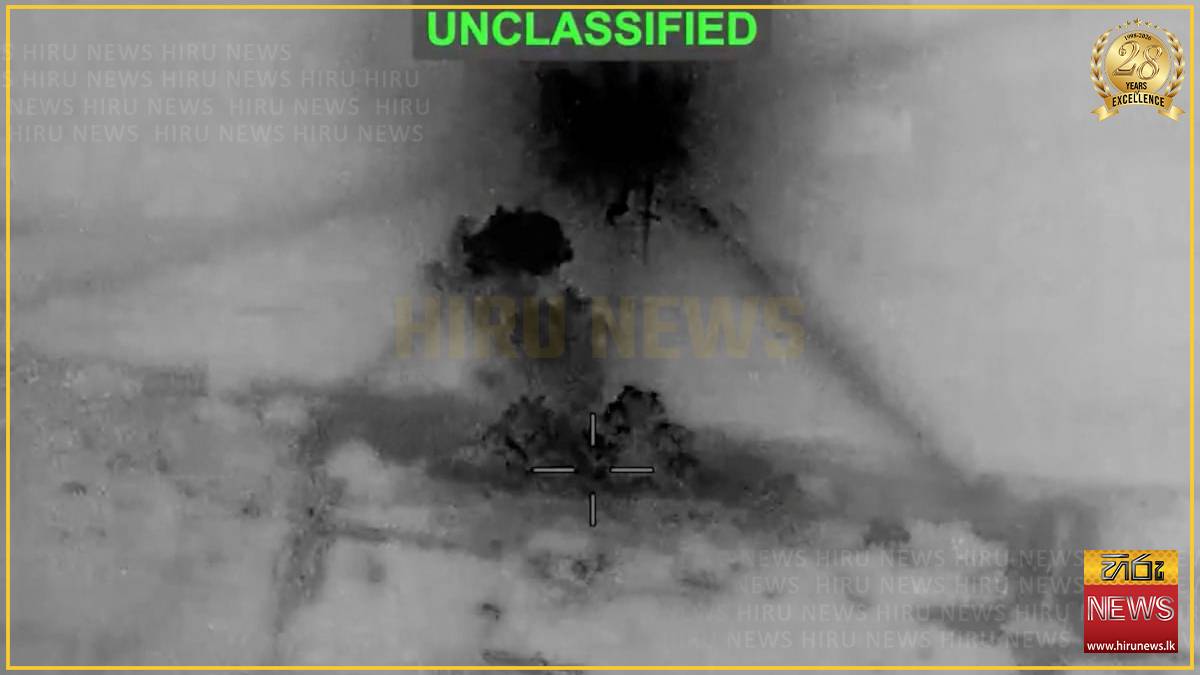
The US military said on Wednesday it launched fresh strikes on Iran to keep the Strait of Hormuz open to shipping, triggering Iranian attacks on Kuwait and Bahrain in the latest escalation to derail efforts to end the war.
The latest round of attacks, which the U.S. said was carried out in response to Tuesday's assault on three cargo ships transiting the strait, came hours after President Donald Trump said he believed an interim ceasefire with Iran to be "over."
"U.S. Central Command forces have started conducting additional strikes against Iran to further degrade their ability to threaten freedom of navigation in the Strait of Hormuz," CENTCOM, the U.S. military's Middle East command, wrote on X.
"The United States is holding Iran accountable for recent unjustified aggression against commercial shipping and civilian crews freely navigating a vital international waterway."
The U.S. strikes rattled several cities along Iran's southern coast and left some areas without power. Iran responded with a second day of attacks on Kuwait and Bahrain, both home to U.S. military bases.
Kuwait's Defense Ministry said it was intercepting missiles and drones, while Qatar briefly issued an "elevated security threat" alert before later giving the all-clear.
The U.S. strikes against Iran on Wednesday will be greater in number than the ones carried out on Tuesday, a U.S. official told Reuters, speaking on condition of anonymity.
"This is in retribution for yesterday’s bombing of ships by Iran. If it happens again, it will get much worse!" Trump wrote on his Truth Social platform.
Control of the strait, through which a fifth of global oil supplies passed before the war, has given Tehran immense leverage, effectively allowing it to force a stalemate with the world's most powerful military. While Iran has not claimed responsibility for the ship attacks, analysts say Tehran uses such actions to gain leverage in negotiations.
"The U.S. has yet to learn that bullying and breaking its commitments no longer come without a cost. Let me be clear: If you strike, you will be struck back," Iran's top negotiator, Mohammad Baqer Qalibaf, wrote on X.
"The Strait of Hormuz will be reopened only under Iranian arrangements, not through U.S. threats."
The latest exchange of strikes appeared to dim hopes of turning a memorandum of understanding signed on June 17 into a permanent deal to end the war, which began with U.S.-Israeli attacks on Iran on February 28.
Asked before a NATO summit in Turkey on Wednesday whether the memorandum of understanding was over, Trump said: "It's a very interesting question. To me, I think it's over. I don't want to deal with them."
"If we make a deal with Iran I'm not sure that will stick," Trump later said. "I found them to be very dishonourable people."
But Trump, who has repeatedly threatened to escalate military action before backing off, said he did not expect a return to full-fledged war, and that it was not clear whether the negotiations on reaching a permanent deal would continue.
Also on Wednesday, Trump said he did not think the war would restart: "Anything that happens is going to be over very quickly ... and will only make it safer, including for oil."
Wednesday's attacks pushed oil prices higher, with Brent crude futures rising about 1% to $78.80 a barrel by 0054 GMT. Even so, prices remained well below the late-April peak of more than $120 a barrel.
-Reuters
The latest round of attacks, which the U.S. said was carried out in response to Tuesday's assault on three cargo ships transiting the strait, came hours after President Donald Trump said he believed an interim ceasefire with Iran to be "over."
"U.S. Central Command forces have started conducting additional strikes against Iran to further degrade their ability to threaten freedom of navigation in the Strait of Hormuz," CENTCOM, the U.S. military's Middle East command, wrote on X.
"The United States is holding Iran accountable for recent unjustified aggression against commercial shipping and civilian crews freely navigating a vital international waterway."
The U.S. strikes rattled several cities along Iran's southern coast and left some areas without power. Iran responded with a second day of attacks on Kuwait and Bahrain, both home to U.S. military bases.
Kuwait's Defense Ministry said it was intercepting missiles and drones, while Qatar briefly issued an "elevated security threat" alert before later giving the all-clear.
The U.S. strikes against Iran on Wednesday will be greater in number than the ones carried out on Tuesday, a U.S. official told Reuters, speaking on condition of anonymity.
"This is in retribution for yesterday’s bombing of ships by Iran. If it happens again, it will get much worse!" Trump wrote on his Truth Social platform.
Control of the strait, through which a fifth of global oil supplies passed before the war, has given Tehran immense leverage, effectively allowing it to force a stalemate with the world's most powerful military. While Iran has not claimed responsibility for the ship attacks, analysts say Tehran uses such actions to gain leverage in negotiations.
"The U.S. has yet to learn that bullying and breaking its commitments no longer come without a cost. Let me be clear: If you strike, you will be struck back," Iran's top negotiator, Mohammad Baqer Qalibaf, wrote on X.
"The Strait of Hormuz will be reopened only under Iranian arrangements, not through U.S. threats."
The latest exchange of strikes appeared to dim hopes of turning a memorandum of understanding signed on June 17 into a permanent deal to end the war, which began with U.S.-Israeli attacks on Iran on February 28.
Asked before a NATO summit in Turkey on Wednesday whether the memorandum of understanding was over, Trump said: "It's a very interesting question. To me, I think it's over. I don't want to deal with them."
"If we make a deal with Iran I'm not sure that will stick," Trump later said. "I found them to be very dishonourable people."
But Trump, who has repeatedly threatened to escalate military action before backing off, said he did not expect a return to full-fledged war, and that it was not clear whether the negotiations on reaching a permanent deal would continue.
Also on Wednesday, Trump said he did not think the war would restart: "Anything that happens is going to be over very quickly ... and will only make it safer, including for oil."
Wednesday's attacks pushed oil prices higher, with Brent crude futures rising about 1% to $78.80 a barrel by 0054 GMT. Even so, prices remained well below the late-April peak of more than $120 a barrel.
-Reuters
Latest News
'Your Friends & Neighbors' gets Emmy recognition
Local
09 July 2026

'The Pitt' leads Emmy nominations with record-breaking 25 nods
Local
09 July 2026

Five crew remain missing after plane wreckage found in Pakistan
Local
09 July 2026
Shyamali Wickramasinghe appointed as new chairperson of CBL Group
Local
09 July 2026

Digital tax proposal may raise costs for global firms
Local
09 July 2026

Typhoon Bavi intensifies before landfall
Local
09 July 2026
90 Iranian targets hit in latest strikes
Local
09 July 2026
Patrick Dempsey turns down shot at Senate seat
Local
09 July 2026

Global economy resilient to Middle East war shock
Local
09 July 2026

Judge bars key portions of video in Charlie Kirk proceedings
Local
09 July 2026