




Share Post


Liechtenstein has announced that it has changed royal succession rules to allow women to ascend the throne.
The declaration was made on the national day of the central European country, which has a population of just 44,000.
Liechtenstein's current ruler, Prince Hans-Adam II, has been the head of their royal family since 1989. The rule change will not affect his heir, Hereditary Prince Alois, who was his first-born.
Alois has carried out most official royal duties for the last two decades.
"The order of succession is being changed from male primogeniture to absolute primogeniture," the House of Liechtenstein said in a statement.
"This means that in future the first-born child, regardless of sex, will become heir to the throne and later princess or prince of Liechtenstein."
The change will not affect Liechtenstein's succession line for now - it will only apply to descendants of the four children of Hereditary Prince Alois and his wife, Hereditary Princess Sophie.
In a statement, Alois said: "With this change in the law, we want to ensure that both the Principality of Liechtenstein and the Princely House are led by the person who has been best prepared for this responsibility."
Liechtenstein is a tiny, doubly-landlocked country tucked away between Switzerland and Austria, whose ruler enjoys sweeping political powers, unlike many of his counterparts in Europe.
In 2011, Britain changed its succession laws to allow first-born daughters of a monarch to inherit the throne.
-BBC
The declaration was made on the national day of the central European country, which has a population of just 44,000.
Liechtenstein's current ruler, Prince Hans-Adam II, has been the head of their royal family since 1989. The rule change will not affect his heir, Hereditary Prince Alois, who was his first-born.
Alois has carried out most official royal duties for the last two decades.
"The order of succession is being changed from male primogeniture to absolute primogeniture," the House of Liechtenstein said in a statement.
"This means that in future the first-born child, regardless of sex, will become heir to the throne and later princess or prince of Liechtenstein."
The change will not affect Liechtenstein's succession line for now - it will only apply to descendants of the four children of Hereditary Prince Alois and his wife, Hereditary Princess Sophie.
In a statement, Alois said: "With this change in the law, we want to ensure that both the Principality of Liechtenstein and the Princely House are led by the person who has been best prepared for this responsibility."
Liechtenstein is a tiny, doubly-landlocked country tucked away between Switzerland and Austria, whose ruler enjoys sweeping political powers, unlike many of his counterparts in Europe.
In 2011, Britain changed its succession laws to allow first-born daughters of a monarch to inherit the throne.
-BBC
Latest News
Trading suspension of Softlogic Holdings and Odel deferred
Local
17 August 2026

BYD and John Keells CG Auto celebrate Galle showroom milestones
Local
17 August 2026

Dialog reports strong 1H performance with Rs. 30.9bn state contribution
Local
17 August 2026

Vietjet’s Colombo–Ho Chi Minh City flights launch tomorrow
Local
17 August 2026

Kalpitiya Islands targeted for new foreign investment
Local
17 August 2026

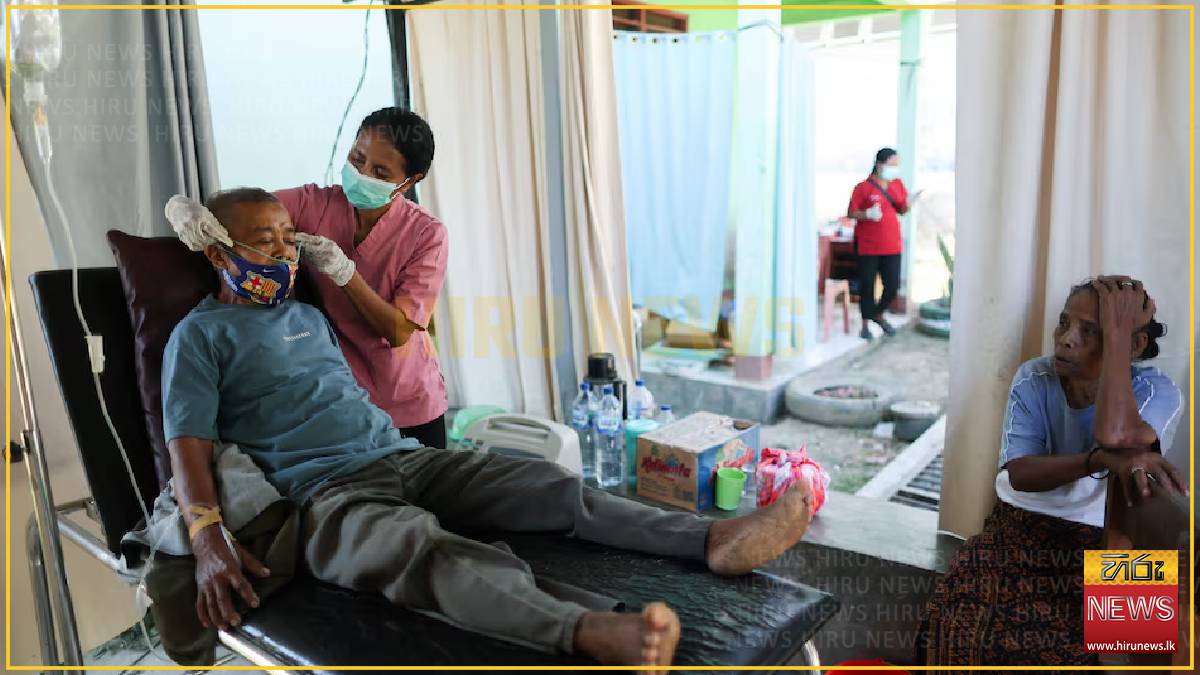
Search for Indonesia earthquake victims underway on Independence Day
Local
17 August 2026
Rain helps firefighters battle Belgium’s biggest wildfire
Local
17 August 2026

Productive investment lags private credit growth, says Monetary Policy Report
Local
17 August 2026

Revised VAT invoice format mandatory from 1 October
Local
17 August 2026

Sri Lanka better placed than 2022 to absorb oil shock
Local
17 August 2026