




Share Post


Sri Lanka’s foreign currency long-term issuer rating and senior unsecured rating remain unchanged at Caa1, backed by a stable outlook.
Moody’s Ratings announced the decision yesterday (24), pointing to a balance between macro-stabilisation achievements and persistent fiscal weaknesses.
Weak debt affordability along with a substantial total national debt load continue to constrain the country’s sovereign profile.
External vulnerability stays high due to modest foreign exchange reserves, even though post-crisis debt restructuring provided needed breathing room and boosted reserve levels.
Reforms under the International Monetary Fund framework raised state revenue and produced consecutive primary surpluses, yet heavy interest payments consume a huge share of intake.
Longer-term economic growth faces structural bottlenecks, such as social pressures, a drain of skilled labour, and sluggish private investment.
Projections put 2026 government debt near 95% of GDP and above 580% of revenue, with interest costs taking over 40% of collections.
Near-term external debt obligations remain far larger than available foreign reserves.
Downside exposure includes Middle East regional conflicts affecting oil and tourism, alongside physical climate threats to output.
Potential upgrades depend on accelerated fiscal consolidation, while policy rollbacks or reserve depletion could spark downgrades.
Moody’s Ratings announced the decision yesterday (24), pointing to a balance between macro-stabilisation achievements and persistent fiscal weaknesses.
Weak debt affordability along with a substantial total national debt load continue to constrain the country’s sovereign profile.
External vulnerability stays high due to modest foreign exchange reserves, even though post-crisis debt restructuring provided needed breathing room and boosted reserve levels.
Reforms under the International Monetary Fund framework raised state revenue and produced consecutive primary surpluses, yet heavy interest payments consume a huge share of intake.
Longer-term economic growth faces structural bottlenecks, such as social pressures, a drain of skilled labour, and sluggish private investment.
Projections put 2026 government debt near 95% of GDP and above 580% of revenue, with interest costs taking over 40% of collections.
Near-term external debt obligations remain far larger than available foreign reserves.
Downside exposure includes Middle East regional conflicts affecting oil and tourism, alongside physical climate threats to output.
Potential upgrades depend on accelerated fiscal consolidation, while policy rollbacks or reserve depletion could spark downgrades.
Latest News
Police launch email hotline to report obscene social media content
Local
28 August 2026

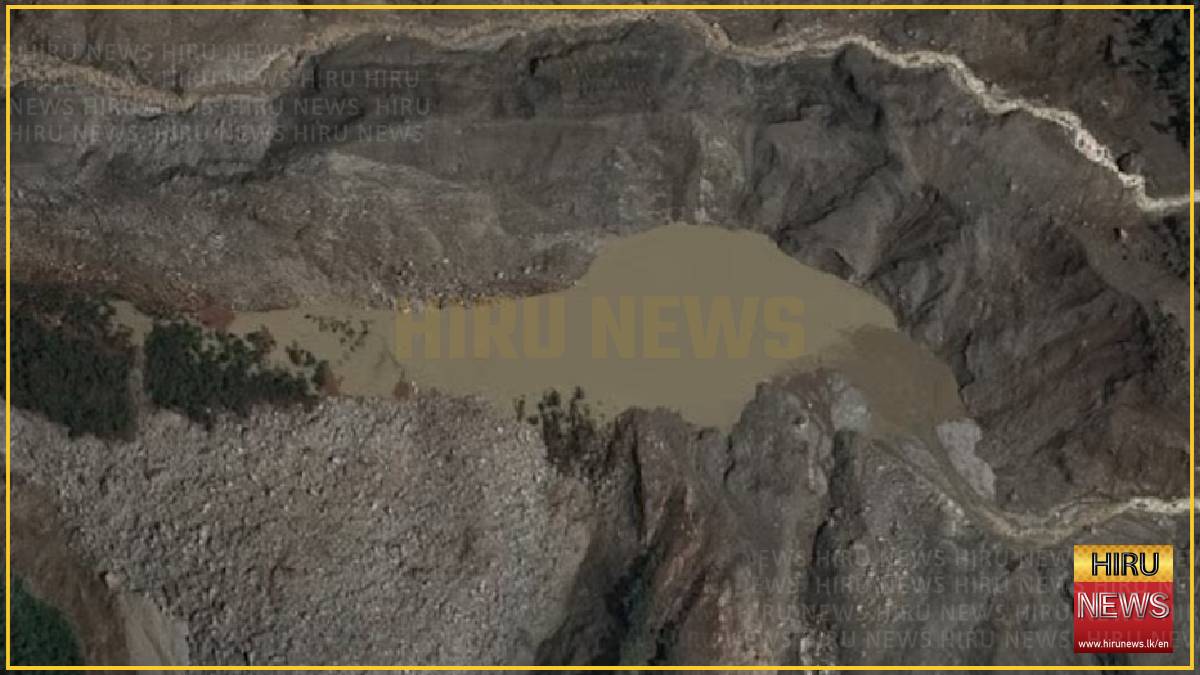
Nepal on alert as two lakes pose continued flood threat
Local
28 August 2026
New machinery boosts operational capacity at Lanka Phosphate
Local
28 August 2026

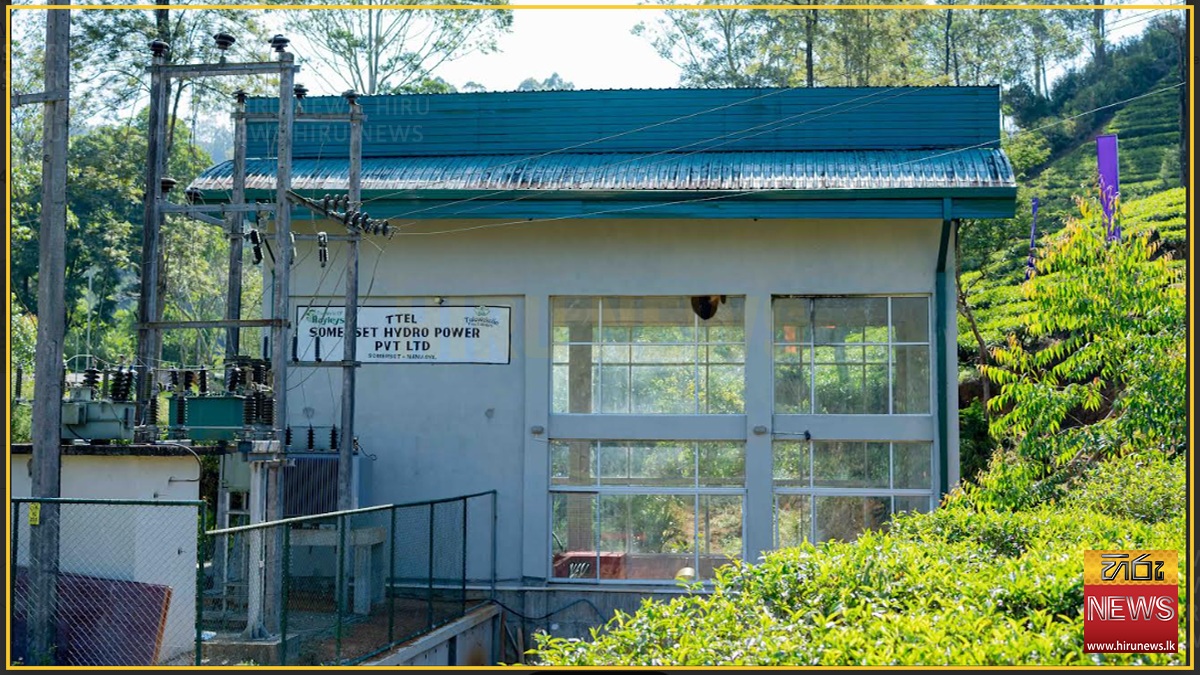
Coca-Cola-backed hydro-powered recycling centre sets new benchmark in SL
Local
28 August 2026
Screenline secures ISO certification for Kandy manufacturing facility
Local
28 August 2026

CSE gains marginally after two-day holiday
Local
28 August 2026

Notices issued to 20 prison officers over Negombo prison clash
Local
28 August 2026

Uganda’s King Oyo Nyimba dies aged 34
Local
28 August 2026

Youth granted bail in obscene content case
Local
28 August 2026

Cheese name dispute stalls US-Mexico trade talks
Local
28 August 2026