Share Post


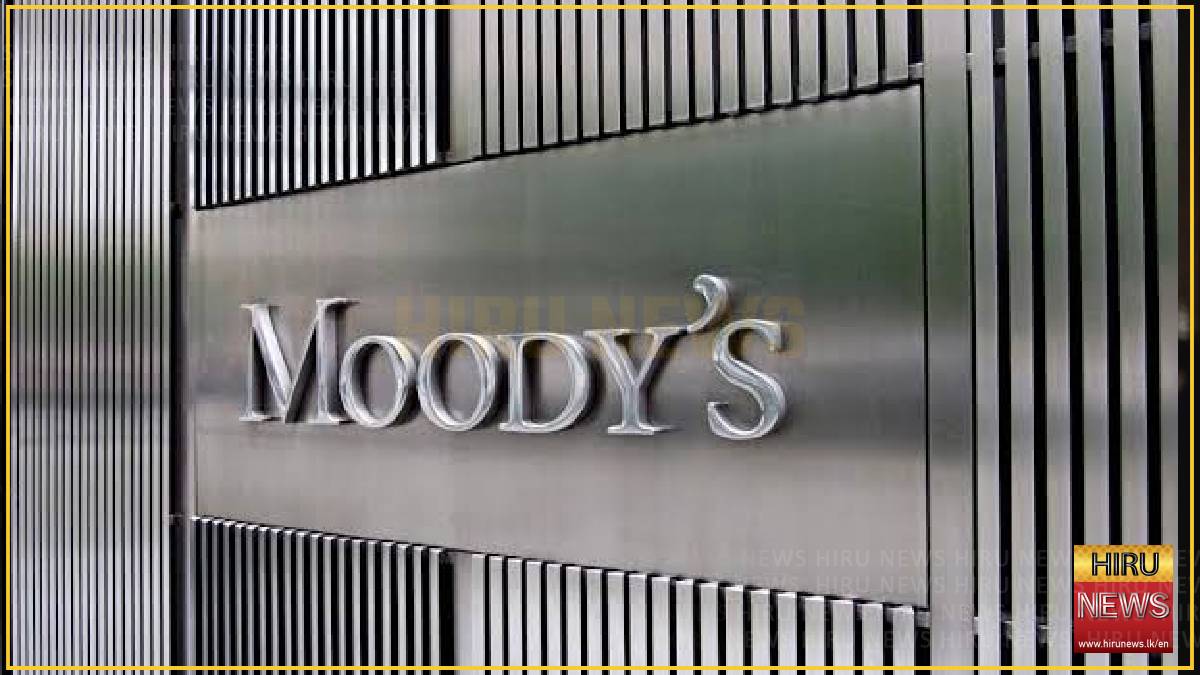
Sri Lanka’s foreign currency long-term issuer rating and senior unsecured rating remain unchanged at Caa1, backed by a stable outlook.
Moody’s Ratings announced the decision yesterday (24), pointing to a balance between macro-stabilisation achievements and persistent fiscal weaknesses.
Weak debt affordability along with a substantial total national debt load continue to constrain the country’s sovereign profile.
External vulnerability stays high due to modest foreign exchange reserves, even though post-crisis debt restructuring provided needed breathing room and boosted reserve levels.
Reforms under the International Monetary Fund framework raised state revenue and produced consecutive primary surpluses, yet heavy interest payments consume a huge share of intake.
Longer-term economic growth faces structural bottlenecks, such as social pressures, a drain of skilled labour, and sluggish private investment.
Projections put 2026 government debt near 95% of GDP and above 580% of revenue, with interest costs taking over 40% of collections.
Near-term external debt obligations remain far larger than available foreign reserves.
Downside exposure includes Middle East regional conflicts affecting oil and tourism, alongside physical climate threats to output.
Potential upgrades depend on accelerated fiscal consolidation, while policy rollbacks or reserve depletion could spark downgrades.
Moody’s Ratings announced the decision yesterday (24), pointing to a balance between macro-stabilisation achievements and persistent fiscal weaknesses.
Weak debt affordability along with a substantial total national debt load continue to constrain the country’s sovereign profile.
External vulnerability stays high due to modest foreign exchange reserves, even though post-crisis debt restructuring provided needed breathing room and boosted reserve levels.
Reforms under the International Monetary Fund framework raised state revenue and produced consecutive primary surpluses, yet heavy interest payments consume a huge share of intake.
Longer-term economic growth faces structural bottlenecks, such as social pressures, a drain of skilled labour, and sluggish private investment.
Projections put 2026 government debt near 95% of GDP and above 580% of revenue, with interest costs taking over 40% of collections.
Near-term external debt obligations remain far larger than available foreign reserves.
Downside exposure includes Middle East regional conflicts affecting oil and tourism, alongside physical climate threats to output.
Potential upgrades depend on accelerated fiscal consolidation, while policy rollbacks or reserve depletion could spark downgrades.
Latest News
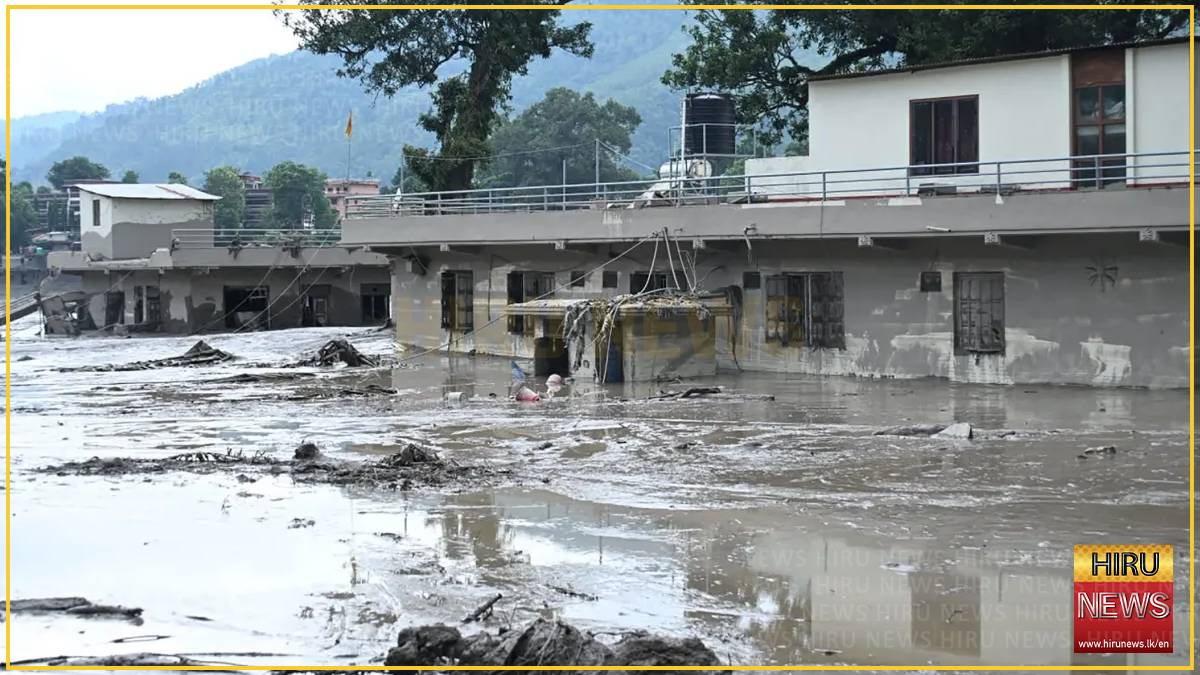
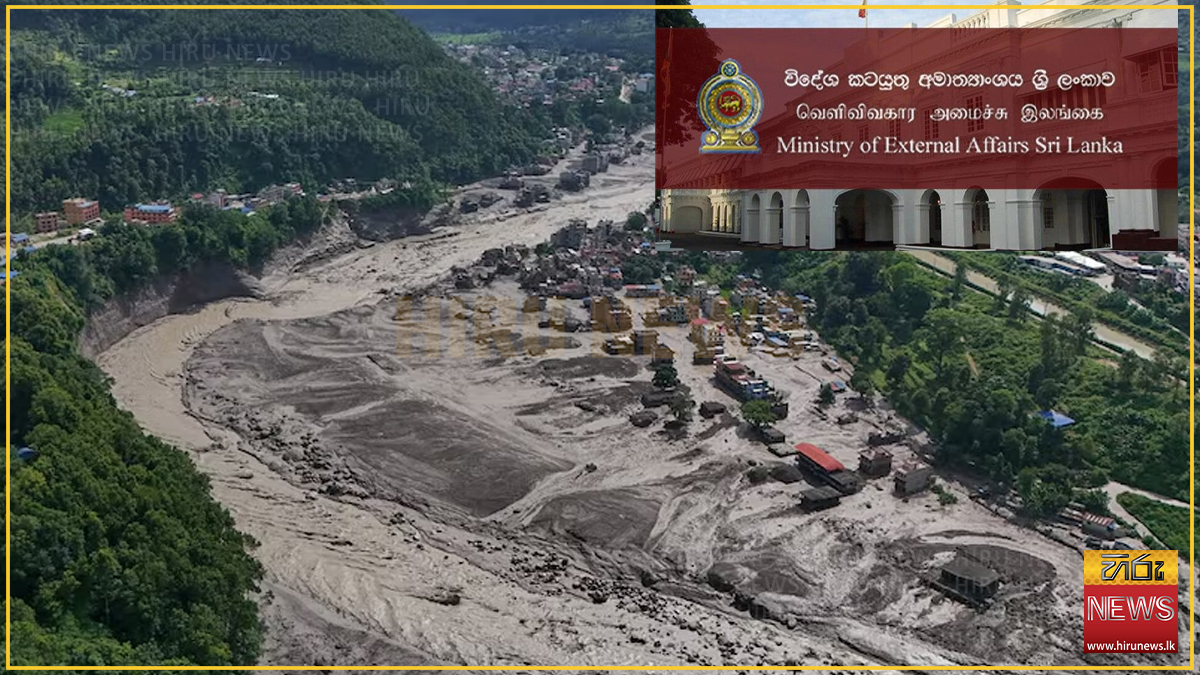
Nepal floods deathtoll hits 98
Local
26 August 2026
Meta Settles Child Harm Claims for Up to $16.68 Billion
Local
26 August 2026

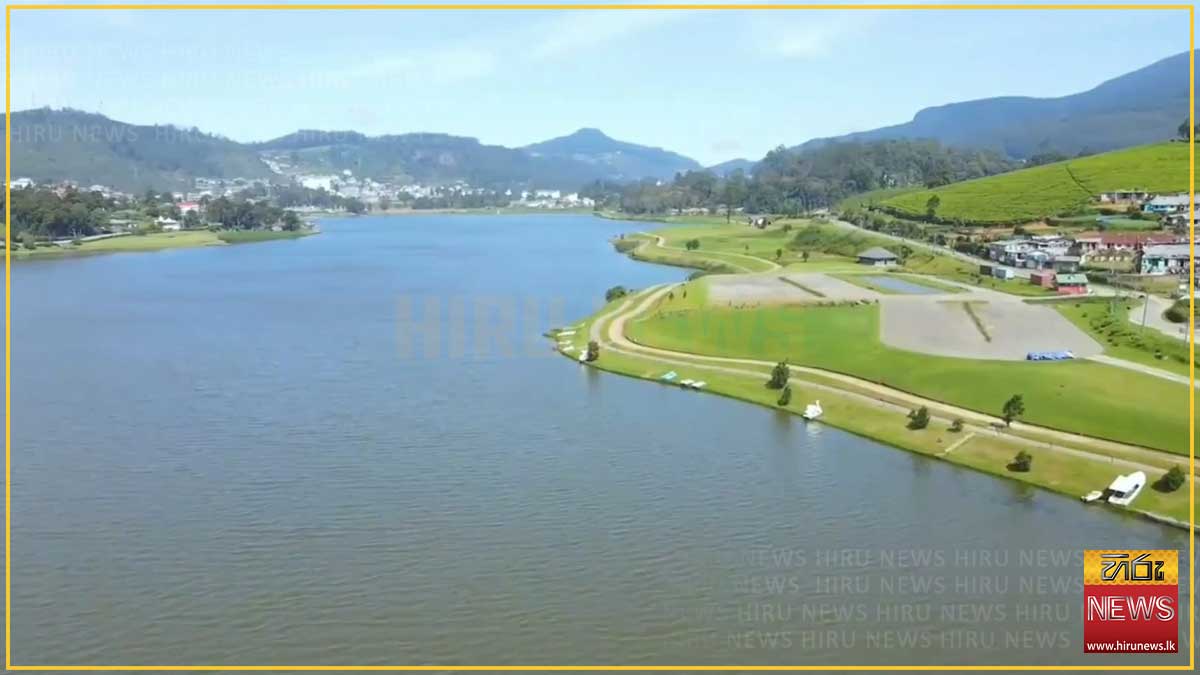
Lake Gregory severely polluted, CEA warns of health risk
Local
26 August 2026
Rumesh Tharanga back on top of global javelin rankings
Local
26 August 2026

Deadly Nepal flash flood Kills 31, hundreds missing
Local
26 August 2026
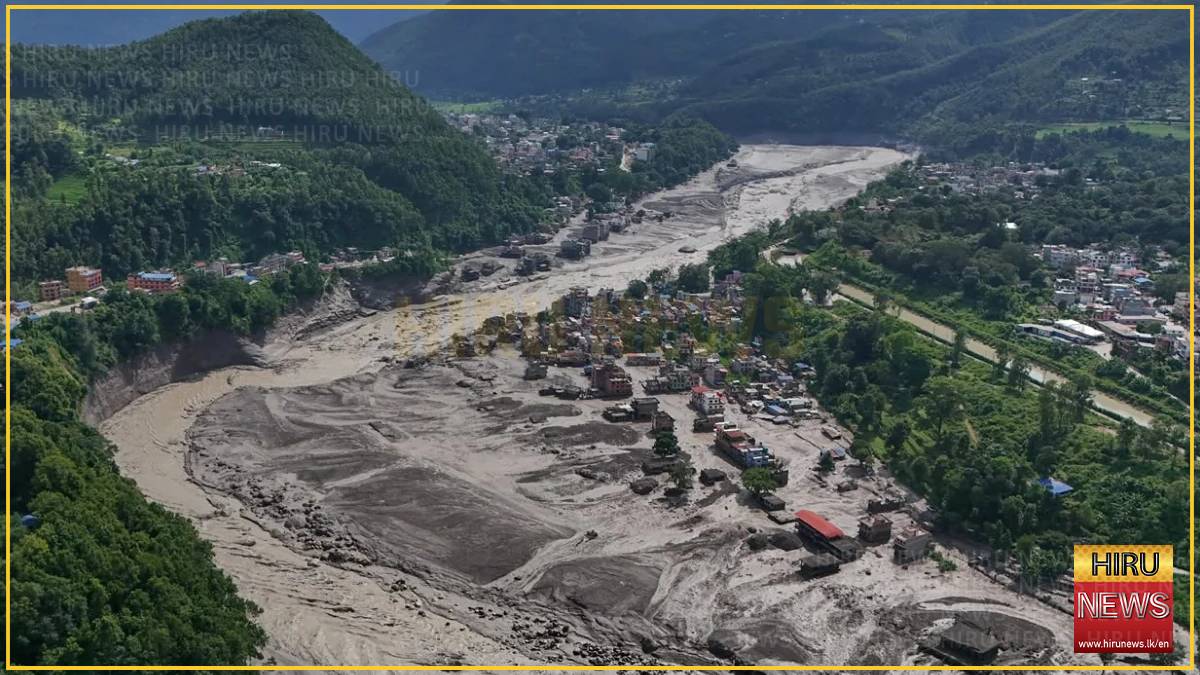
No Sri Lankans reported affected by Nepal floods
Local
26 August 2026
New prison coordination system launched to strengthen emergency response
Local
26 August 2026

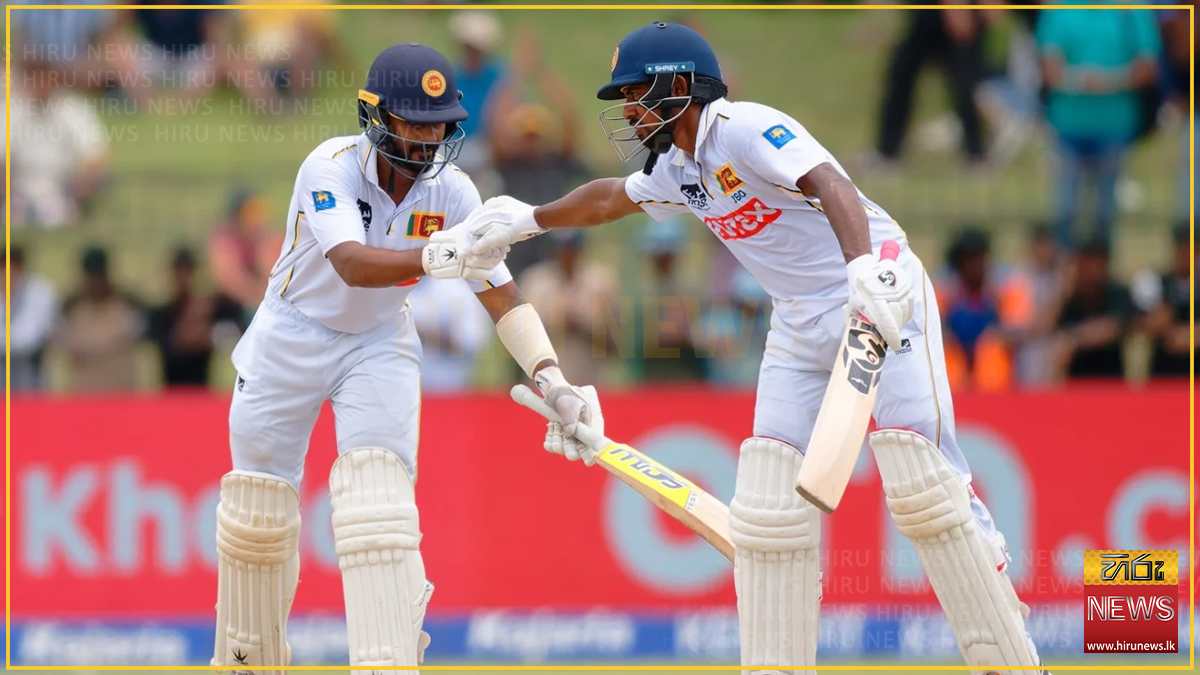
Sri Lanka fight back to lead India by 16 runs on day four
Local
26 August 2026
Sri Lanka’s economy nears pre-crisis level: CBSL Governor
Local
26 August 2026

Kehelbaddara Padme transferred to Boossa prison
Local
26 August 2026