






10 45 am: Counting of votes for the Tamil Nadu Assembly elections will begin at 8 am today, with results expected to emerge throughout the day. After weeks of intense campaigning and strong voter participation, attention now shifts to counting day, when early trends, leads and final outcomes will indicate the state’s political direction over the coming years.
The election was held in a single phase on April 23 across all 234 constituencies, with turnout exceeding 84.80 per cent, among the highest in the state’s electoral history. The strong participation has added an element of uncertainty, particularly in closely contested seats where even small shifts in vote share could influence outcomes.
Early trends are expected within the first few hours of counting, while clearer leads and possible majority patterns may emerge by late morning or early afternoon.
The counting process will follow a structured and closely monitored sequence. Postal ballots will be taken up first, followed by votes recorded in Electronic Voting Machines. Counting will proceed in multiple rounds for each constituency, with updates released after every round. Returning officers will declare final results once all rounds are completed and verified. Security remains tight at counting centres, with restricted access and continuous surveillance of strong rooms to ensure transparency and smooth conduct.
The contest in Tamil Nadu has largely been shaped by a three-cornered battle between the ruling Dravida Munnetra Kazhagam (DMK), the opposition All India Anna Dravida Munnetra Kazhagam (AIADMK) and the newly formed Tamilaga Vettri Kazhagam (TVK).
The DMK, led by Chief Minister MK Stalin, is seeking a second consecutive term based on its governance record and welfare programmes. The AIADMK, led by Edappadi K Palaniswami, is aiming for a comeback, while TVK, led by actor-politician Vijay, has emerged as a significant new entrant, particularly among younger and urban voters.
The entry of TVK has added complexity to the contest, with analysts suggesting that even limited seat gains could have a wider impact by redistributing votes across constituencies. In a state historically dominated by two major Dravidian parties, the presence of a third force has introduced a new layer of unpredictability, making outcomes harder to forecast. (www.timesofindia.indiatimes.com)
Latest News
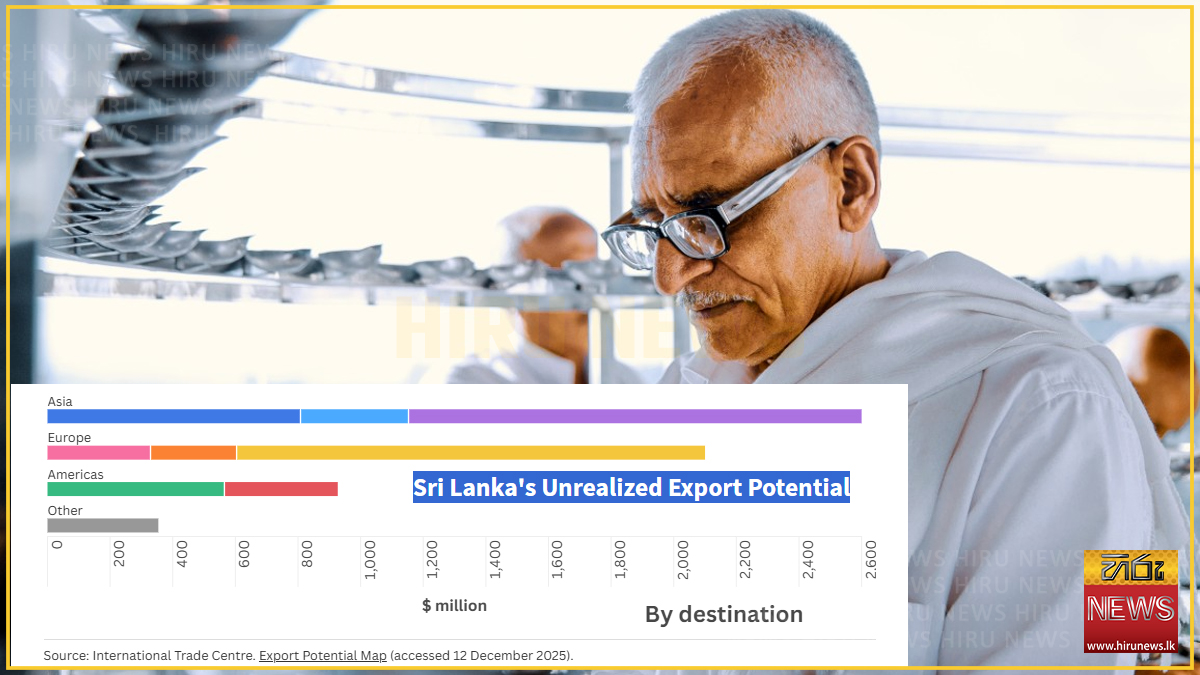
Sri Lanka’s USD 800mn opportunity next door
Petroleum Dealers’ Assn. seeks review of fuel pricing formula and margin structure
Sir Alex Ferguson taken to hospital as precaution

ADB launches initiative to build Asia’s critical minerals supply chains

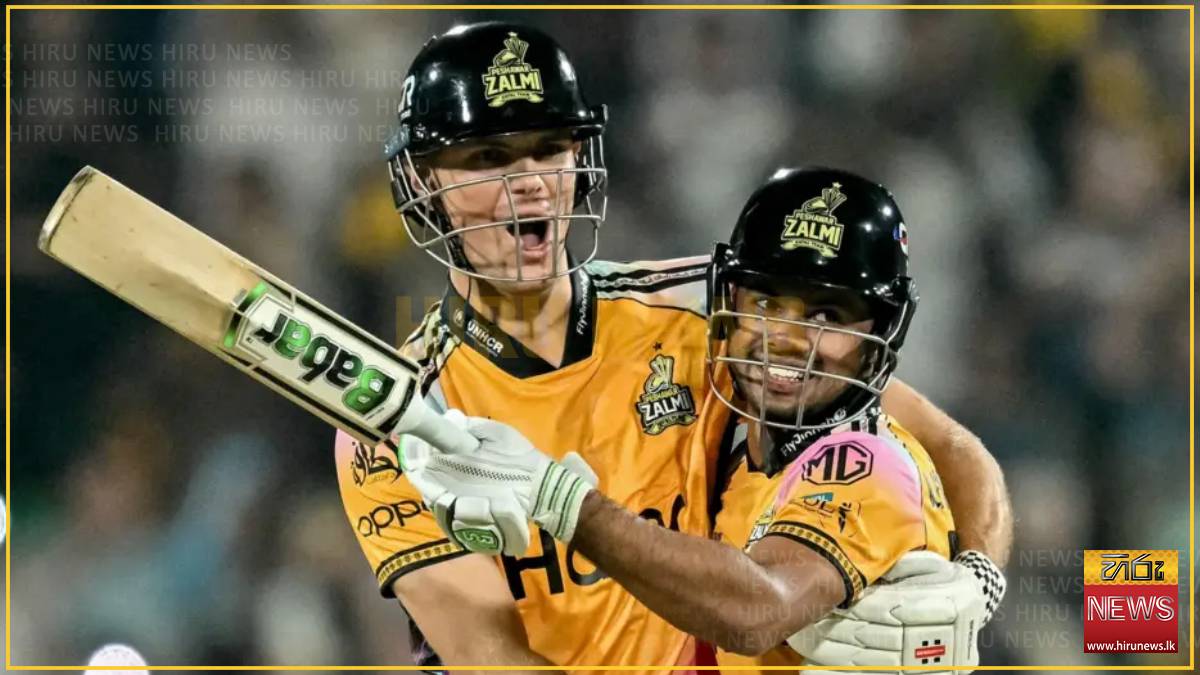
Peshawar win PSL final
Vijay’s TVK surges ahead of AIADMK in trends; Stalin’s DMK slips to third
Vijay’s TVK surges ahead of Dravidian giants

Inter clinch 21st Serie A title

Farmers' union leader arrives at CID over land allegations
Barca eye historic El Clasico title triumph