





FEATURE
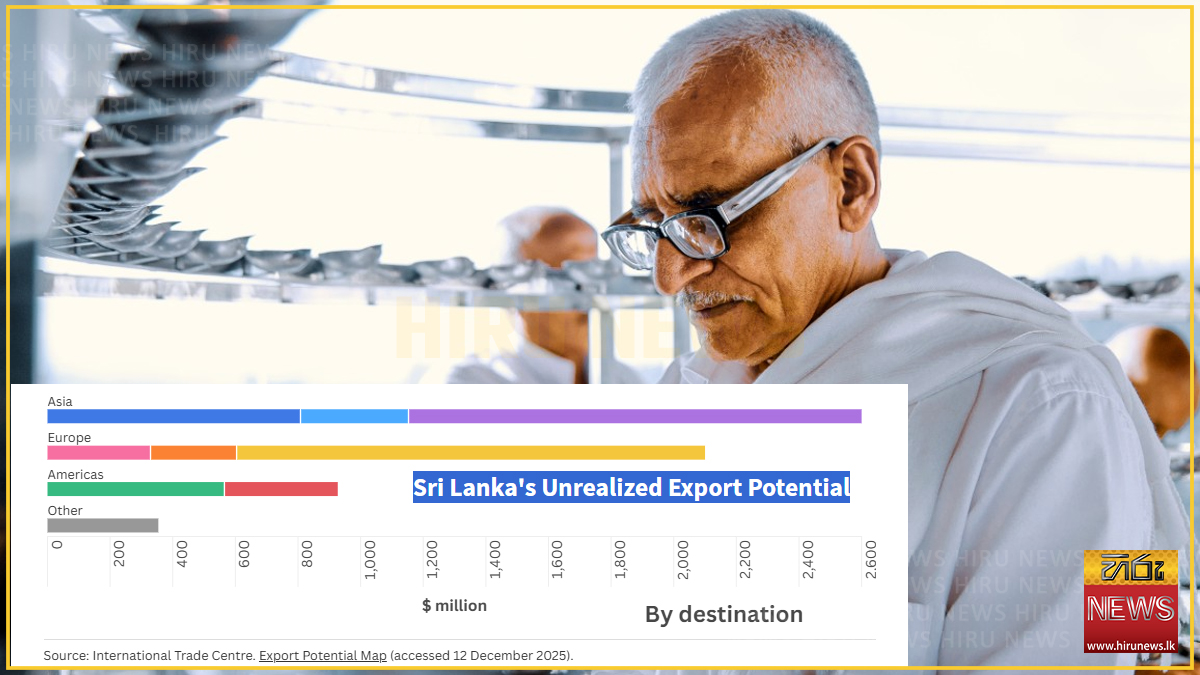
From 2015 to 2024, Sri Lanka’s nominal exports grew by just 16%, underperforming regional peers such as Cambodia, India, and Pakistan and contributing to persistent trade deficits, adding pressure on the country’s currency, and limiting foreign reserve accumulation.
These challenges are set to intensify as debt repayments accelerate. Beyond macroeconomic stability, exports drive productivity and create high-quality jobs.
Sri Lanka’s exports remain concentrated in a few sectors: textiles and garments, tea, and rubber products. Overseas sales are also concentrated across destinations, with the United States, the European Union, and United Kingdom absorbing over half. This exposes the country to sector- and market-specific shocks, as seen during the COVID-19 pandemic, when garment exports plummeted.
India is Sri Lanka’s third-largest export market and second-largest import source, yet the potential for deeper trade remains huge.
Sri Lanka has about $6 billion in unrealized export potential globally, with about $800 million of that with India alone. If fully tapped, Sri Lanka’s exports could rise by almost 50%, with India representing the single largest opportunity.
India’s rapid growth and increasing integration into global value chains amplify this opportunity. India has become the world’s fourth-largest economy, with gross domestic product growth averaging 7.8% between 2022 and 2024—more than double the global average. South India, particularly Tamil Nadu, is at the forefront of this industrial surge.
Sri Lanka’s proximity, skilled workforce, and strong port logistics mean it is well-positioned to supply intermediate goods and services to India’s expanding industrial sector.
So, what’s holding back this trade opportunity?
Despite geographic proximity and longstanding ties, Sri Lanka’s exports to India remain below potential due to several hurdles. First, the Indo–Sri Lanka Free Trade Agreement (ISFTA), in force since 2000, excludes many products from duty-free access.
Notably, despite the agreement, Sri Lanka’s exports to India still face restrictive tariff-rate quotas, which constrain key exports like garments, pepper, and tea. Both countries also maintain significant nontariff barriers, such as technical standards, certification requirements, and various taxes and charges applied in addition to customs duties, known as para-tariffs.
Also, just 60% of Sri Lanka’s exports to India benefit from ISFTA preference. Strict rules of origin that decide whether a product is considered made in Sri Lanka often make it hard to qualify for preferential tariffs.
For example, blending Sri Lankan tea with Indian tea can affect its eligibility for ISFTA tariff benefits. Finally, delays in digitalizing and streamlining export procedures keep transaction costs and clearance times high.
To realize the full trade potential with India, Sri Lanka should focus on a few key reforms:
Upgrade the ISFTA. Expanding the agreement to cover more products, but also services and investment, could unlock synergies in industry, IT, tourism, logistics, and business services. Relaxing tariff-rate quotas and simplifying rules of origin would ease trade. Making the dispute resolution mechanism easier to access and more predictable would raise business confidence.
Phase out para-tariffs. Removing para-tariffs would lower costs for Sri Lanka’s consumers and firms relying on imported inputs, boosting competitiveness and integration into regional value chains.
Launch the trade national single window. Accelerating the development of an online portal to centralize all import and export documentation is key to cutting compliance costs and delays from dealing with multiple government agencies.
Expand mutual recognition of standards. Broader mutual recognition of product certification and harmonized product standards would cut compliance costs and facilitate trade, especially in regulated sectors like food, beverages, and pharmaceuticals.
Promote high-potential sectors. Targeted export promotion in high-potential products—such as spices, jewelry, apparel, and tea—can deliver quick wins. Partnerships with Indian distributors and retailers, as well as investments in digital marketing, can help Sri Lankan firms break into the Indian market.
Sri Lanka has critical cards in hand to unlock trade with India: its strategic location, skilled workforce, and existing trade agreement. Upgrading the ISFTA, removing nontariff barriers, and investing in trade facilitation are essential to realize this potential. With the right reforms, Sri Lanka can diversify its exports, create better jobs, and build a more resilient and prosperous future.
This blog is based on the ADB Brief Unlocking Sri Lanka’s Trade with India by Dinuk de Silva, Jules Hugot, and Chethana Ranatunga.
Latest News
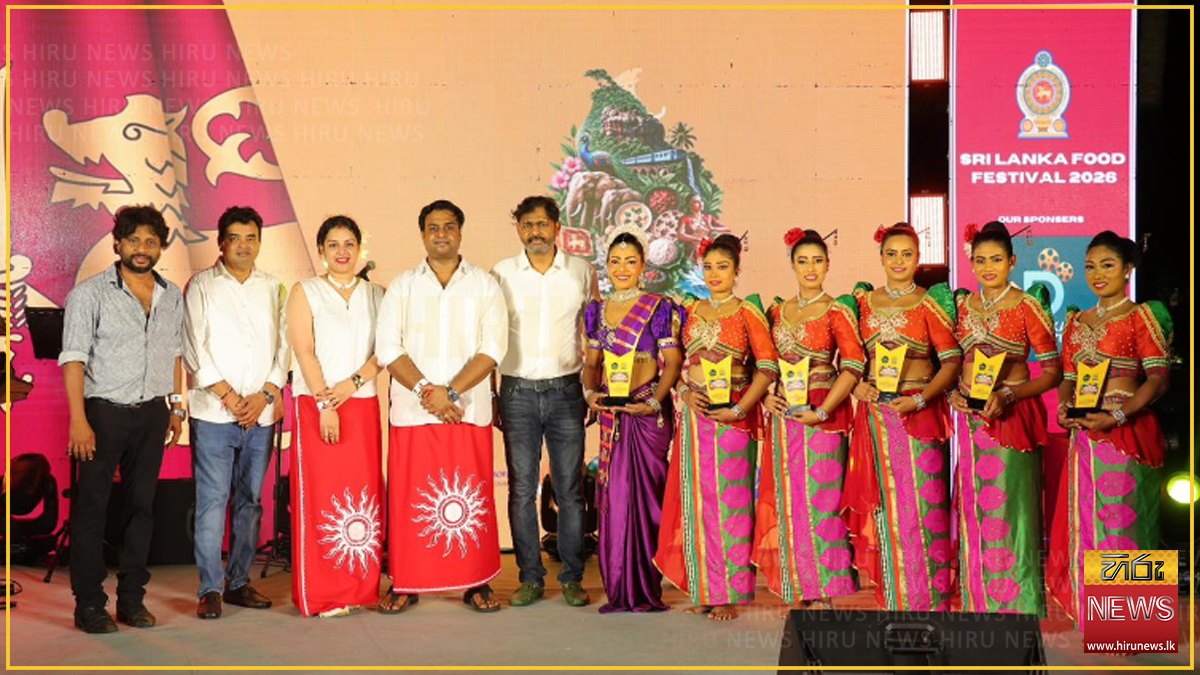
South Indian film stars attend first Sri Lanka Food Festival in Chennai to promote tourism
Man dies following physical dispute between friends

Sri Lanka’s USD 800mn opportunity next door
Two youths dead after high-speed motorcycle crash

Petroleum Dealers’ Assn. seeks review of fuel pricing formula and margin structure
Sir Alex Ferguson taken to hospital as precaution

ADB launches initiative to build Asia’s critical minerals supply chains
Peshawar win PSL final

Vijay’s TVK surges ahead of AIADMK in trends; Stalin’s DMK slips to third

Vijay’s TVK surges ahead of Dravidian giants