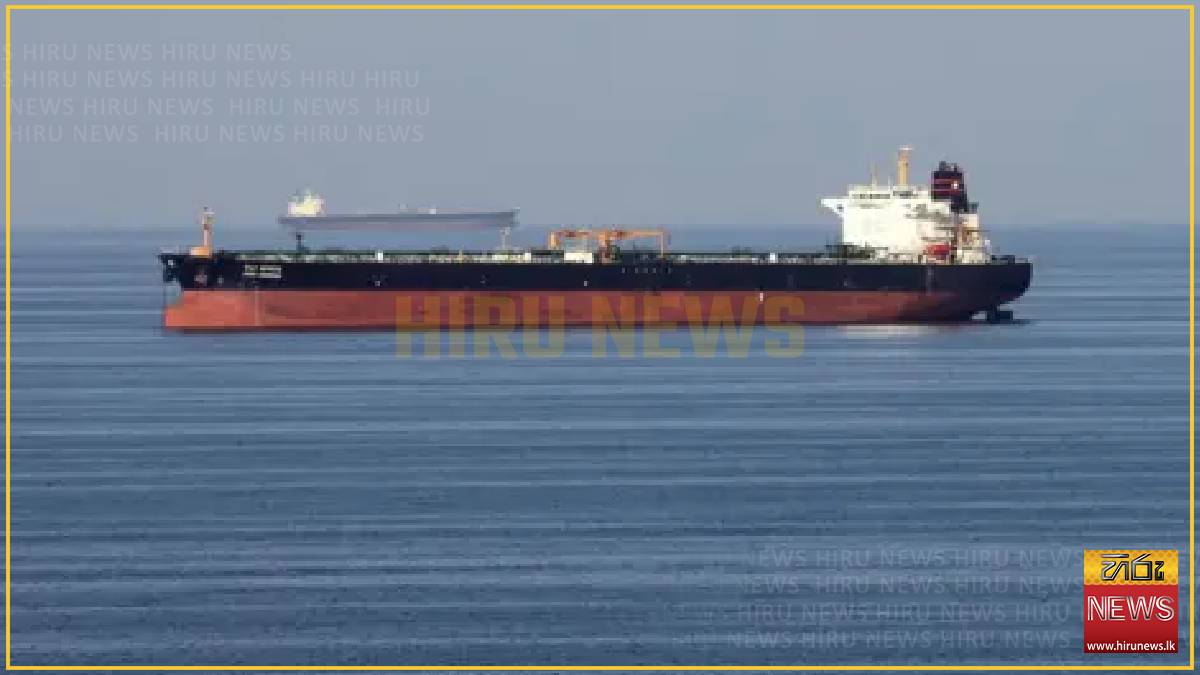


A 60-day ceasefire extension signed by both parties set to reopen the critical Strait of Hormuz, though the core dispute over nuclear weapons remains unresolved on the negotiating table. Analysts describe the breakthrough primarily as an oil agreement aimed at restoring maritime trade rather than a diplomatic triumph for either Washington or Tehran. The formal signing ceremony will take place in Switzerland on Friday, triggering the reopening of the shipping lane and the liberation of Iranian ports by the United States Navy. However, the exact terms remain classified, leading to conflicting interpretations from both sides.
Disagreements already emerged regarding billions of dollars in frozen Iranian assets. Officials in Tehran claim the framework grants immediate access to 24 billion dollars, with 12 billion dollars released before formal talks commence. Vice President JD Vance strongly denied these reports, stating claims of immediate asset unfreezing were false, though he admitted discussions on the matter remained possible. President Donald Trump clarified that any future sanctions relief depended entirely on Iranian compliance, with the full text of the agreement scheduled for public release shortly.
The logistical recovery of global energy corridors faces significant delays despite the political breakthrough. Shipping lines, insurers, and energy traders refuse to rely on headlines alone, waiting instead for verified safe shipping corridors to form. Mine clearance operations continue past Friday, and insurers hesitate to lower high war-risk premiums until commercial traffic stabilises. Experts estimate that energy flows through the strait will not reach 80% of pre-war volumes until September, with a complete return to normal taking even longer.
The durability of the deal faces an immediate threat from ongoing hostilities in Lebanon. While Iranian officials and regional mediators view the ceasefire as inclusive of an end to Israeli military operations, Israel remains outside the pact. Hours prior to the announcement, Israeli aircraft struck targets in Beirut, and Prime Minister Benjamin Netanyahu later asserted that his forces would remain in Lebanon, Gaza, and Syria for as long as necessary. This stance leaves the fragile US-Iran agreement vulnerable to collapse if regional combat intensifies.
-Oilprices.com
Latest News
Iran rally twice to frustrate New Zealand at WC

Crude prices stabilize despite Hormuz shock
Rumesh Tharanga to compete in Czech Republic today

6.7 magnitude strikes Sulawesi islands

Manufacturing, services record growth while employment contracts

Yemen’s “Spider-Man” adventurer dies in volcano fall

All ATM withdrawals to be free from July 1 IN KL

CID officers to be questioned over Sallay torture complaint

War ends in oil deal, but no side wins
Bonnie Tyler out of coma but 'very unwell'