



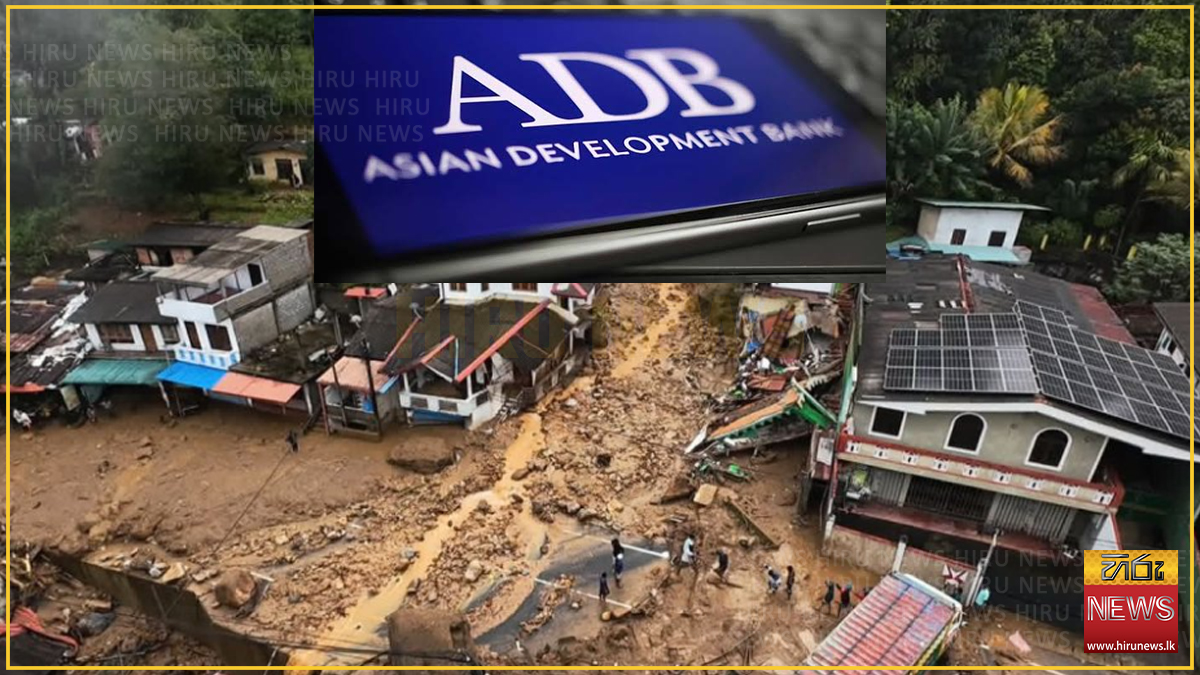


COLOMBO, SRI LANKA (1 July 2026) — The Asian Development Bank (ADB) has approved a $200 million emergency assistance package for Sri Lanka’s recovery and reconstruction following Cyclone Ditwah.
The package comprises a $100 million regular loan and a $100 million concessional loan from ADB’s ordinary capital resources, and a $500,000 technical assistance grant to help strengthen project implementation, readiness, and quality assurance.
The Post-Cyclone Ditwah Reconstruction and Livelihood Support Project will finance priority investments to rehabilitate damaged road and irrigation infrastructure, restore the livelihoods of affected smallholder farmers, and support the reconstruction of severely damaged or destroyed houses. The project applies build-back-better principles to strengthen resilience to future disasters.
“Cyclone Ditwah caused widespread damage to infrastructure, housing, and livelihoods across Sri Lanka, placing additional strain on communities already facing significant economic challenges,” said ADB Country Director for Sri Lanka Shannon Cowlin. “This emergency assistance will help restore essential services, support affected households and farmers, and rebuild infrastructure to higher, climate-resilient standards.”
Cyclone Ditwah made landfall in Sri Lanka on 28 November 2025, bringing intense rainfall, flooding, and landslides that caused widespread damage across 22 districts and disrupted transport networks, irrigation systems, housing, and rural livelihoods.
The project will support the rehabilitation and climate-resilient reconstruction of priority national and rural roads damaged by the cyclone. This includes slope stabilization, drainage improvements, and repairs to carriageways and minor structures. These investments will restore safer, more reliable access to markets, services, and employment while reducing vulnerability to extreme weather events.
The project will also finance the rehabilitation of damaged irrigation infrastructure, including tanks, canals, and associated water management structures, and will strengthen dam safety planning. By restoring irrigation functionality and improving resilience, the project will help farmers resume agricultural production, support food security, and reduce exposure to future environmental shocks.
In addition, the project will provide targeted support to cyclone-affected households by building on the government’s recovery assistance programs for smallholder paddy farmers and owner-driven housing reconstruction. Livelihood assistance will help farmers restore inputs and resume production, while owner-driven housing support will be provided through staged grants based on verified construction progress, enabling families to rebuild safely and with greater resilience.
The project will be implemented through government agencies responsible for transport, irrigation, agriculture, and disaster recovery, supported by project implementation consultants and regular ADB review missions.
Latest News
CSE explains the reason behind the trading delay

Wür Lanka receives Great Place to Work certification in Sri Lankath

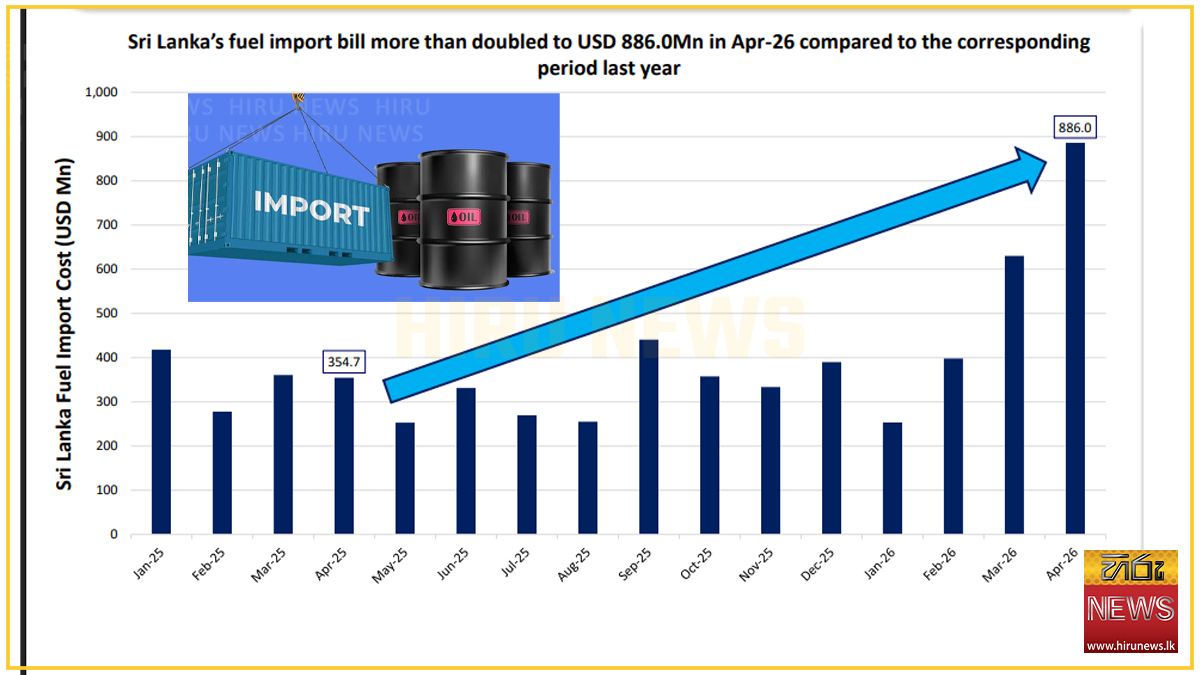
“Lanka’s fuel import bill surges, may rise further”
Thai Sumeda Enterprises wins Business of the Year 2026 Award

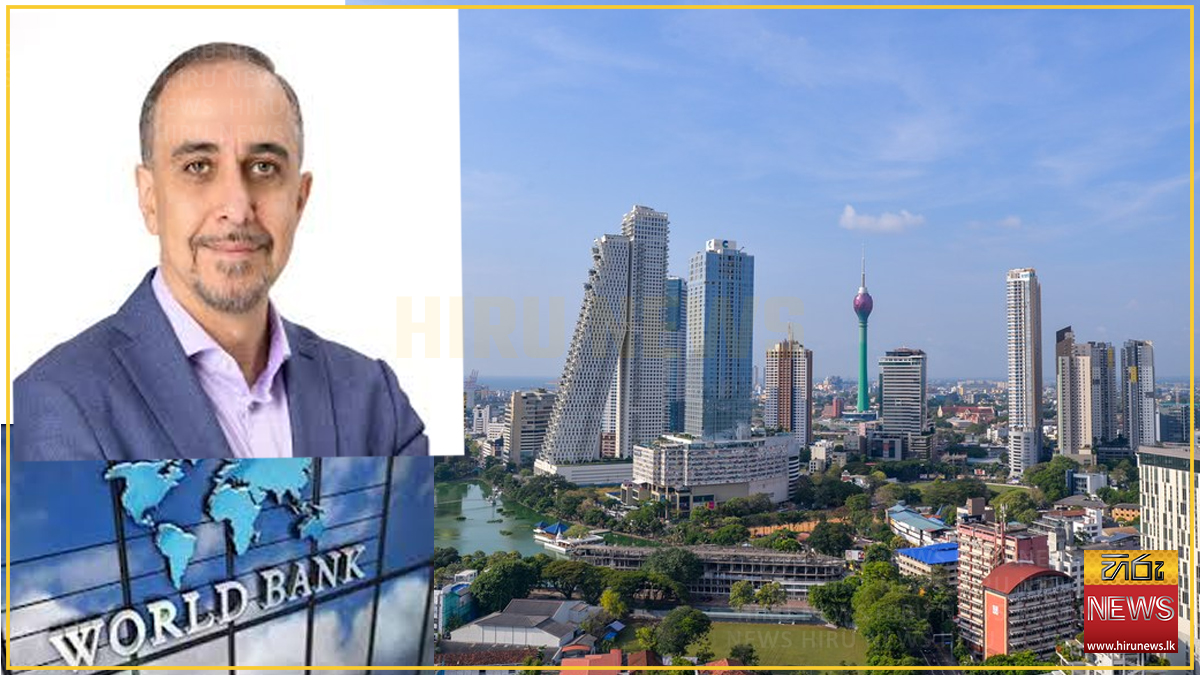
World Bank approves US$ 150mn to support Lanka’s reform agenda
Cumulative trade deficit widens in first five months

First Capital urges shift to safer short-term bonds

Qatar Airways resumes five daily Colombo flights from today

IIHS celebrates graduation of over 650 healthcare professionals

Sri Lankan rupee makes marginal gains against the USD