


Share Post


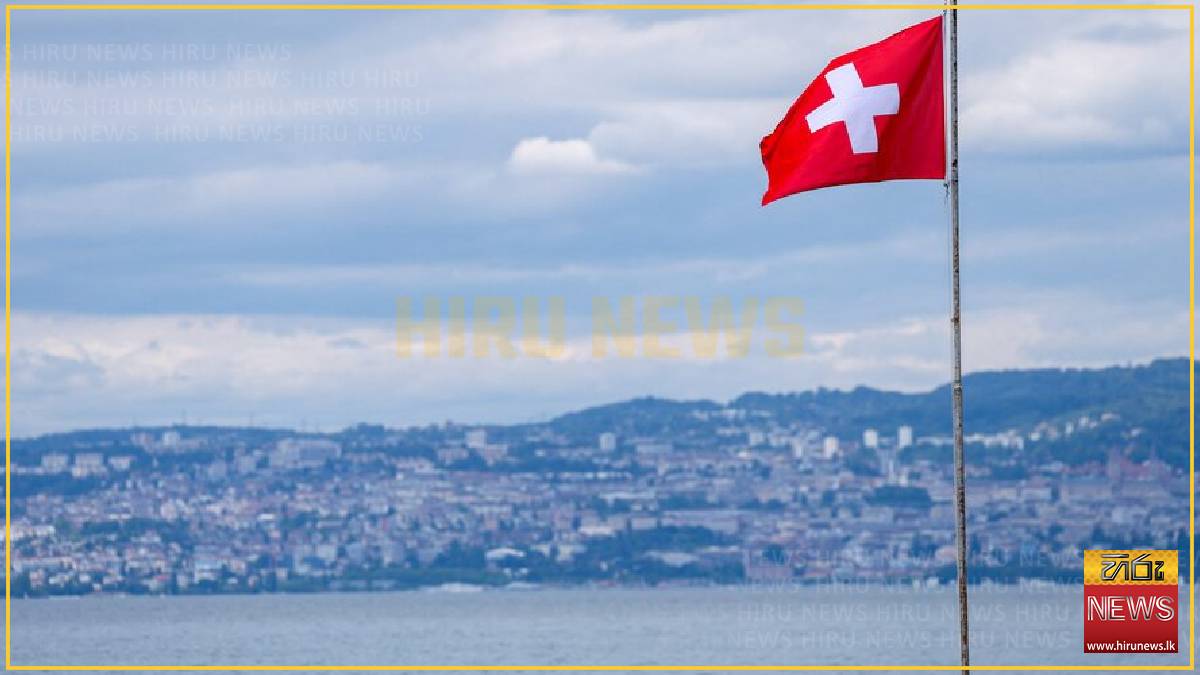
The Swiss government on Tuesday rejected a rigid interpretation of the country's neutrality which campaigners want to enshrine in the constitution if they win a referendum next month.
Campaigners say Swiss neutrality, which dates back to the end of the Napoleonic Wars, has been stretched after Bern imposed economic sanctions on Russia after its invasion of Ukraine and also sealed closer ties with NATO in areas such as training.
Currently, the Swiss constitution has no fixed definition of neutrality, which campaigners want to replace with a pledge that Swiss neutrality will be perpetual and armed, and that the country would not join any military alliances.
They also want to guarantee that Switzerland does not take part in conflicts between third countries or impose sanctions against warring countries unless decided by the United Nations.
Campaigners gathered more than 100,000 signatures to trigger the vote, which takes place under the Swiss tradition of direct democracy. If approved, the constitution would have to be amended.
The referendum, which is backed by the right-wing Swiss People's Party, will take place on September 27. In a Tamedia poll in June, only 34% of people were in favour of the initiative with 54% against.
Launching the government's campaign against the initiative, Swiss Foreign Minister Ignazio Cassis on Tuesday said there was no need to change the current approach with a more restrictive concept of neutrality.
"Switzerland has been and is neutral, and it will remain neutral," he said in a statement.
Cassis said the ideas proposed by the campaign were already met, with Swiss neutrality internationally recognised, and the country not a member of any military or defence alliances.
Instead, the proposed changes would reduce Switzerland's room to manoeuvre, he said, with Swiss cooperation only allowed with foreign powers if the country was either attacked or such an attack was being prepared.
"The initiative considerably restricts security policy cooperation," said Cassis, adding that such cooperation had to be prepared in advance.
"Anyone who waits until the crisis is already here before they are willing to cooperate is too late."
-Reuters
Campaigners say Swiss neutrality, which dates back to the end of the Napoleonic Wars, has been stretched after Bern imposed economic sanctions on Russia after its invasion of Ukraine and also sealed closer ties with NATO in areas such as training.
Currently, the Swiss constitution has no fixed definition of neutrality, which campaigners want to replace with a pledge that Swiss neutrality will be perpetual and armed, and that the country would not join any military alliances.
They also want to guarantee that Switzerland does not take part in conflicts between third countries or impose sanctions against warring countries unless decided by the United Nations.
Campaigners gathered more than 100,000 signatures to trigger the vote, which takes place under the Swiss tradition of direct democracy. If approved, the constitution would have to be amended.
The referendum, which is backed by the right-wing Swiss People's Party, will take place on September 27. In a Tamedia poll in June, only 34% of people were in favour of the initiative with 54% against.
Launching the government's campaign against the initiative, Swiss Foreign Minister Ignazio Cassis on Tuesday said there was no need to change the current approach with a more restrictive concept of neutrality.
"Switzerland has been and is neutral, and it will remain neutral," he said in a statement.
Cassis said the ideas proposed by the campaign were already met, with Swiss neutrality internationally recognised, and the country not a member of any military or defence alliances.
Instead, the proposed changes would reduce Switzerland's room to manoeuvre, he said, with Swiss cooperation only allowed with foreign powers if the country was either attacked or such an attack was being prepared.
"The initiative considerably restricts security policy cooperation," said Cassis, adding that such cooperation had to be prepared in advance.
"Anyone who waits until the crisis is already here before they are willing to cooperate is too late."
-Reuters
Latest News
Abhishek Porel arrested over physical allegations
Local
11 August 2026

Miss Polski 2026 grand final spotlights Sri Lanka
Local
11 August 2026

Lebanon’s president seeks to allay concerns over negotiations with Israel
Local
11 August 2026
Cabinet approves coal purchasing for Norochcholai power plant
Local
11 August 2026
Swiss government rejects rigid interpretation of neutrality ahead of referendum
Local
11 August 2026
Spain prepares for eclipse under shadow of wildfire risk
Local
11 August 2026
Russia using North Korean missiles to strike Ukraine, Zelensky says
Local
11 August 2026
President meets small and medium-scale rice mill owners
Local
11 August 2026
Suspect number 32 named in Negombo prison clash
Local
11 August 2026
Ousted Syrian president Bashar al-Assad sentenced to death in absentia
Local
11 August 2026