Share Post


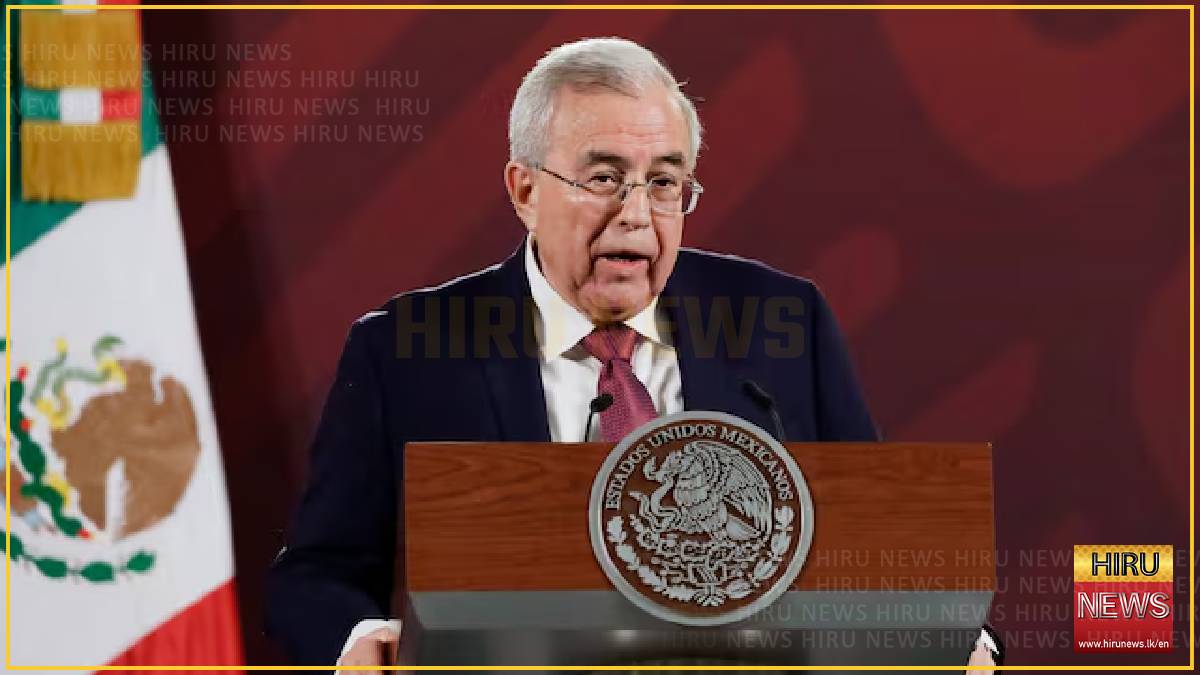
The governor of Mexico's Sinaloa state, Ruben Rocha Moya, returned to office on Friday after taking leave for more than three months following U.S. drug trafficking charges, a move likely to deepen strains between Mexico and the United States.
Rocha, 77, a member of Mexico's ruling Morena party, said in a statement posted on X that he was resuming his duties with a "clear conscience" and his "head held high."
The development marks a remarkable turnaround for Rocha, who has not only avoided, for now, extradition to the United States but has also reclaimed the governor's office.
His return adds a new twist to a saga that has tested U.S.-Mexico security cooperation and underscored the complexities in the bilateral relationship: despite years of joint efforts against cartels, Mexico remains deeply resistant to U.S. actions it sees as encroaching on its sovereignty.
The Mexican government is "more than happy to extradite druglords if the U.S. wishes, but they're not so eager to extradite members of the political party of their president," said Martin Castillo, a public policy expert at the University of Chicago.
But there were signs that Rocha's triumphant return to power was received coolly by Mexico's President Claudia Sheinbaum and the Morena party that she leads.
Rocha said Mexican authorities had found no evidence to support the accusations against him and described the U.S. case as a politically motivated attack on Sheinbaum's leftist movement.
Morena, however, issued a statement saying it had no prior knowledge of Rocha's decision and distancing itself from the move.
Mexico's interior ministry likewise said the decision was Rocha's alone, noting that the attorney general's office investigation into him and others accused by the U.S. is ongoing.
A spokesperson for the U.S. State Department did not answer questions about how it will respond to Rocha's return to power.
"The Sinaloa Cartel traffics deadly drugs to the United States and is a designated terrorist organization that could not operate without the help of corrupt officials," the spokesperson said.
RARE CHARGES AGAINST GOVERNOR
In April, U.S. prosecutors alleged Rocha and nine other current and former officials conspired with a faction of the Sinaloa Cartel known as Los Chapitos, helping it traffic drugs into the United States in exchange for political support and bribes.
The indictment marked a rare expansion of anti-cartel action beyond drug bosses to include a sitting senior Mexican politician. Washington has frequently accused Mexican politicians of having ties to organized crime, but Rocha is the first sitting governor to face charges by the U.S.
The accusations inflamed tensions between the countries, which are close allies. Even as Mexican authorities initiated their own investigation into Rocha in early May, Sheinbaum framed the case as foreign interference by the U.S. and used it to intensify her calls for national sovereignty.
Since then, Mexico has said Washington had not provided sufficient evidence to justify Rocha's arrest or extradition.
"It's difficult to imagine Rocha returning to office without President Sheinbaum's blessing. It's a sign that the government wants to reinforce its message that there is no evidence of collusion between Morena politicians and organized crime," said Antonio Ocaranza, a political consultant and former spokesperson for former Mexican President Ernesto Zedillo.
"The big question is how the U.S. government will react to this decision."
David Mora, a senior analyst for the International Crisis Group, said Rocha's return to power puts Sheinbaum in an "even more complicated position because now she's going to have to deal with more pressure coming from the U.S."
-Reuters
Rocha, 77, a member of Mexico's ruling Morena party, said in a statement posted on X that he was resuming his duties with a "clear conscience" and his "head held high."
The development marks a remarkable turnaround for Rocha, who has not only avoided, for now, extradition to the United States but has also reclaimed the governor's office.
His return adds a new twist to a saga that has tested U.S.-Mexico security cooperation and underscored the complexities in the bilateral relationship: despite years of joint efforts against cartels, Mexico remains deeply resistant to U.S. actions it sees as encroaching on its sovereignty.
The Mexican government is "more than happy to extradite druglords if the U.S. wishes, but they're not so eager to extradite members of the political party of their president," said Martin Castillo, a public policy expert at the University of Chicago.
But there were signs that Rocha's triumphant return to power was received coolly by Mexico's President Claudia Sheinbaum and the Morena party that she leads.
Rocha said Mexican authorities had found no evidence to support the accusations against him and described the U.S. case as a politically motivated attack on Sheinbaum's leftist movement.
Morena, however, issued a statement saying it had no prior knowledge of Rocha's decision and distancing itself from the move.
Mexico's interior ministry likewise said the decision was Rocha's alone, noting that the attorney general's office investigation into him and others accused by the U.S. is ongoing.
A spokesperson for the U.S. State Department did not answer questions about how it will respond to Rocha's return to power.
"The Sinaloa Cartel traffics deadly drugs to the United States and is a designated terrorist organization that could not operate without the help of corrupt officials," the spokesperson said.
RARE CHARGES AGAINST GOVERNOR
In April, U.S. prosecutors alleged Rocha and nine other current and former officials conspired with a faction of the Sinaloa Cartel known as Los Chapitos, helping it traffic drugs into the United States in exchange for political support and bribes.
The indictment marked a rare expansion of anti-cartel action beyond drug bosses to include a sitting senior Mexican politician. Washington has frequently accused Mexican politicians of having ties to organized crime, but Rocha is the first sitting governor to face charges by the U.S.
The accusations inflamed tensions between the countries, which are close allies. Even as Mexican authorities initiated their own investigation into Rocha in early May, Sheinbaum framed the case as foreign interference by the U.S. and used it to intensify her calls for national sovereignty.
Since then, Mexico has said Washington had not provided sufficient evidence to justify Rocha's arrest or extradition.
"It's difficult to imagine Rocha returning to office without President Sheinbaum's blessing. It's a sign that the government wants to reinforce its message that there is no evidence of collusion between Morena politicians and organized crime," said Antonio Ocaranza, a political consultant and former spokesperson for former Mexican President Ernesto Zedillo.
"The big question is how the U.S. government will react to this decision."
David Mora, a senior analyst for the International Crisis Group, said Rocha's return to power puts Sheinbaum in an "even more complicated position because now she's going to have to deal with more pressure coming from the U.S."
-Reuters
Latest News
Sri Lanka to host SEARIC summit 2026
Local
24 August 2026

India declares on 503 for 9 in Second Test against Sri Lanka
Local
24 August 2026
Sri Lanka Air Force establishes new CCTV operations room at Pettah bus station
Local
24 August 2026
Sri Lanka Air Force arrests suspect who stole passenger bag at Pettah bus station
Local
24 August 2026
MDF, Thema Collection explore way forward for Lanka’s wellness tourism
Local
24 August 2026

Private sector employees to receive online train season tickets from September
Local
24 August 2026

Surge launches apartment management platform with free lifetime access
Local
24 August 2026

Union Bank among Lanka’s Top 20 women-friendly workplaces
Local
24 August 2026

New renewable energy feed-in tariffs to take effect tomorrow
Local
24 August 2026

Zelenskyy says wartime elections could ‘destroy’ Ukraine
Local
24 August 2026